 Daily Pet Care Hub
Shiba Inu Breed Guide
By Pet Mama · Published 2025-12-07 · Updated 2026-08-31 · 3 min read
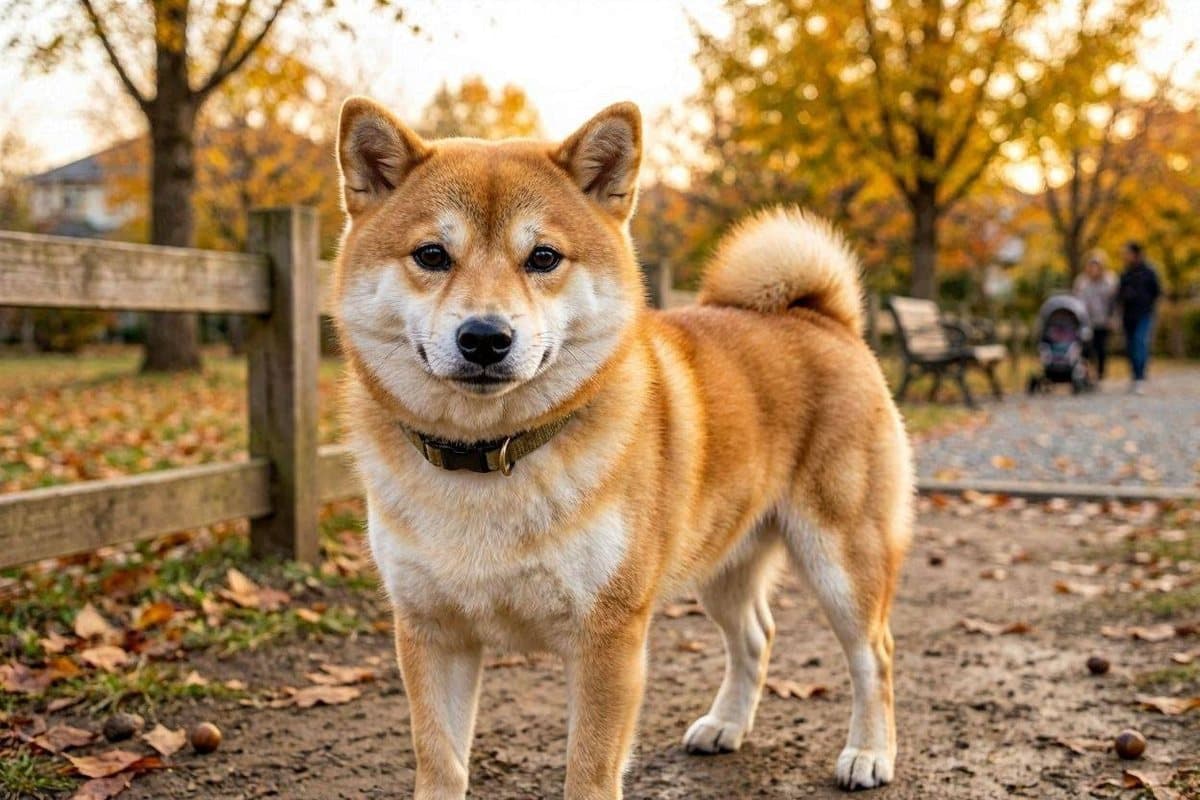
Shiba Inu at a glance
- Species
- Dog
- Size
- Small–Medium (17–23 lbs)
- Energy
- ●●●●●
- Shedding
- ●●●●●
- Grooming needs
- ●●●●●
- Apartment suitability
- ●●●●●
The Shiba Inu is Japan's fox-faced national treasure: clean, quiet, independent — the most cat-like dog in the dog park, with the self-esteem of a much larger animal.
Origin & History
The Shiba Inu is one of Japan's oldest and smallest native breeds, developed in mountainous terrain to flush small game like birds and rabbits for hunters navigating dense brush. "Shiba" is often translated as "brushwood," possibly referring either to the terrain the dog worked in or to the reddish color of dry brushwood that matches the breed's classic coat. The breed nearly went extinct after World War II due to distemper outbreaks and food shortages, and today's Shibas descend from a small number of surviving dogs from three regional bloodlines that were carefully combined to rebuild the breed. Japan designated the Shiba a Natural Monument in 1936, reflecting its status as a national treasure.
Temperament
Confident, composed, and famously independent. Shibas bond loyally but affection arrives on their schedule; they're naturally clean (self-grooming like cats, generally easy house training), quiet indoors, and reserved with strangers. The flip side is an opinionated streak that makes "come here" a lifelong negotiation rather than a guaranteed response.
The Off-Leash Rule
Shibas are escape artists with high prey drive and selective recall — the breed community's standing rule is never off-leash in unfenced areas, no matter how well-trained the dog seems. This isn't a temporary puppy-phase issue; it's a lifelong breed trait rooted in the same independent hunting instincts that made them effective at flushing small game. Secure fencing, double-checked gates, a microchip, and visible ID are always part of responsible Shiba ownership.
Exercise Needs
Moderate: daily walks with sniffing time plus play satisfy most Shibas. They adapt well to apartments — quiet, clean, and compact — provided walks actually happen and mental enrichment fills the fox brain, which gets bored and mischievous without an outlet.
Training Notes
Smart, fast learners who then evaluate whether compliance actually suits them in the moment. High-value rewards, short sessions, and a sense of humor go a long way via positive reinforcement methods; harsh corrections destroy trust permanently with this breed and tend to backfire into more stubbornness, not less. Socialize early and broadly — Shibas can be same-sex dog-selective and benefit from careful, gradual introductions to other dogs.
Grooming
The plush double coat sheds heavily year-round with two spectacular seasonal blowouts. Brush weekly (daily during blowout season) and never shave — the coat regulates temperature in both directions. Baths are rare, since the coat naturally sheds dirt along with fur; most Shibas stay remarkably clean between baths, closer to a cat's habits than a typical dog's.
Health Considerations
A generally robust, long-lived breed. Watch for:
- Patellar luxation (loose kneecaps)
- Hip dysplasia, though less common than in larger breeds
- Allergies, which can show up as skin or ear issues
- Glaucoma in some lines
Lifespan runs 13–16 years, among the longer spans for a dog this size.
Living With Kids & Other Pets
Shibas can do well with respectful, older children but aren't always tolerant of the rough handling younger kids sometimes deliver, given their independent, low-patience-for-nonsense streak. Their prey drive makes introductions to cats and small pets something to manage carefully and gradually, ideally starting in puppyhood.
Feeding Notes
Shibas are a small-to-medium breed that tends to do well on measured portions of a quality diet appropriate for their size and activity level. They're not typically prone to obesity the way some companion breeds are, but their independent streak can extend to food pickiness — consistency in feeding routine and treat use during training helps keep meals predictable rather than becoming another negotiation.
Is a Shiba Right for You?
For an owner who admires feline independence in dog form, keeps leashes on at all times, and doesn't need constant cuddles — a clean, quiet, endlessly entertaining companion. Velcro-dog seekers should look at a breed like the Cavapoo instead.
Frequently Asked Questions
What is the 'Shiba scream'?
A dramatic, high-pitched shriek deployed for nail trims, baths, and perceived injustices. Harmless, theatrical, and famous — desensitization training helps.
Are Shibas affectionate?
On their terms. They bond deeply but show it like cats: nearby presence, occasional contact, dignity intact. Cuddle-seekers should look elsewhere.
Related Guides
Havanese Breed Guide
Havanese temperament, grooming needs, trainability, and why Cuba's national dog excels in apartments and with first-time owners.
Cavapoo Breed Guide
Cavapoo (Cavalier × Poodle) temperament, sizes, grooming needs, and health considerations for this gentle, popular designer mix.
Australian Shepherd Breed Guide
Australian Shepherd temperament, high exercise and mental needs, grooming, and health considerations for this driven herding breed.
Get one useful pet-care tip a week
No spam, unsubscribe anytime.