 Daily Pet Care Hub
Australian Shepherd Breed Guide
By Pet Mama · Published 2025-11-08 · Updated 2026-08-31 · 3 min read
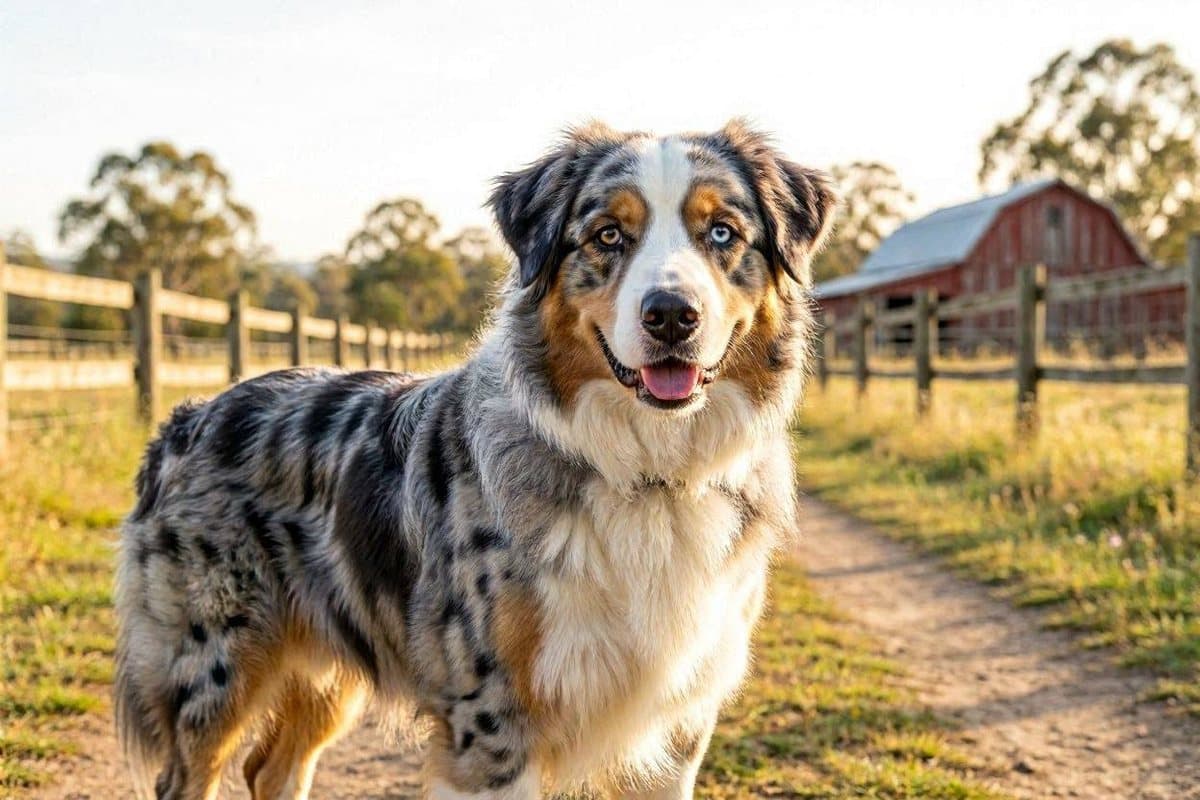
Australian Shepherd at a glance
- Species
- Dog
- Size
- Medium (40–65 lbs)
- Energy
- ●●●●●
- Shedding
- ●●●●●
- Grooming needs
- ●●●●●
- Apartment suitability
- ●●●●●
The Australian Shepherd is the ranch hand of the dog world: gorgeous, tireless, and brilliant — happiest with a job list and miserable with an empty calendar.
Origin & History
Despite the name, the Australian Shepherd was developed in the American West, not Australia — the breed took shape among ranchers in California and other western states during the 1800s, refining herding dogs that had traveled with Basque shepherds through Australia on their way to the United States. The misleading name stuck, but the working job never changed: driving and gathering livestock across open range, a task that demanded stamina, independent judgment, and constant alertness. Those same traits, unchanged by modern breeding, are exactly what make Aussies both brilliant working partners and a handful in a household without a job to give them.
Temperament
Devoted, energetic, and thinking constantly. Aussies bond intensely with their people, herd whatever moves (children included — manage the heel-nipping early with redirection and training), and greet each day asking "what are we doing?" They're more people-oriented than Border Collies but every bit as needful of work, and they tend to be reserved or watchful with strangers until introduced.
Exercise & Mental Needs
High and non-negotiable: 60–90+ minutes daily plus genuine brain work — trick training, agility, frisbee, nose work, herding lessons where available. The classic failure mode is a suburban Aussie given two short walks who invents its own jobs: barking patrol, shadow chasing, landscape renovation via digging. Puzzle feeders and scent games help fill gaps on lower-activity days but don't replace real exercise.
Training
A dream for engaged owners: fast, precise, and eager to work alongside a person. They excel at nearly every dog sport — agility, obedience, flyball, herding trials — and thrive on positive-reinforcement work, which conveniently doubles as the mental exercise they require anyway. Early socialization helps temper the natural wariness toward strangers and unfamiliar situations.
Grooming
The medium-length double coat needs brushing two to three times weekly, more during the twice-yearly heavy shedding seasons. The feathering on the legs, chest, and tail collects burrs and mud with real enthusiasm on outdoor adventures, so a post-hike check is worthwhile. Routine nail trims, ear checks, and dental care round out care.
Health Considerations
- Hip dysplasia — choose breeders who screen parents
- Eye conditions including progressive retinal atrophy and Collie eye anomaly
- Epilepsy in some family lines
- MDR1 drug sensitivity — a gene common in herding breeds that makes certain routine medications dangerous or even fatal at normal doses
A cheap DNA test settles the MDR1 question for life; tell every vet who treats your dog regardless. Natural bobtails and merle coats are breed hallmarks, but responsible breeders never pair merle-to-merle, since that combination risks serious vision and hearing defects in puppies. Lifespan typically runs 12–15 years.
Living With Kids & Other Pets
Aussies generally do well with children in active families, though their herding instinct means nipping at heels or circling running kids is a real, breed-typical behavior that needs early redirection rather than punishment. They can coexist with cats and other dogs, especially when raised together, but the same herding drive applies to any small, fast-moving animal in the house. An Aussie with a job — whether that's fetch, agility, or simply structured daily walks — is dramatically easier to live with than one left to invent its own entertainment.
Is an Aussie Right for You?
For runners, hikers, dog-sport enthusiasts, and active families who want a devoted partner in everything they do — one of the best dogs alive. For anyone wanting a decorative, low-key companion, know that gorgeous coat comes attached to a motor you must feed, daily, for well over a decade. Apartment living isn't impossible with an Aussie, but it requires real commitment to daily off-site exercise and mental work — a small yard alone will never be enough for this breed.
Frequently Asked Questions
Are Australian Shepherds actually from Australia?
No — the breed was developed in the American West, herding sheep on ranches. The name stuck via a historical detour.
What is a 'mini Aussie'?
The Miniature American Shepherd — a recognized smaller version (20–40 lbs) with the same drive in a more apartment-plausible package. Same exercise rules apply, scaled slightly.
Related Guides
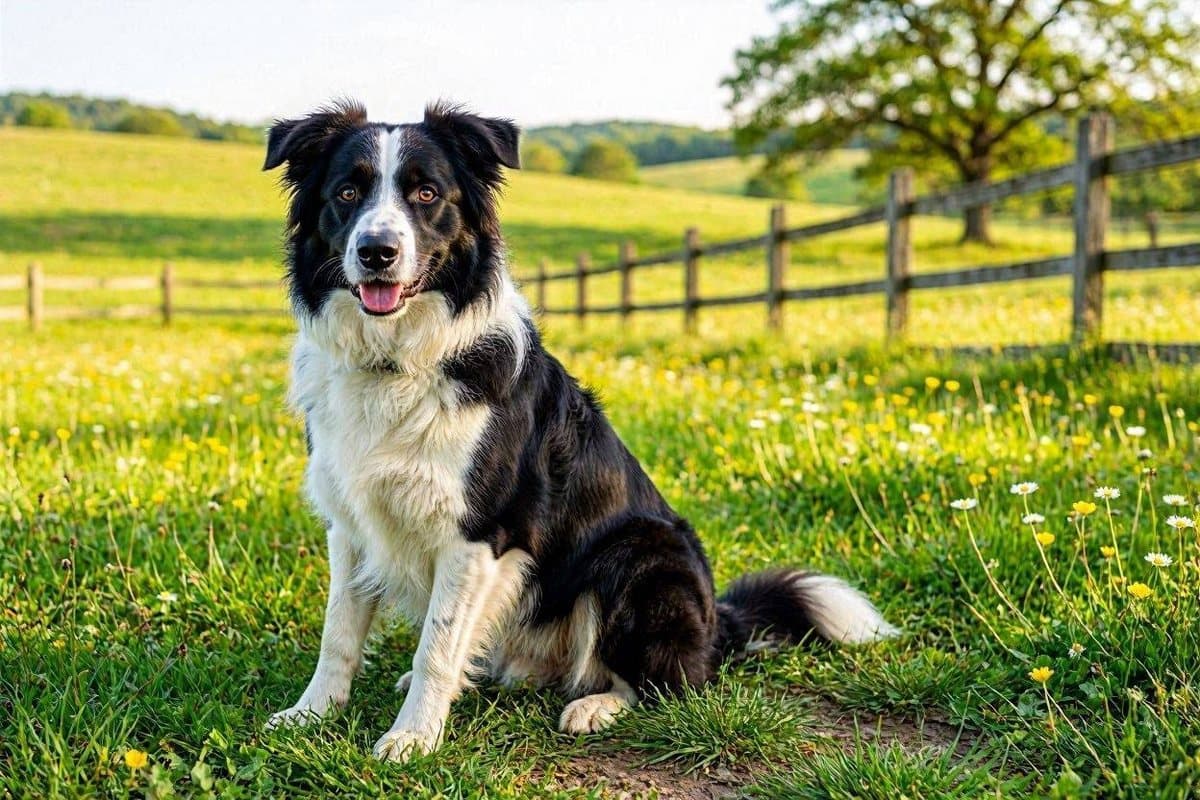
Border Collie Breed Guide
Border Collie temperament, intense exercise and mental needs, training potential, and whether this working genius fits your life.
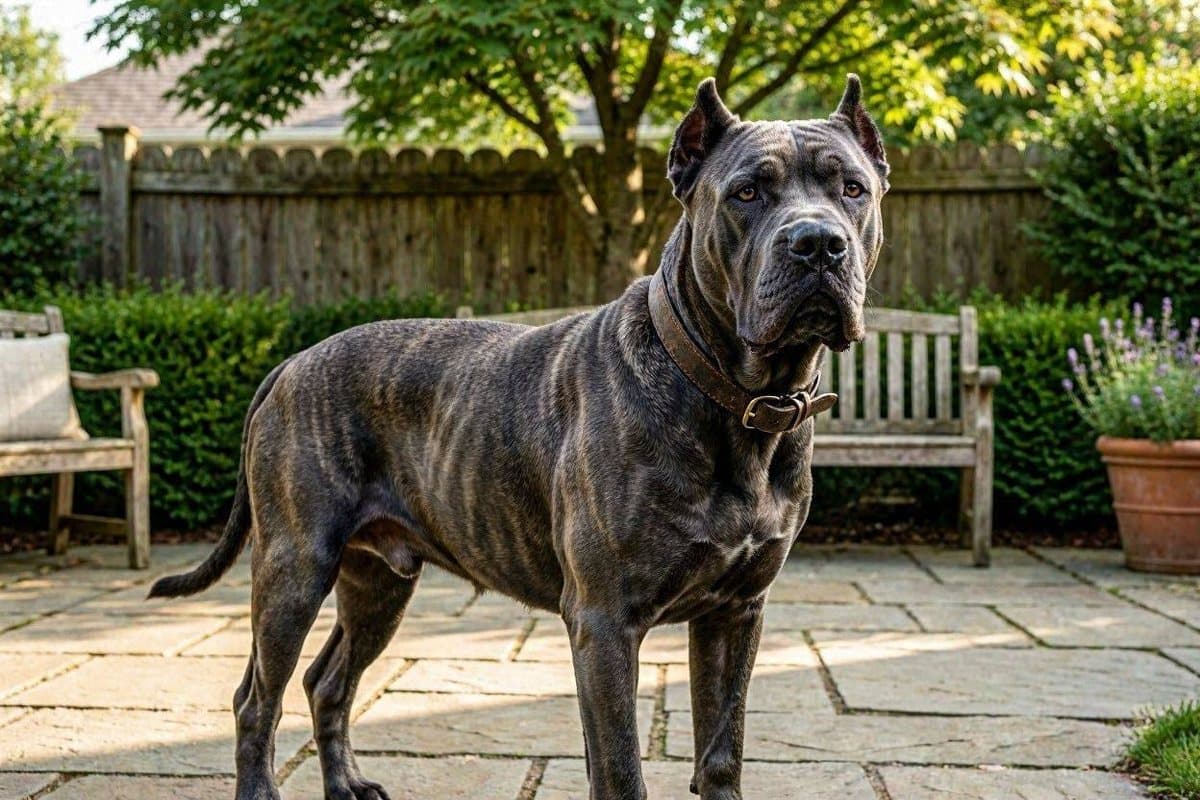
Cane Corso Breed Guide
Cane Corso temperament, training and socialization requirements, and the honest ownership realities of this Italian mastiff guardian.
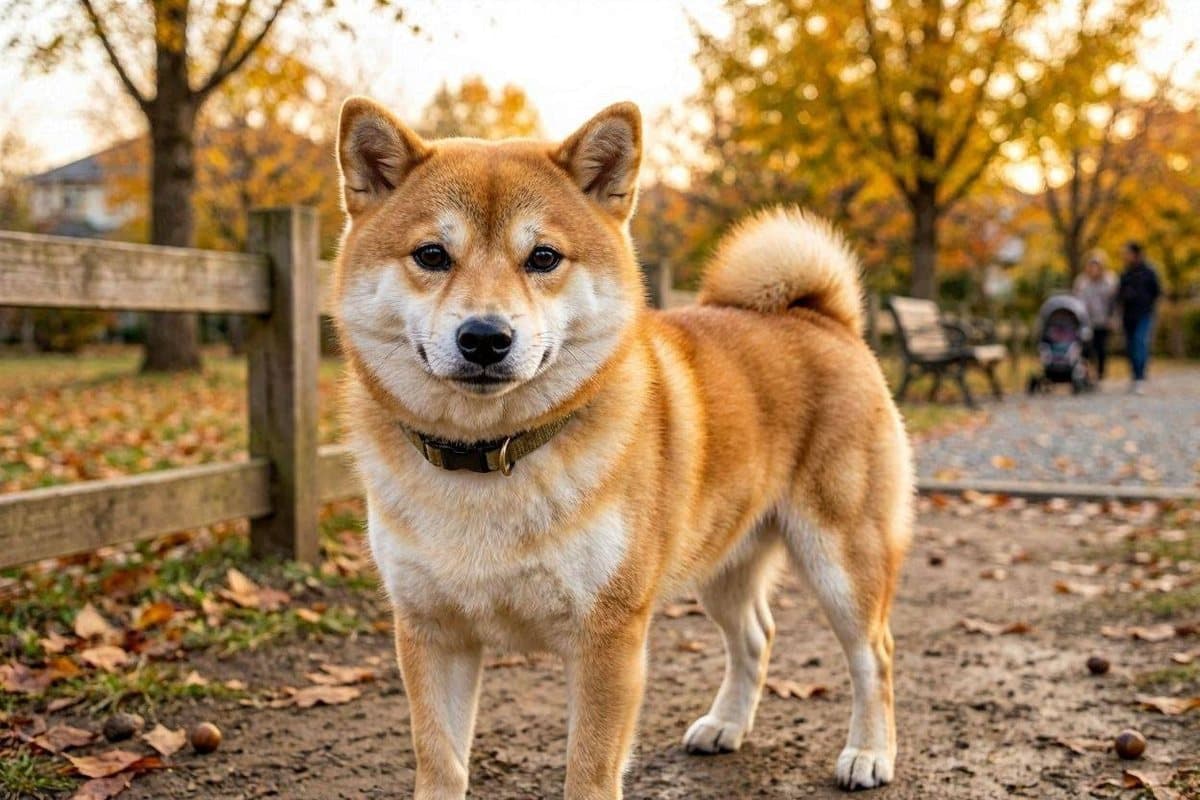
Shiba Inu Breed Guide
Shiba Inu temperament, independence, escape tendencies, grooming, and whether this fox-like breed fits your lifestyle.
Get one useful pet-care tip a week
No spam, unsubscribe anytime.