 Daily Pet Care Hub
Cane Corso Breed Guide
By Pet Mama · Published 2026-01-14 · Updated 2026-08-31 · 3 min read
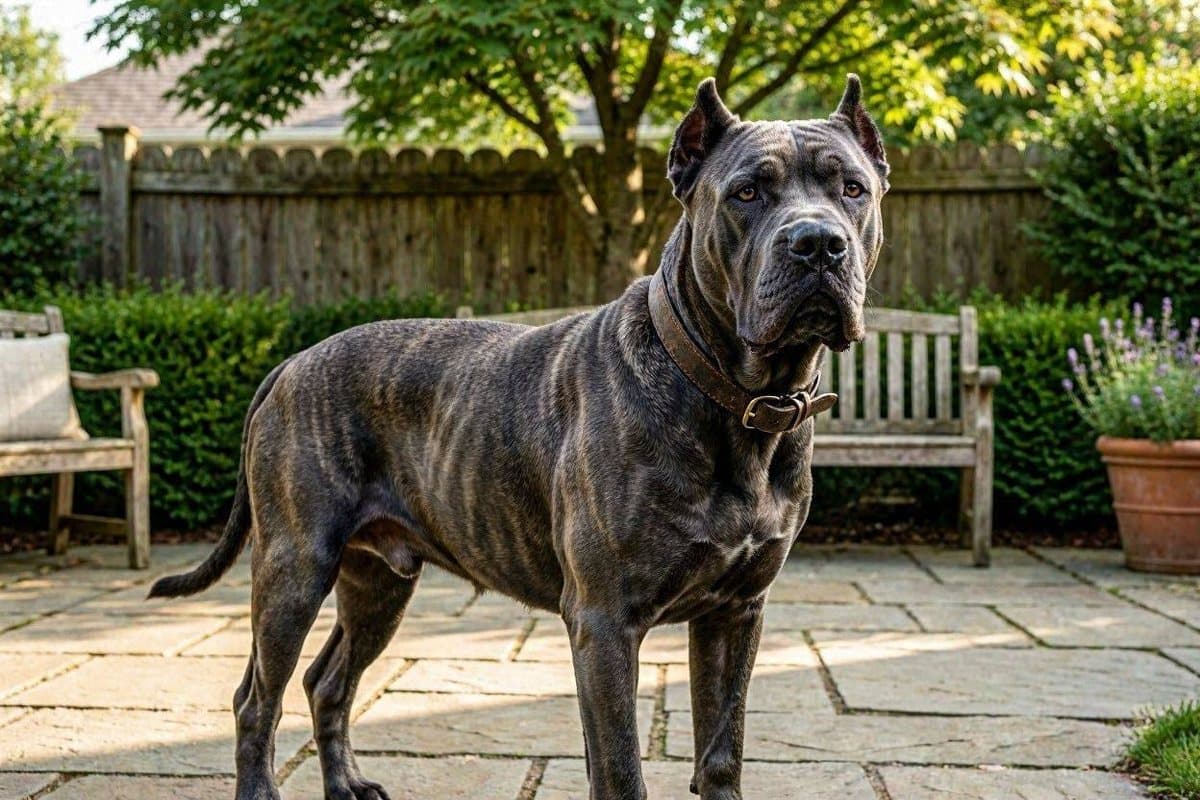
Cane Corso at a glance
- Species
- Dog
- Size
- Giant (85–120 lbs)
- Energy
- ●●●●●
- Shedding
- ●●●●●
- Grooming needs
- ●●●●●
- Apartment suitability
- ●●●●●
The Cane Corso is Italy's ancient estate guardian — intelligent, imposing, and profoundly loyal. It's also the breed on this site where we're most direct: this is an expert-level dog, and pretending otherwise serves nobody.
Origin & History
The Cane Corso descends from Roman war and guardian dogs, refined over centuries in southern Italy to protect farms and livestock and to hunt large game like wild boar. The name is widely believed to derive from the Latin cohors, meaning "guardian" or "protector." Unlike breeds developed for herding or companionship, the Corso was purpose-built to make independent decisions about threats — a trait that made it invaluable on isolated Italian estates and that shapes nearly every part of modern Corso temperament and training needs.
Temperament
With family: affectionate, stable, and watchful — a quiet shadow with surprising gentleness toward the people it trusts. With strangers: naturally reserved and assessing, exactly as designed. That guarding instinct is a constant that ownership must channel through training and socialization, not a bug that training removes. A well-raised Corso is calm and biddable; a poorly raised one is a genuine liability.
The Ownership Contract
Non-negotiables: extensive socialization from earliest puppyhood (hundreds of positive exposures to people, dogs, sounds, and environments), ongoing structured training for life, secure six-foot fencing, confident calm leadership, and full inclusion in family life — an isolated Corso left alone in a yard becomes a liability, not a guardian. First-time owners should choose another breed; experienced owners should still line up a good trainer before the puppy arrives, not after problems appear.
Exercise & Mental Needs
High: daily long walks plus real jobs for that working mind — obedience training, weight-pull, structured play, tracking work. A bored, under-exercised Corso becomes destructive and, worse, more reactive to normal daily triggers. Puppies also need exercise limited during the growth phase to protect developing joints, similar to other giant breeds. Mental work matters as much as physical exertion; a Corso that's tired in body but bored in mind will still find ways to make its own entertainment, usually at the expense of furniture or fencing.
Grooming
Minimal: a short, dense coat needs only a weekly once-over, with moderate seasonal shedding twice a year. Drool is modest by mastiff standards, though not absent. Nail trims, ear checks, and dental care round out routine maintenance.
Health Considerations
- Hip and elbow dysplasia — insist on health-tested parents
- Bloat (gastric dilatation-volvulus) — feed measured meals, avoid vigorous exercise around mealtimes, discuss preventive gastropexy with your vet
- Idiopathic epilepsy in some lines
- Eyelid conditions like entropion and ectropion
- Cardiac issues, including dilated cardiomyopathy in some lines
Lifespan runs 9–12 years, respectable for a giant breed. Feed a large-or-giant-breed appropriate diet, especially during the puppy growth phase — food formulated to control growth rate helps protect developing joints from the strain of rapid weight gain.
Practical Realities
Breed restrictions in rentals and insurance policies are common for Cane Corsos (as with the Rottweiler) — verify before committing to a lease or policy. Everything costs more at giant scale, from food to vet visits to gear; budget accordingly using a realistic cost breakdown.
Living With Kids & Other Pets
Cane Corsos raised with children in the home are often gentle and protective, but their size and strength mean supervision is mandatory regardless of temperament — even an affectionate 100-pound dog can knock over a toddler by accident. Early socialization with other dogs matters enormously, since Corsos can be selective or assertive with unfamiliar dogs of the same sex. This is not a breed to bring home casually into a household with multiple existing pets without a careful, gradual introduction plan and professional guidance if needed.
Is a Cane Corso Right for You?
For an experienced, committed guardian-breed owner with space, budget, and real training dedication: a magnificent, deeply loyal partner. For first-time owners, casual households, or anyone unwilling to socialize and train consistently for the dog's whole life: admiration from a distance is the responsible choice.
Frequently Asked Questions
Is a Cane Corso a good first dog?
No — and responsible breeders will tell you the same. This is an experienced-owner breed requiring confident handling, extensive training, and guardian-breed knowledge from day one.
Are Cane Corsos affectionate with family?
Deeply — with their people they're devoted, often gentle velcro giants. The reserve is for outsiders, which is exactly what they were bred for.
How much exercise does a Cane Corso need?
At least an hour of real activity daily — walks, structured play, and mental work. A bored Corso becomes a destructive, more reactive Corso, so this isn't optional.
Do Cane Corsos drool a lot?
Some, but less than typical mastiff breeds. Expect occasional drool after drinking or in heat, not a constant mess.
Related Guides

Bernese Mountain Dog Breed Guide
Bernese Mountain Dog temperament, exercise and grooming needs, lifespan realities, and care for this affectionate working breed.

Rottweiler Breed Guide
Rottweiler temperament, training and socialization needs, exercise, and health considerations for this powerful working breed.

Great Dane Breed Guide
Great Dane temperament, space and cost realities, bloat prevention, and health considerations for the tallest dog breed.
Get one useful pet-care tip a week
No spam, unsubscribe anytime.