 Daily Pet Care Hub
Great Dane Breed Guide
By Pet Mama · Published 2025-11-22 · Updated 2026-08-31 · 3 min read
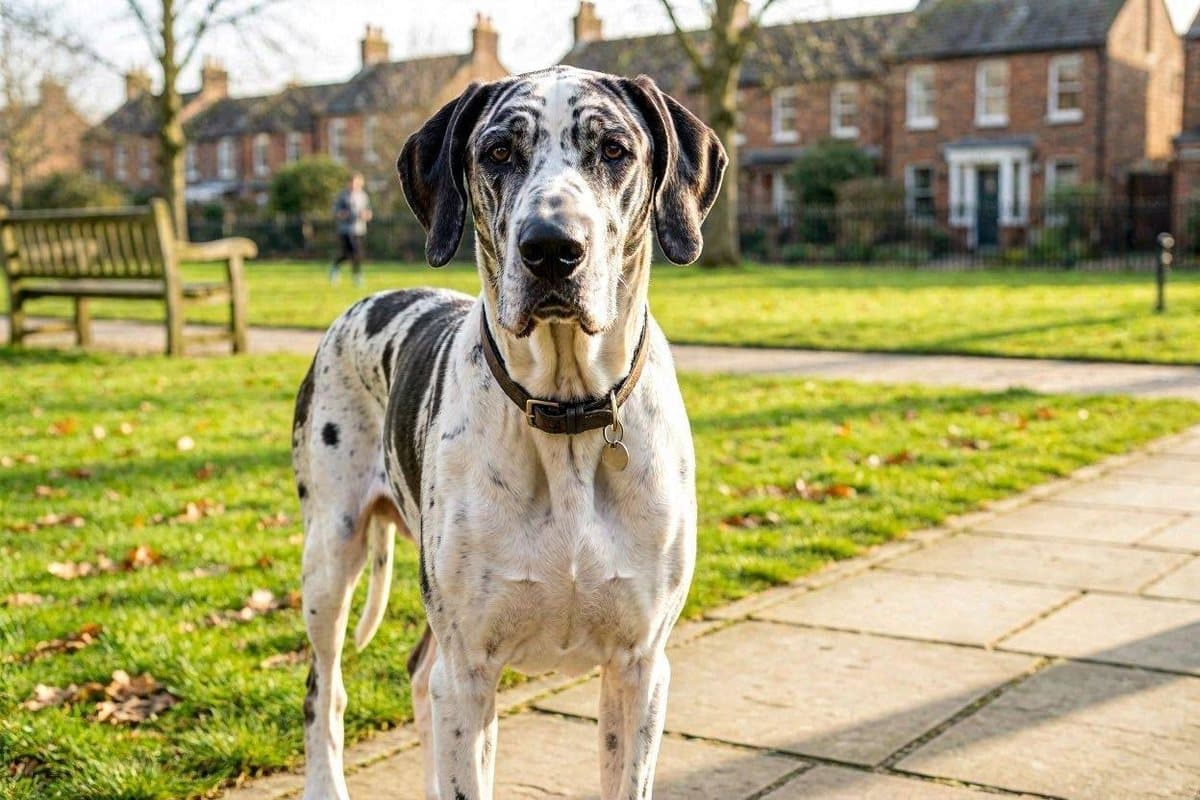
Great Dane at a glance
- Species
- Dog
- Size
- Giant (110–175 lbs)
- Energy
- ●●●●●
- Shedding
- ●●●●●
- Grooming needs
- ●●●●●
- Apartment suitability
- ●●●●●
The Great Dane is the world's tallest dog wearing the temperament of an oversized lap cat — gentle, mellow, and convinced it fits on your sofa. Mostly, it doesn't, and sits there anyway.
Origin & History
Despite the name, Great Danes were developed in Germany, not Denmark, where they were bred to hunt wild boar — a job requiring both the size to take down dangerous game and enough speed and agility to keep up with mounted hunters. Their ancestry traces back to mastiff-type and sighthound crosses, which explains the unusual combination seen today: a massive frame paired with a surprisingly elegant, athletic gait. As boar hunting declined, the breed transitioned into an estate guardian and eventually into the calm family companion known today, officially becoming Germany's national dog in the late 1800s.
Temperament
The "gentle giant" label is earned: adult Danes are calm, patient, and sweet with children (supervised — a happy tail is a hip-height club that can knock a small kid down without any aggression involved). They're moderate watchdogs by size and bark alone rather than aggression, and they genuinely dislike solitude, often following their favorite person from room to room despite their size.
Space, Cost & Logistics
Everything scales with a Great Dane: food bills that rival a teenager's, XXL crates and beds, car space requirements, and vet costs where every medication doses by body weight. Counter-surfing requires no jumping — just standing at full height. Plan the household layout, furniture, and budget around the size honestly before bringing one home.
Exercise Needs
Moderate: two good walks and some play meet most adult Danes' needs — this isn't a high-drive working breed. Critically, limit strenuous exercise during the long puppy growth phase (up to 18–24 months); giant-breed joints and growth plates are vulnerable, so avoid forced running, jumping, or long stair sessions while the skeleton is still developing.
The Bloat Conversation
Danes lead all breeds in risk for gastric dilatation-volvulus (bloat), a life-threatening emergency where the stomach fills with gas and twists. The prevention routine: multiple smaller meals instead of one large one, calm behavior before and after eating, elevated feeding is no longer recommended as it may increase risk, and a serious talk with your vet about preventive gastropexy (often performed at the same time as spay or neuter). Know the emergency signs — unproductive retching, a visibly swollen abdomen, restlessness, and drooling — and treat any of them as a same-hour emergency vet visit.
Grooming
Easy: a short coat needs only weekly brushing to manage moderate shedding — just a lot of surface area to cover. Nail trims matter more than usual given the weight those joints carry, and regular ear checks help prevent infections in dogs with drop ears. Dental care is worth staying on top of too, since a giant breed's teeth aren't proportionally bigger than a small dog's, but the overall size can make owners overlook routine brushing.
Health & Lifespan
Beyond bloat, watch for hip dysplasia, dilated cardiomyopathy (regular cardiac screening is worthwhile), and elevated rates of osteosarcoma (bone cancer). Lifespan of 7–10 years is the breed's heartbreak, among the shortest of any dog breed — a real cost of the giant-breed trade-off that's worth going in prepared for.
Training Notes
Danes are eager to please and generally easy to train with consistent positive reinforcement, but early training matters enormously given their eventual size — a 150-pound adult who never learned leash manners as a puppy is genuinely unmanageable. Start loose-leash walking, polite greetings, and basic obedience the day the puppy comes home, well before the growth spurts hit. Crate training and settling on a mat are especially useful given how much space this dog will eventually occupy in every room.
Is a Great Dane Right for You?
For a household with adequate space, budget for a large dog's food and vet bills, and love for a calm, comic, deeply affectionate companion — few breeds give more per year they're with you. Just know the years are precious and plan to make the most of them.
Frequently Asked Questions
How long do Great Danes live?
Sadly short: 7–10 years is typical for giant breeds. Owners describe it as the breed's only real flaw.
Can a Great Dane live in an apartment?
Surprisingly, often yes — adult Danes are calm, low-clutter couch dogs. The challenges are stairs, elevator logistics, and simply fitting; their energy suits apartments better than a Beagle's.
What is bloat and why do Dane owners worry about it?
Gastric dilatation-volvulus — the stomach twists, and it kills within hours. Danes are the highest-risk breed. Know the signs (unproductive retching, swollen abdomen, distress) and discuss preventive gastropexy with your vet.
Related Guides
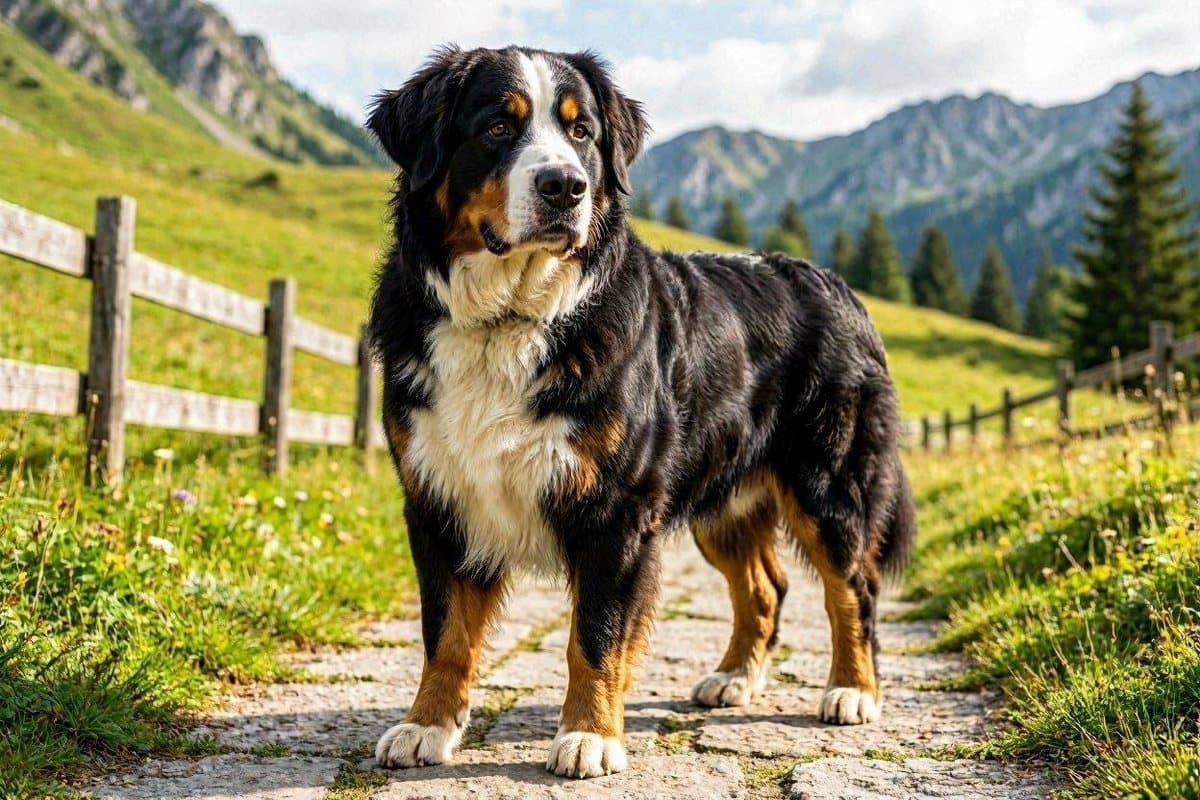
Bernese Mountain Dog Breed Guide
Bernese Mountain Dog temperament, exercise and grooming needs, lifespan realities, and care for this affectionate working breed.
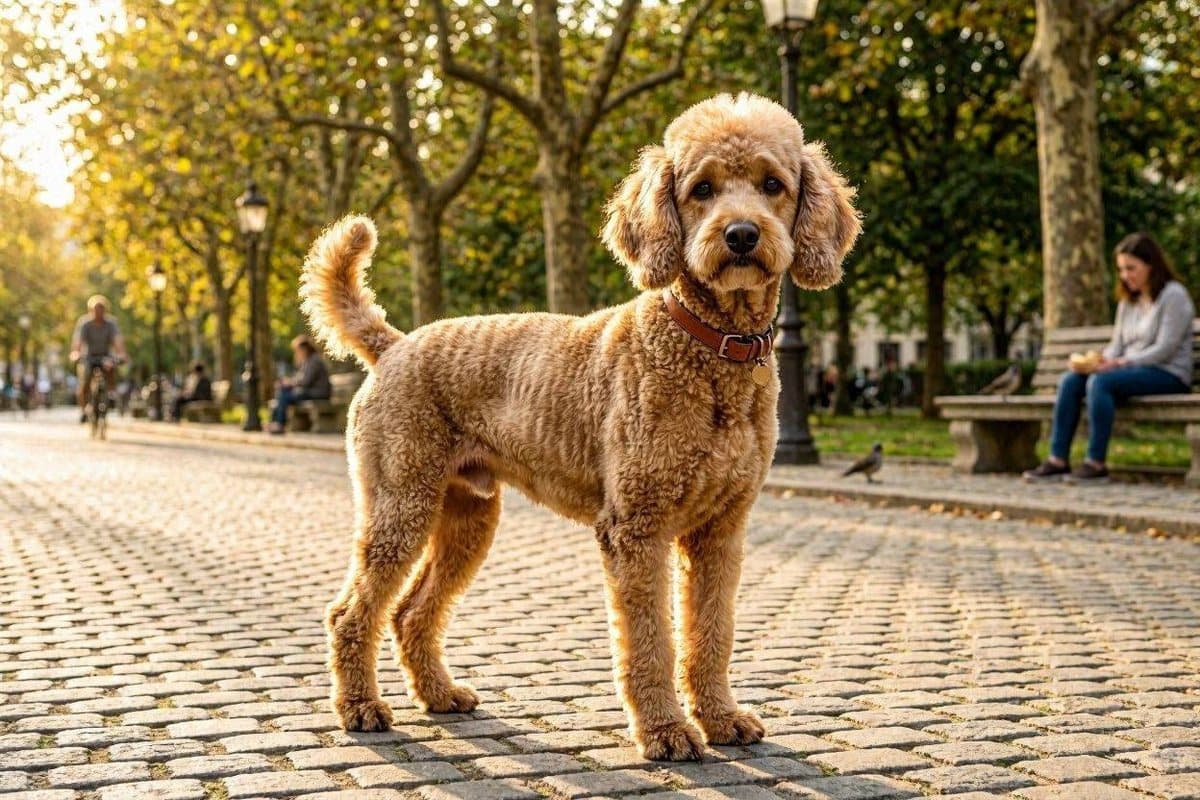
Standard Poodle Breed Guide
Standard Poodle temperament, exercise and grooming needs, and health considerations for this intelligent, versatile breed.
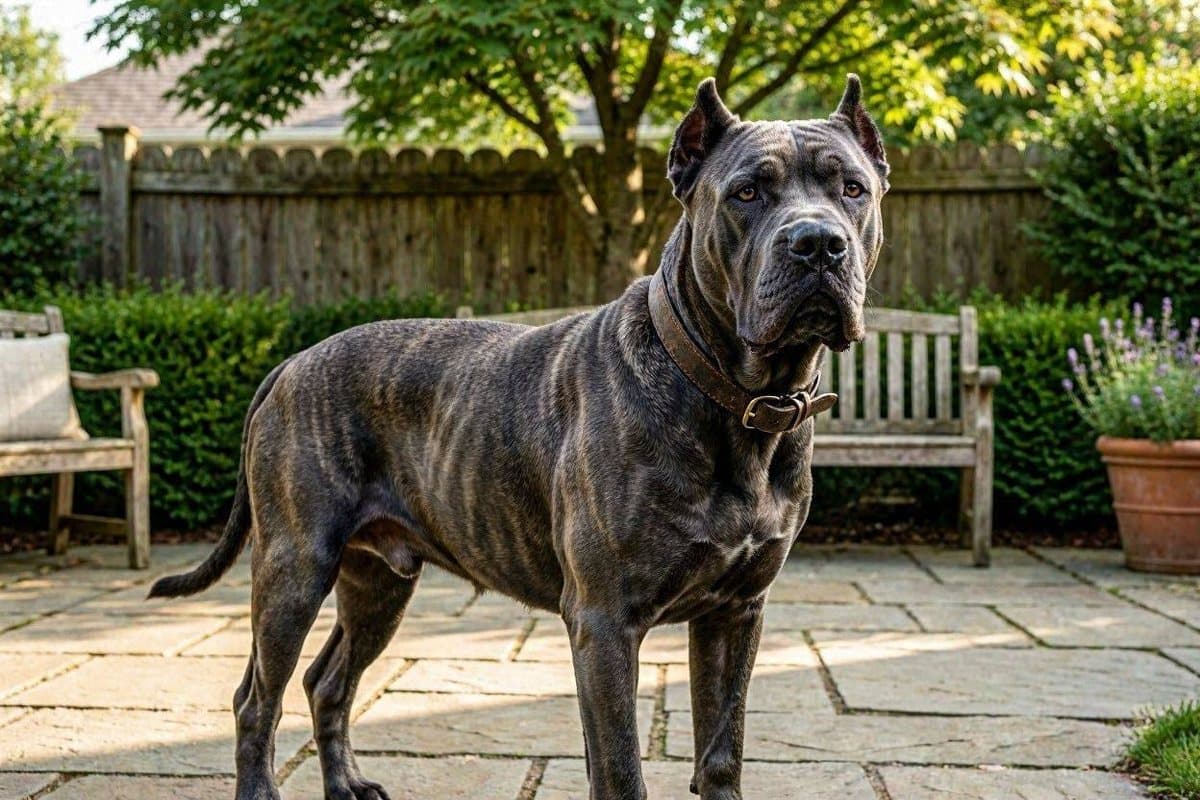
Cane Corso Breed Guide
Cane Corso temperament, training and socialization requirements, and the honest ownership realities of this Italian mastiff guardian.
Get one useful pet-care tip a week
No spam, unsubscribe anytime.