 Daily Pet Care Hub
Pug Breed Guide
By Pet Mama · Published 2025-02-18 · Updated 2026-08-31 · 3 min read
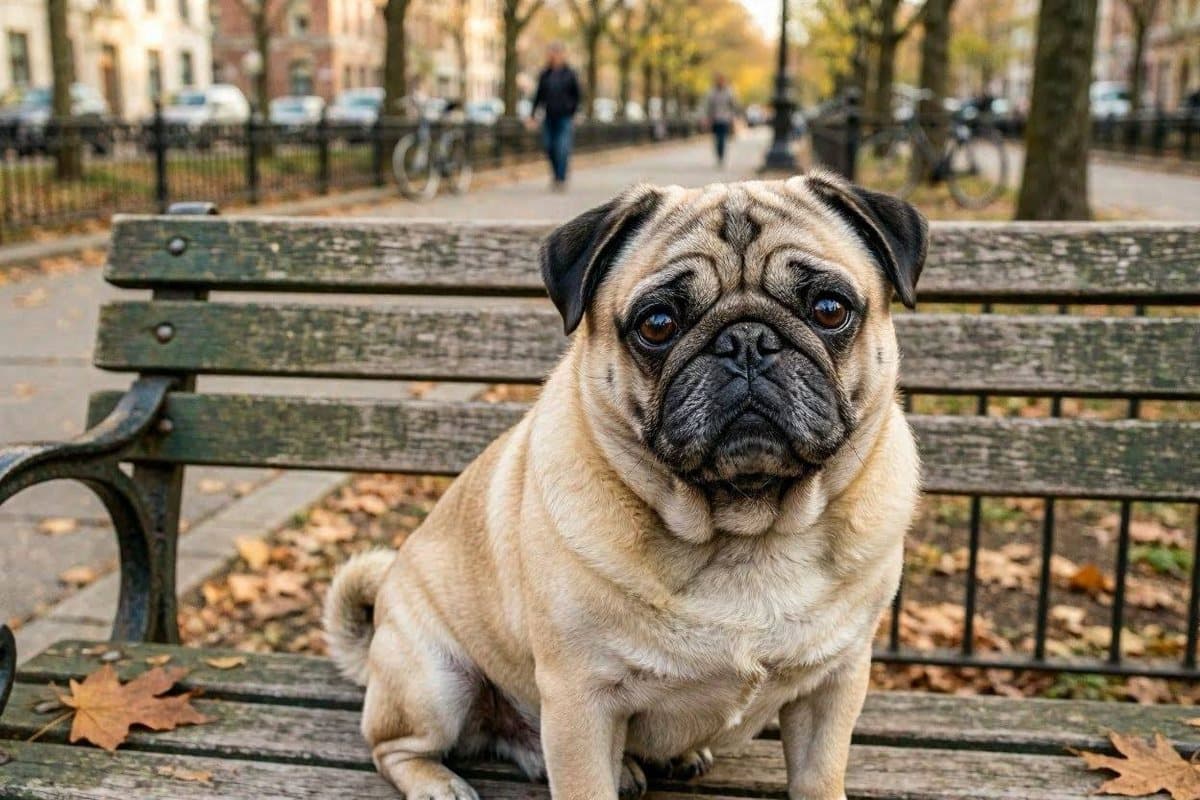
Pug at a glance
- Species
- Dog
- Size
- Small (14–18 lbs)
- Energy
- ●●●●●
- Shedding
- ●●●●●
- Grooming needs
- ●●●●●
- Apartment suitability
- ●●●●●
The Pug is a professional companion: bred for centuries to do exactly one job — be with people — and it shows. Few breeds settle into apartment life, family homes, or a quiet retiree's routine as effortlessly as this one.
Origin & History
Pugs trace back thousands of years to ancient China, where they were prized companions of emperors and Buddhist monks, sometimes kept in considerable luxury. Dutch traders brought the breed to Europe in the 16th century, and it quickly became fashionable among European royalty — legend credits a Pug with alerting William the Silent of the Netherlands to an assassin, making the breed the official mascot of the House of Orange. Marie Antoinette and Queen Victoria were both known Pug owners, and the American Kennel Club recognized the breed in 1885. The Latin phrase often used to describe them, multum in parvo — "much in a little" — sums up the breed's big personality in a small frame. Pugs traditionally come in fawn with a black mask or solid black, both recognized colors that carry the same temperament and care needs.
Temperament
Charming, even-tempered, and playful without being demanding. Pugs are famously good with children and other pets, and their clownish personality keeps households laughing. They crave attention and tend to shadow their favorite person around the house, but rarely display the neediness or anxiety seen in some other companion breeds. That same easygoing nature extends to multi-pet households — Pugs typically adapt well to living with other dogs, cats, and respectful children, making them one of the more flexible companion breeds for a busy home.
Exercise Needs
Low: short walks and indoor play suffice. Critically, as a brachycephalic (flat-faced) breed, they must avoid heat and humidity — walk in the cool hours and never leave them in warm cars or direct sun. Their compact airways mean they tire and overheat faster than their enthusiasm suggests, so it's on the owner to call time on playtime before the dog will. A short daily walk plus a few play sessions indoors is genuinely enough exercise for most adult Pugs — this is not a breed that benefits from pushing for more.
Grooming
Weekly brushing (they shed more than you'd expect for a short coat), plus regular cleaning of facial wrinkles to prevent skin fold infections, and routine nail and ear care. The deep facial folds need to be kept dry as well as clean — trapped moisture is what leads to skin problems.
Training Notes
Pugs are food-motivated and generally eager to please, which makes basic obedience achievable, but they also have an independent streak and bore quickly with repetition. Keep sessions short and reward-based, following positive reinforcement principles, and expect a dog that learns tricks readily but occasionally chooses not to perform them.
Weight & Health
Pugs gain weight easily, and extra pounds worsen their breathing issues — measure meals and resist those pleading eyes. Health watch-list:
- Brachycephalic Obstructive Airway Syndrome (BOAS) — snoring, snorting, and breathing effort
- Eye injuries and proptosis — their prominent eyes are vulnerable to scratches and, in serious cases, can dislocate from the socket
- Skin fold dermatitis from trapped moisture in facial wrinkles
- Hip dysplasia and other joint issues
- Pug dog encephalitis (PDE) — a rare but serious inflammatory brain condition seen almost exclusively in this breed
With attentive weight management, Pugs typically live 12 to 15 years. Pet insurance is worth pricing before adoption given the breed's known health risks. Because Pugs can't self-regulate their body temperature as efficiently as longer-nosed breeds, owners in warmer climates should plan on air conditioning and indoor exercise during the hottest months rather than relying on outdoor time.
Is a Pug Right for You?
Perfect for relaxed households, apartments, and first-time owners wanting an affectionate, low-exercise companion. Not suited to hot climates without air conditioning or to owners wanting a jogging partner — this is a dog built for couch time and short strolls, not distance running.
Frequently Asked Questions
Do Pugs shed a lot?
Yes — surprisingly heavily for a short-coated breed. Weekly brushing (more in shedding season) keeps it manageable.
Can Pugs be left alone?
They tolerate moderate alone time better than many companion breeds, but they live for company and do best in homes where someone is around.
Where do Pugs come from?
China, thousands of years ago, where they were bred as companions for emperors and Buddhist monks. Dutch traders brought them to Europe in the 1500s, and they later became beloved companions of European royalty.
Are Pugs hard to train?
They're food-motivated and eager to please, but also a bit stubborn and easily bored by repetition. Short, upbeat, treat-based sessions work best.
Related Guides
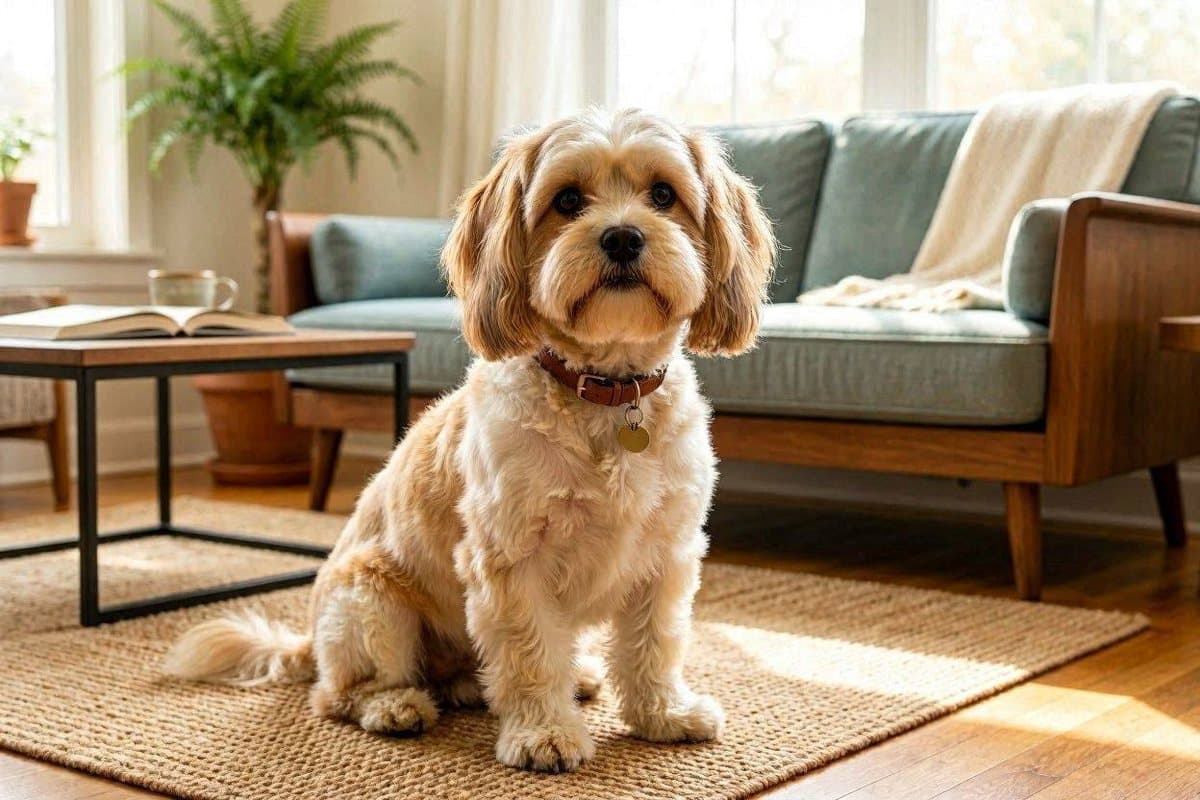
Havanese Breed Guide
Havanese temperament, grooming needs, trainability, and why Cuba's national dog excels in apartments and with first-time owners.
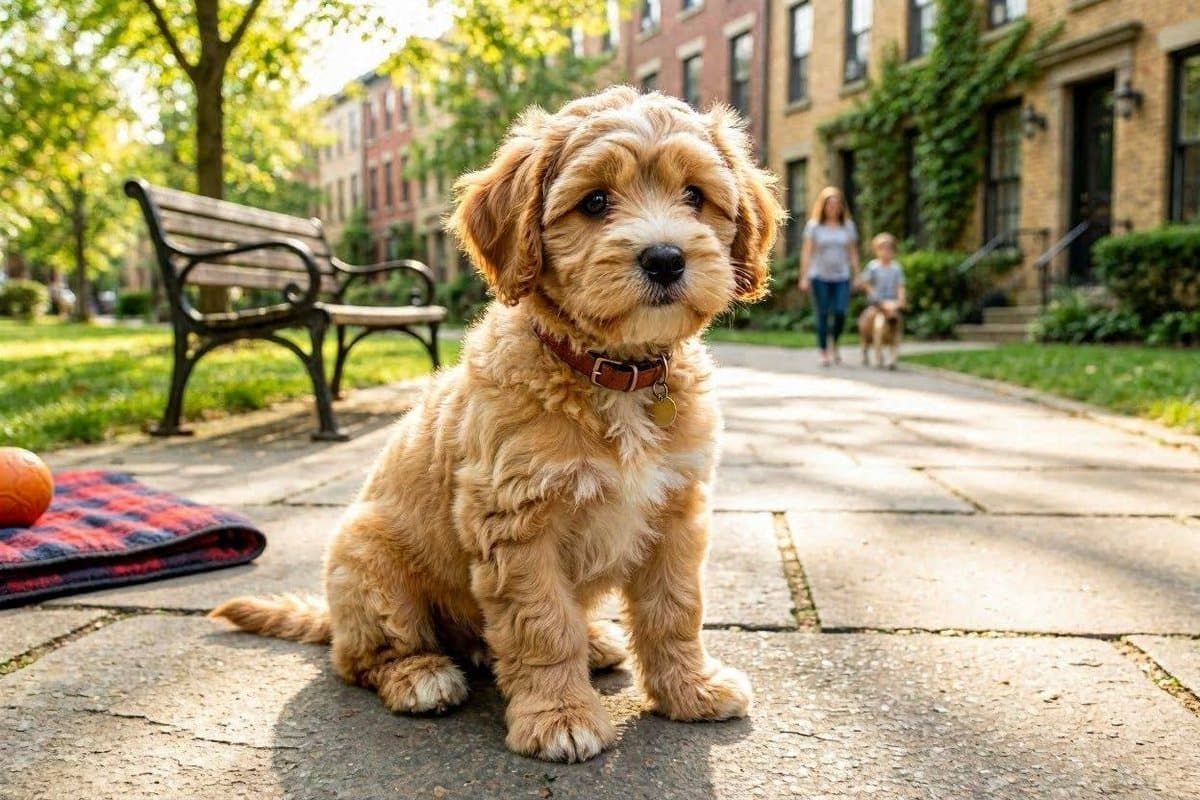
Cavapoo Breed Guide
Cavapoo (Cavalier × Poodle) temperament, sizes, grooming needs, and health considerations for this gentle, popular designer mix.
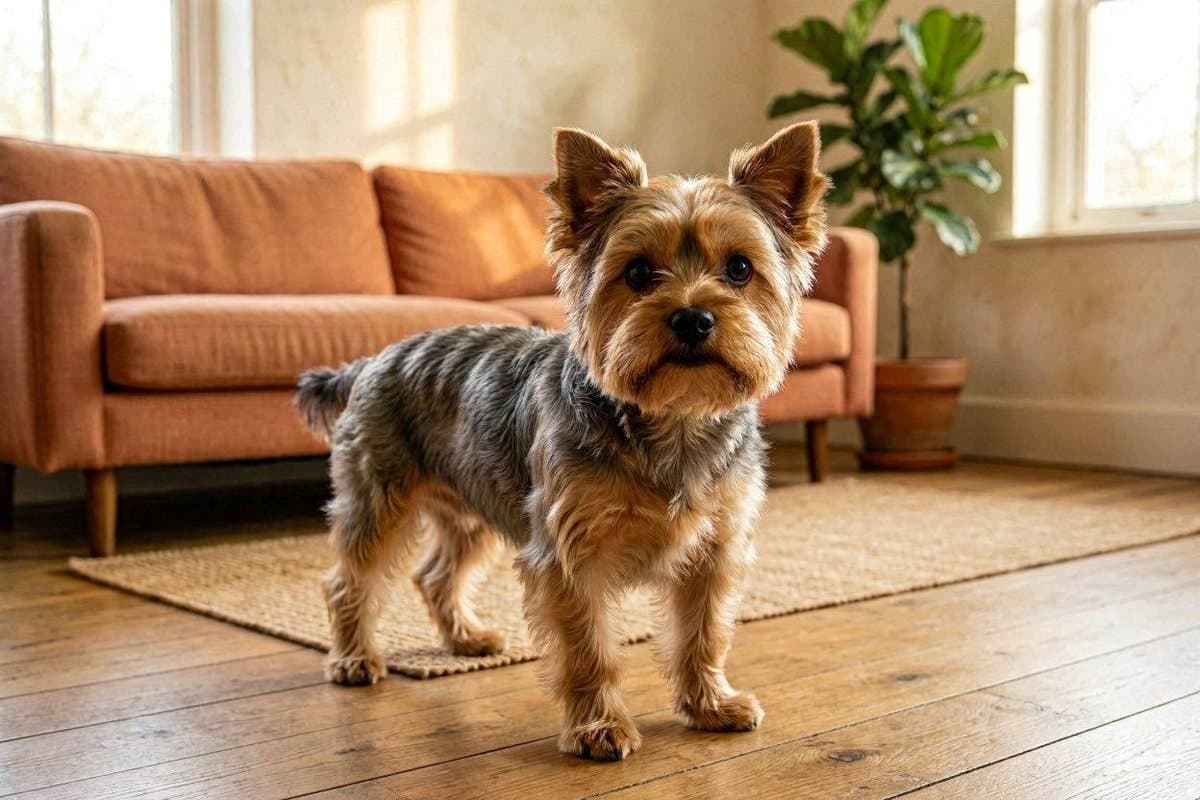
Yorkshire Terrier Breed Guide
Yorkshire Terrier temperament, grooming needs, training tips, and health considerations for this popular toy terrier.
Get one useful pet-care tip a week
No spam, unsubscribe anytime.