 Daily Pet Care Hub
Yorkshire Terrier Breed Guide
By Pet Mama · Published 2025-10-03 · Updated 2026-08-31 · 3 min read
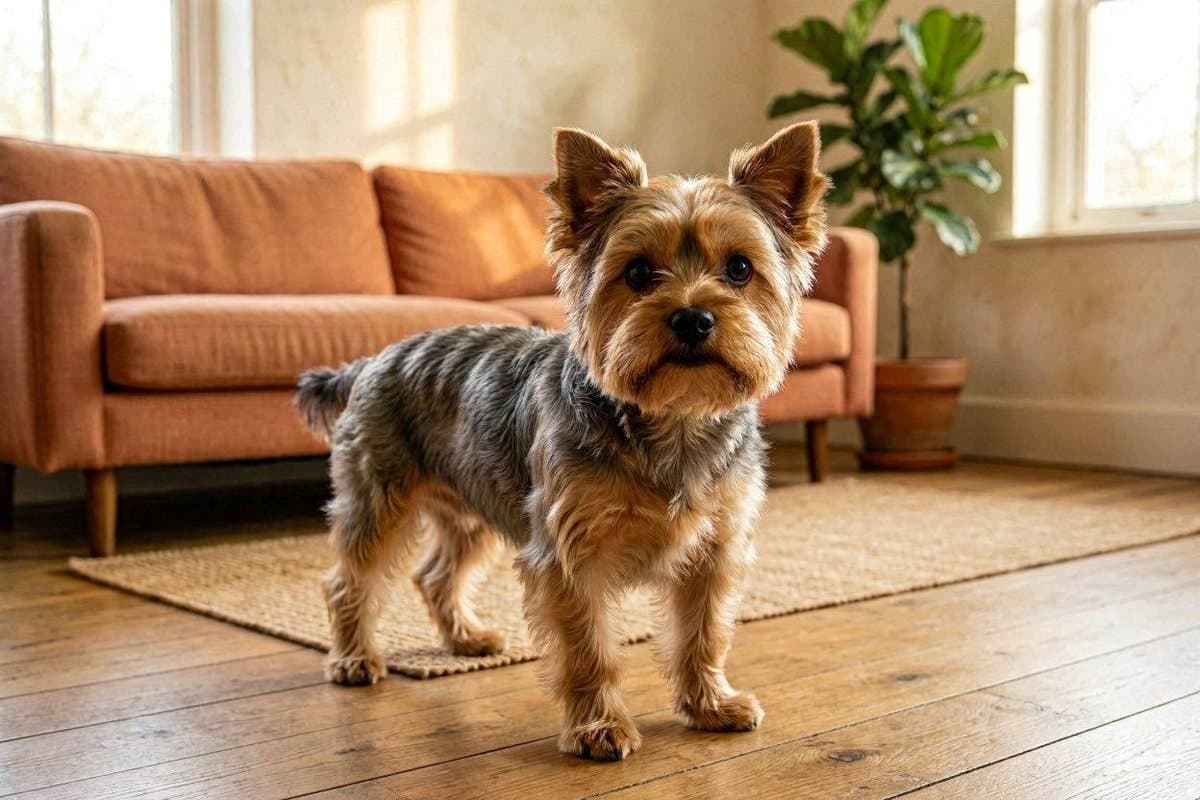
Yorkshire Terrier at a glance
- Species
- Dog
- Size
- Toy (4–7 lbs)
- Energy
- ●●●●●
- Shedding
- ●●●●●
- Grooming needs
- ●●●●●
- Apartment suitability
- ●●●●●
Don't let the topknot fool you: the Yorkshire Terrier is a genuine terrier — a former ratting dog wearing a silk coat, with the confidence to match. Weighing in at just a few pounds, the Yorkie packs an outsized personality that regularly surprises people who assume "toy breed" means "timid."
Origin & History
Yorkshire Terriers were developed in 19th-century England by working-class mill and mine workers, who bred several small Scottish and English terrier types together to create a tenacious ratter small enough to chase vermin through tight mine shafts and textile mills. As the breed's coat and size were refined, it caught the eye of Victorian high society, and the scrappy working terrier was reinvented as a fashionable lapdog. The American Kennel Club recognized the Yorkshire Terrier in 1885, and it has remained one of the most popular toy breeds ever since — a working-class dog that became a society favorite. The breed's signature blue-and-tan coat coloring is one of its most distinctive traits, developing gradually from the black-and-tan coat puppies are born with. Breeders have also developed a smaller "teacup" variety in recent decades, though this isn't an official size class — very small Yorkies simply carry higher health risks and need extra care.
Temperament
Affectionate, feisty, and brave beyond all reason. Yorkies bond hard to their people, greet strangers with commentary, and carry terrier tenacity into everything from tug games to squirrel diplomacy. Despite their tiny frame, they carry themselves with the confidence of a much bigger dog. That fearless streak is charming but worth managing around larger dogs and traffic — a Yorkie's confidence outpaces its ability to defend itself.
Exercise Needs
Moderate for the size: daily walks plus play. Their terrier brain needs jobs — puzzle feeders and scent games prevent the boredom barking the breed is known for. A couple of short walks plus indoor play is generally enough physical activity, but skipping the mental piece is where most behavior problems in this breed start.
Grooming
The silky coat is beautiful and demanding: daily brushing in a long show coat, or the practical "puppy cut" every 4–6 weeks. Either way it sheds very little — a top pick for tidy homes and mild allergies. Small-jaw dental care is non-negotiable, since dental disease is one of the most common health issues in the breed.
Training Notes
Quick learners with selective hearing. Positive, food-driven training works; repetitive drilling bores them into mischief. House training runs slow — small bladder, strong will — so work the schedule patiently.
Health Considerations
Dental disease, patellar luxation, tracheal collapse (harness only, never a collar), and liver shunts in some lines. Very small Yorkie puppies are also prone to hypoglycemia (low blood sugar) and need frequent small meals until they gain some size. Like most toys, they're long-lived — 13 to 16 years — when weight and teeth are managed. Their small mouths crowd teeth closer together than in larger breeds, which is part of why routine brushing and professional cleanings matter more for Yorkies than for most dogs. A vet-recommended dental routine started early, rather than after tartar builds up, makes a real difference over the dog's long lifespan.
Living With Kids & Other Pets
Yorkies can do well with older, gentle children who understand how to handle a small dog, but their tiny size makes them vulnerable to injury from rough play with toddlers, so supervision matters. They typically get along fine with other calm household pets, though introductions to larger, high-energy dogs should be managed carefully given the size difference.
Is a Yorkie Right for You?
Great for apartments, allergy-conscious owners, and anyone who wants a big-dog personality in a handbag-sized frame — with a standing grooming appointment. Households with very young children or larger, boisterous dogs should think carefully, since a Yorkie's small size makes it genuinely fragile despite its bold attitude. For the right home, though, few breeds deliver this much personality and companionship in such a portable package.
Frequently Asked Questions
Are Yorkies hypoallergenic?
Their hair-like, low-shedding coat drops less dander than most breeds — one of the better choices for allergy-sensitive homes, though no dog is truly hypoallergenic.
Do Yorkies bark a lot?
They're alert little watchdogs with terrier opinions — yes, without training. Reward quiet early and consistently.
Where did Yorkshire Terriers come from?
19th-century England. Working-class mill and mine workers in Yorkshire bred small terriers to hunt rats in textile mills, crossing several local terrier types. Victorian society later prized the refined result as a fashionable lapdog.
Why do Yorkies need a harness instead of a collar?
Their small windpipes are prone to tracheal collapse, and pressure from a collar can aggravate the condition over time. A well-fitted harness spreads pressure across the chest instead of the throat.
Related Guides
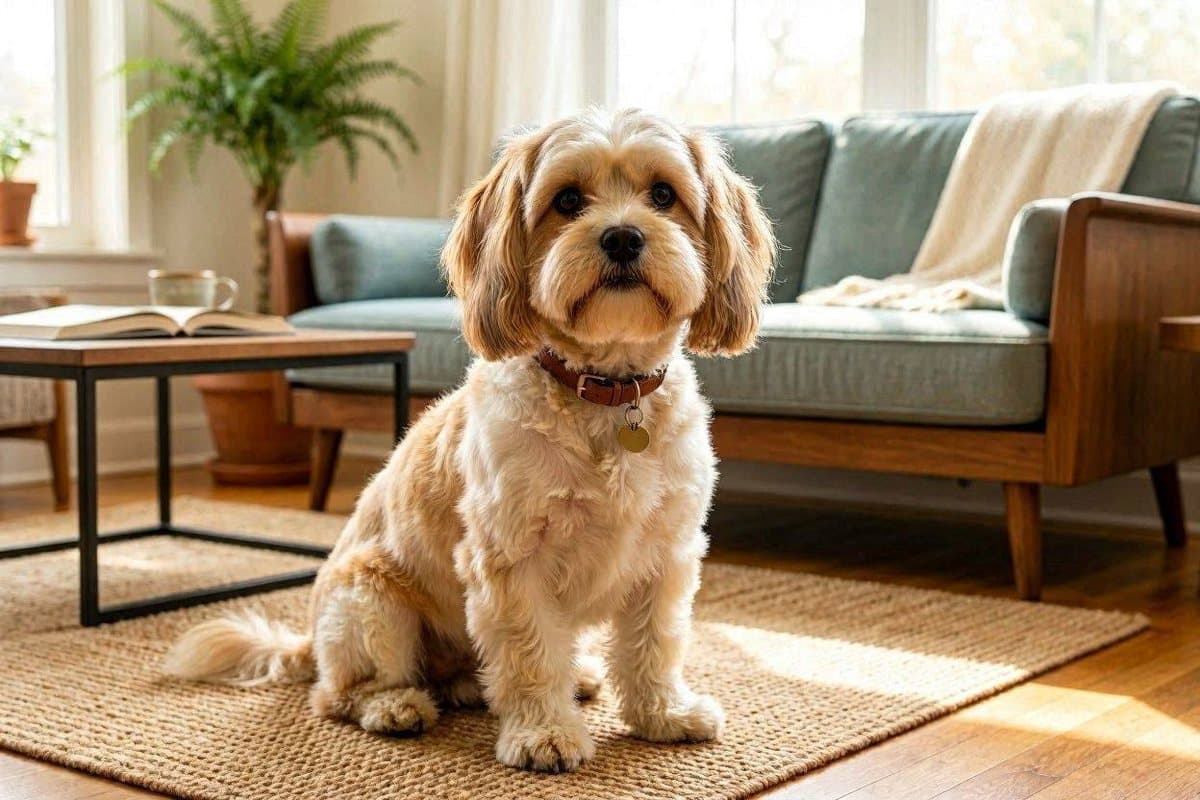
Havanese Breed Guide
Havanese temperament, grooming needs, trainability, and why Cuba's national dog excels in apartments and with first-time owners.
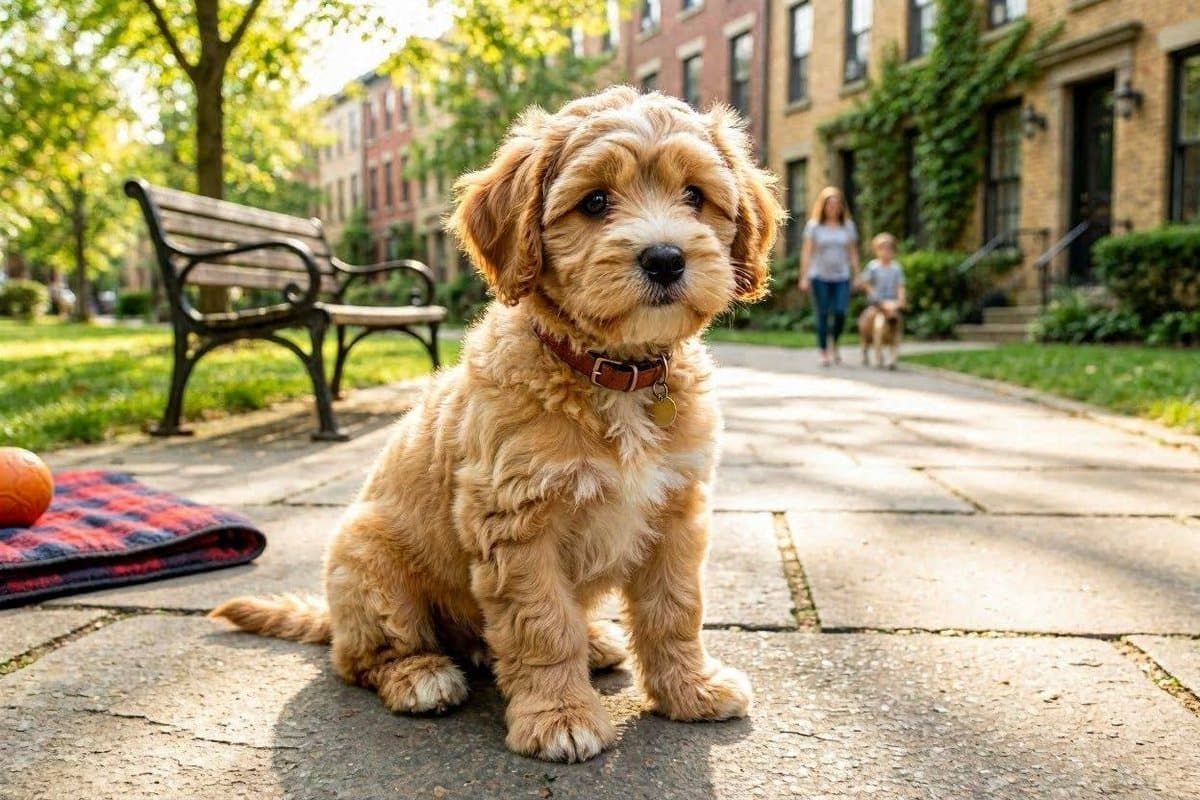
Cavapoo Breed Guide
Cavapoo (Cavalier × Poodle) temperament, sizes, grooming needs, and health considerations for this gentle, popular designer mix.
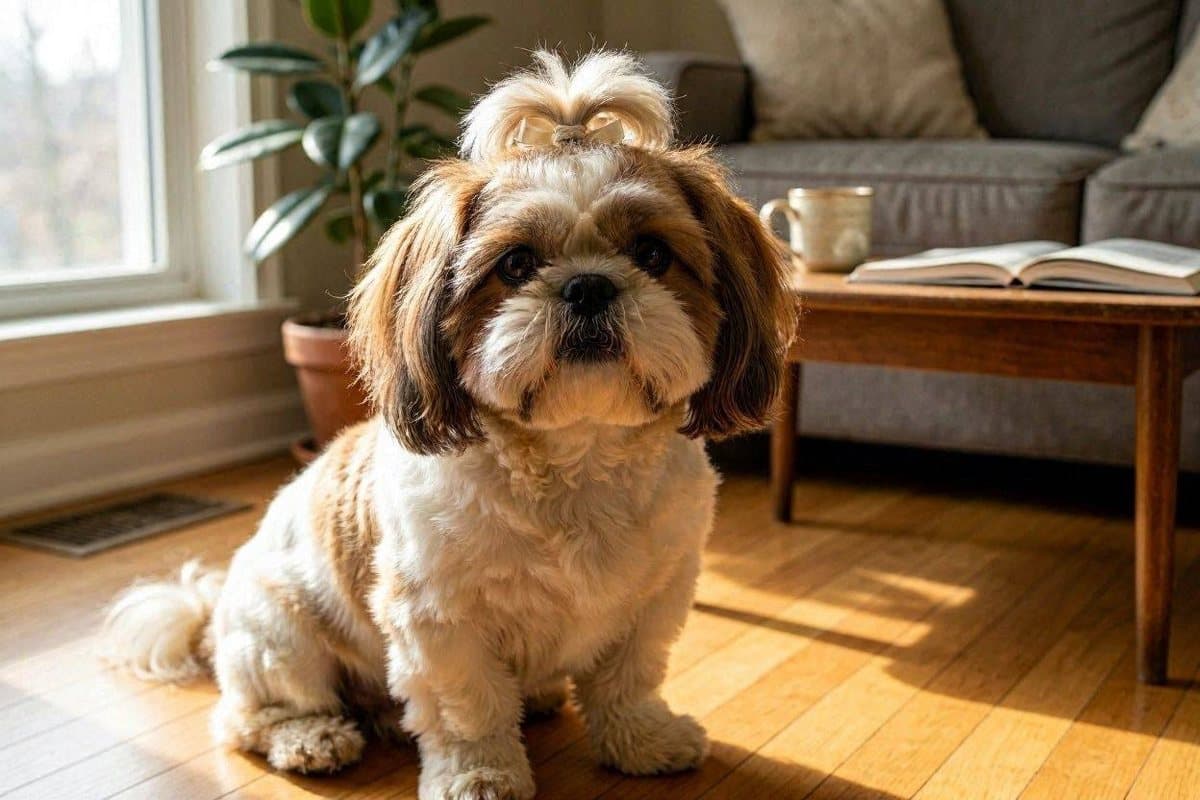
Shih Tzu Breed Guide
Shih Tzu temperament, grooming requirements, exercise needs, and care tips for this affectionate toy breed.
Get one useful pet-care tip a week
No spam, unsubscribe anytime.