 Daily Pet Care Hub
Dachshund Breed Guide
By Pet Mama · Published 2025-02-27 · Updated 2026-08-31 · 4 min read
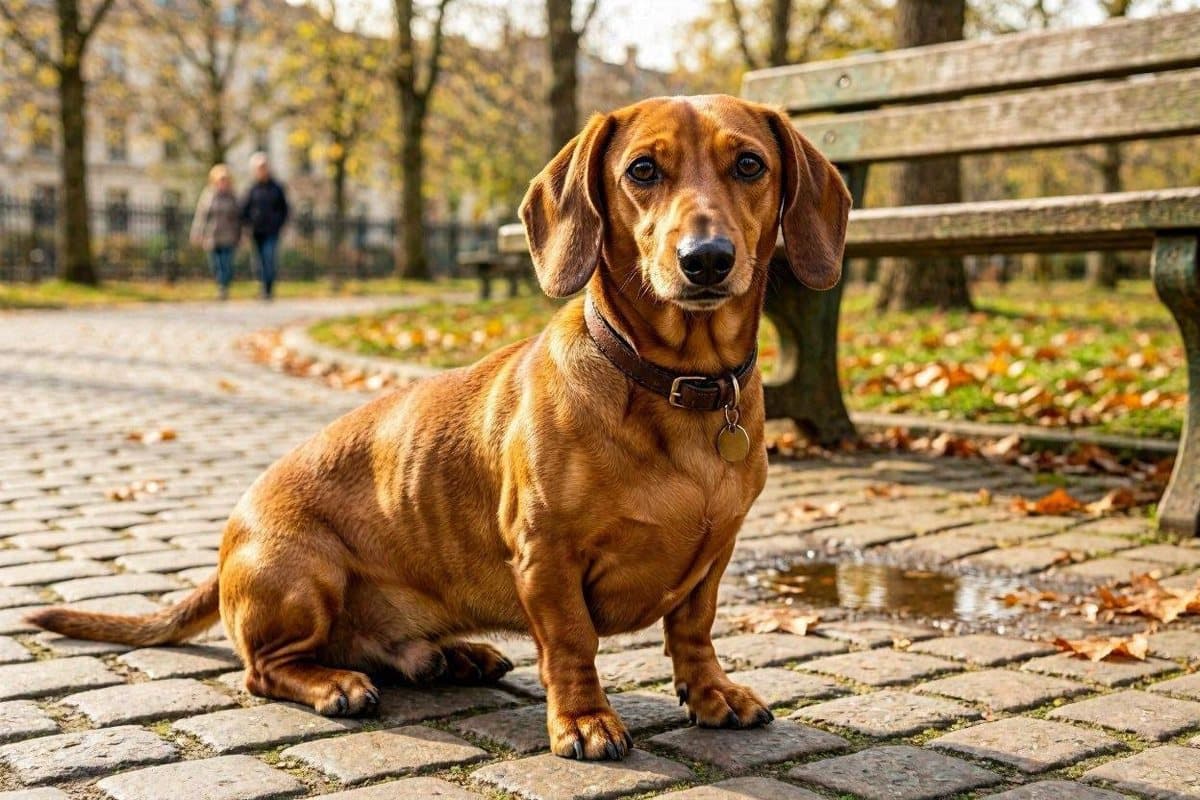
Dachshund at a glance
- Species
- Dog
- Size
- Small (11–32 lbs; miniature & standard)
- Energy
- ●●●●●
- Shedding
- ●●●●●
- Grooming needs
- ●●●●●
- Apartment suitability
- ●●●●●
The Dachshund packs hound bravery, terrier stubbornness, and comedian charm into a long, low body — and that body is the one thing every owner must take seriously. Bred in Germany centuries ago to track and battle badgers underground, this small dog has never once realized it's small.
Origin & History
"Dachshund" translates literally as "badger dog" in German, and the breed's entire build — short legs, deep chest, powerful shoulders, a nose built for tracking — was engineered for tunneling after badgers and flushing other burrowing prey. Standard-size Dachshunds went underground after badgers and boar; the smaller miniature variety came later for rabbit and rodent work. Three coat types emerged along the way — smooth, longhaired, and wirehaired — suited to slightly different terrain. That hunting history explains a lot about the dog on your couch today: the digging, the fearless bark at anything unfamiliar, and the refusal to back down from dogs five times their size.
Temperament
Bold, curious, and devoted — often to one favorite person. Bred to face badgers underground, they fear nothing, announce everything, and hold opinions about most household decisions. They're loving, often comedic companions with a mischievous streak, and can be wary or standoffish with strangers until properly introduced.
The Back: Rule Number One
Roughly 1 in 4 Dachshunds experiences intervertebral disc disease (IVDD) at some point, a direct consequence of that long spine and short rib cage. Protect the spine from day one:
- Ramps instead of stairs and furniture jumps
- No rough tug-of-war or lifting by the front legs
- Support chest and rear whenever you pick them up
- Keep them lean — extra weight is the single biggest modifiable risk factor
Any sudden wobbliness, reluctance to jump, dragging of the back legs, or yelping in pain is a same-day vet visit, not a wait-and-see situation.
Exercise Needs
Moderate: two decent walks plus play daily keeps a Dachshund satisfied without inviting boredom-driven digging or barking. They love sniffing expeditions — that hound nose never turns off — and will happily excavate a flower bed given the chance. Exercise also keeps weight down, which protects the back; with this breed, fitness and spinal health are the same conversation.
Training Notes
Clever but independent; "what's in it for me?" is basically the breed motto. Short, food-driven positive reinforcement sessions work far better than repetition or corrections. House training is notoriously slow — Dachshunds combine stubbornness with small bladders — so follow a house-training schedule strictly and expect a longer timeline than with most breeds.
Grooming
Smooth coats need minimal care — a weekly wipe-down and occasional bath. Longhaired coats want brushing two to three times weekly to prevent mats, especially around the ears and legs. Wirehaired coats benefit from periodic hand-stripping to maintain texture. Across all three varieties, routine nail trimming matters more than usual, since overly long nails change how a Dachshund stands and walks, adding stress to that vulnerable spine.
Living With Kids & Other Pets
Dachshunds can do well with children who understand gentle handling, but their fragile spine makes them a poor match for toddlers who might drop, squeeze, or fall on them — supervise closely and teach kids the "no picking up" rule early. With other dogs and cats, Dachshunds generally do fine when raised together, though their terrier-hound heritage means a strong prey drive around small, fast-moving animals like hamsters or rabbits. Two Dachshunds together are a common and happy combination; they enjoy canine company on their own terms.
Feeding & Weight Management
Because obesity is the single biggest controllable threat to a Dachshund's back, portion control matters more here than in almost any other breed. Measured meals (not free-feeding), limited table scraps, and a body-condition check every few weeks — you should be able to feel ribs without pressing hard — go a long way toward keeping the spine protected for life. Treats should be small and factored into the daily total, especially since this breed will happily convince you it's starving at every opportunity.
Is a Dachshund Right for You?
Wonderful for owners wanting a small, funny, deeply devoted companion who are willing to enforce back safety and food discipline for the dog's entire life. Think twice if your home is stair-heavy, you have young kids who might rough-house, or you're hoping for instant obedience — this breed negotiates everything.
Frequently Asked Questions
Why can't Dachshunds use stairs and jump on couches?
Their long spine is prone to IVDD (disc disease) — jumping and stairs multiply the risk. Use ramps, carry them when possible, and keep them lean.
Are Dachshunds hard to house train?
They're famously slow — stubbornness plus small bladders. A strict schedule and generous rewards work, eventually. Patience required.
Do Dachshunds bark a lot?
Yes — they're vigilant little hounds with a surprisingly big voice. Training helps; expecting silence doesn't.
Related Guides
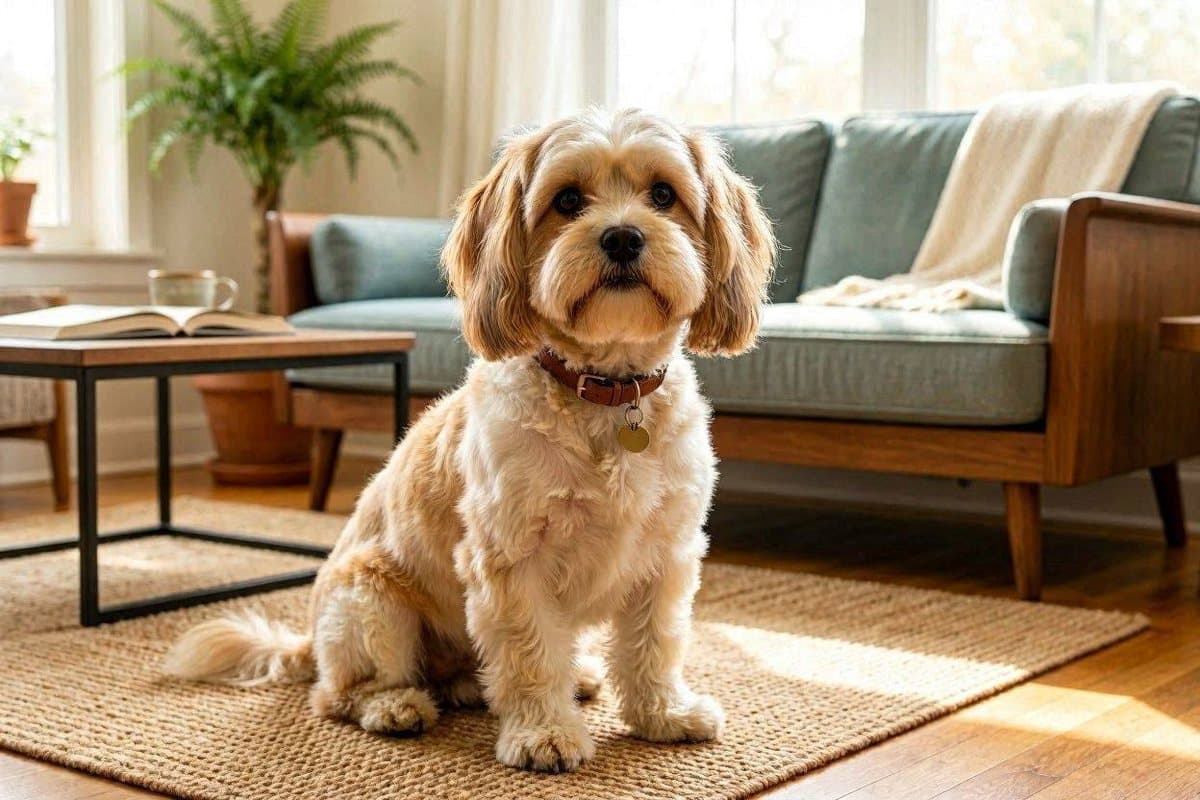
Havanese Breed Guide
Havanese temperament, grooming needs, trainability, and why Cuba's national dog excels in apartments and with first-time owners.

Cavapoo Breed Guide
Cavapoo (Cavalier × Poodle) temperament, sizes, grooming needs, and health considerations for this gentle, popular designer mix.
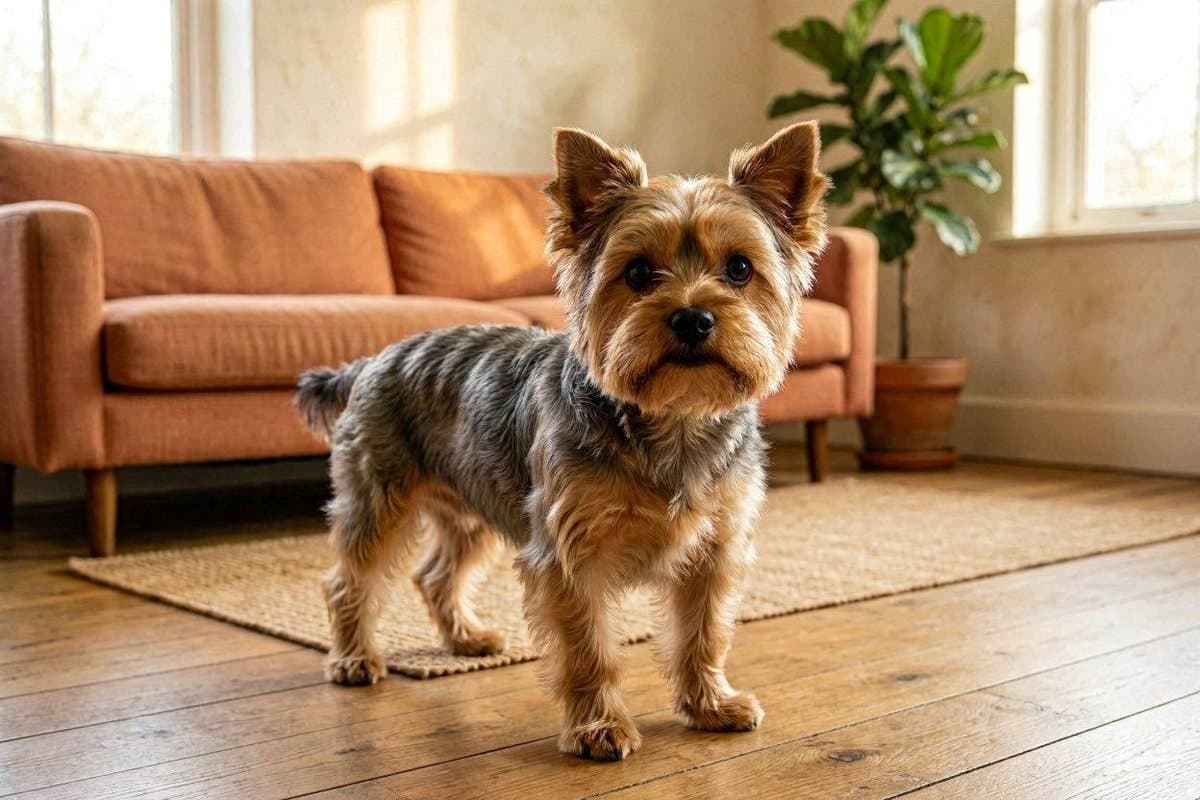
Yorkshire Terrier Breed Guide
Yorkshire Terrier temperament, grooming needs, training tips, and health considerations for this popular toy terrier.
Get one useful pet-care tip a week
No spam, unsubscribe anytime.