 Daily Pet Care Hub
Chihuahua Breed Guide
By Pet Mama · Published 2025-09-12 · Updated 2026-08-31 · 3 min read
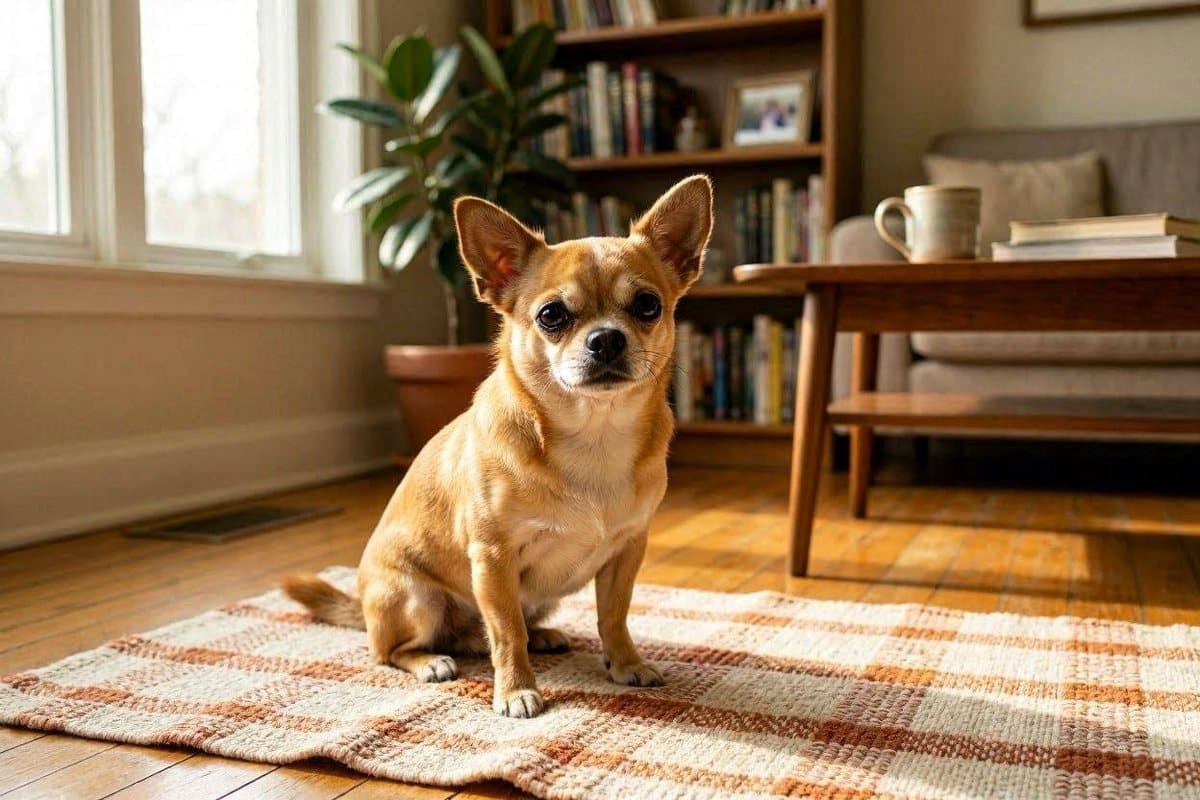
Chihuahua at a glance
- Species
- Dog
- Size
- Toy (3–7 lbs)
- Energy
- ●●●●●
- Shedding
- ●●●●●
- Grooming needs
- ●●●●●
- Apartment suitability
- ●●●●●
The Chihuahua is the world's smallest dog carrying one of its largest personalities — devoted, opinionated, and utterly convinced of its own size.
Origin & History
The Chihuahua takes its name from the Mexican state where American tourists first encountered the breed in the 1850s. Most breed historians trace its roots to the Techichi, a small companion dog kept by the Toltec civilization in Mexico centuries before the Aztecs rose to power, though there's debate over how much European toy-breed influence, brought later by Spanish colonists, shaped the tiny size and coat types seen today. The AKC recognized the Chihuahua in 1904, and it's remained one of the most recognizable toy breeds ever since. Two coat varieties exist under the same breed standard, smooth and long, and both come in a huge range of colors and patterns — there's essentially no "wrong" look for a Chihuahua as long as the size and proportions fit the standard.
Temperament
Fiercely loyal, often to one person in particular, with a bold streak that borders on comedy for a dog this size. Well-socialized Chihuahuas are charming, confident companions; under-socialized ones become the yappy, snappy stereotype the breed is unfairly known for. The difference is almost entirely down to early socialization work — exposure to new people, sounds, and situations while young. Despite the tiny frame, Chihuahuas often show surprising courage — sometimes to the point of taking on dogs many times their size, which is exactly why supervision matters as much as socialization.
Exercise Needs
Modest in distance, real in importance: short daily walks plus indoor play. Their legs are tiny but their brains need the sniffing time and mental engagement a walk provides. In cold weather they genuinely need a coat — a body this small loses heat fast, so shivering isn't drama, it's physics.
Training Notes
Smart and trainable, but two traps await new owners: "small dog syndrome," where training gets skipped because misbehavior seems cute at four pounds, and difficult house training, thanks to a tiny bladder paired with a stubborn streak — follow a structured schedule closely. Treat a Chihuahua like a real dog with real training expectations, and you get a real dog's manners in return.
Grooming
Minimal either way: smooth-coated Chihuahuas need a weekly wipe-down, while the longhaired variety needs a quick brush two to three times weekly. Prioritize dental care — the breed's small jaw crowds teeth together, and dental disease is this breed's single most common health problem.
Health Considerations
- Patellar luxation — a loose kneecap common in toy breeds
- Tracheal collapse — use a harness, never a collar, for walks
- Hypoglycemia in puppies, since tiny bodies burn through blood sugar fast
- Dental disease, driven by overcrowded teeth
- Mitral valve disease, a heart condition that shows up more often in small breeds as they age
- Molera — many Chihuahuas keep a soft spot on the skull into adulthood, similar to a human infant's fontanelle; it rarely causes problems but is worth knowing about and protecting from trauma
Handle with care around furniture heights and larger dogs — physical fragility, not temperament, is the real safety issue with this breed. Chihuahuas are also one of the longest-lived dog breeds, with 14–17 years common. Routine vet checkups matter just as much for a dog this size as for a giant breed — small bodies can hide problems like heart murmurs or dental infection until they're fairly advanced.
Living With Kids & Other Pets
Chihuahuas do best with older, gentle children who understand how to handle a small, fragile dog — rough handling from young kids can make them defensive or snappish. With other pets, they generally do fine with calm, similarly sized companions, but introductions to large, boisterous dogs need real supervision given the size mismatch.
Is a Chihuahua Right for You?
Perfect for apartment dwellers and devoted owners wanting a long-lived, portable, deeply attached companion — who commit to training and socializing it like a big dog.
Frequently Asked Questions
Why do Chihuahuas shake?
Usually cold (tiny bodies lose heat fast), excitement, or nerves. Constant trembling with lethargy deserves a vet check.
Are Chihuahuas good with kids?
Better with older, gentle children. Their tiny frame is fragile, and rough handling makes them defensive — supervision is essential.
How long do Chihuahuas live?
14–17 years is common, among the longest of any breed. It's a two-decade commitment in a two-kilogram package.
Related Guides
Havanese Breed Guide
Havanese temperament, grooming needs, trainability, and why Cuba's national dog excels in apartments and with first-time owners.
Cavapoo Breed Guide
Cavapoo (Cavalier × Poodle) temperament, sizes, grooming needs, and health considerations for this gentle, popular designer mix.
Yorkshire Terrier Breed Guide
Yorkshire Terrier temperament, grooming needs, training tips, and health considerations for this popular toy terrier.
Get one useful pet-care tip a week
No spam, unsubscribe anytime.