 Daily Pet Care Hub
Russian Blue Cat Breed Guide
By Pet Mama · Published 2025-01-15 · Updated 2026-08-31 · 4 min read
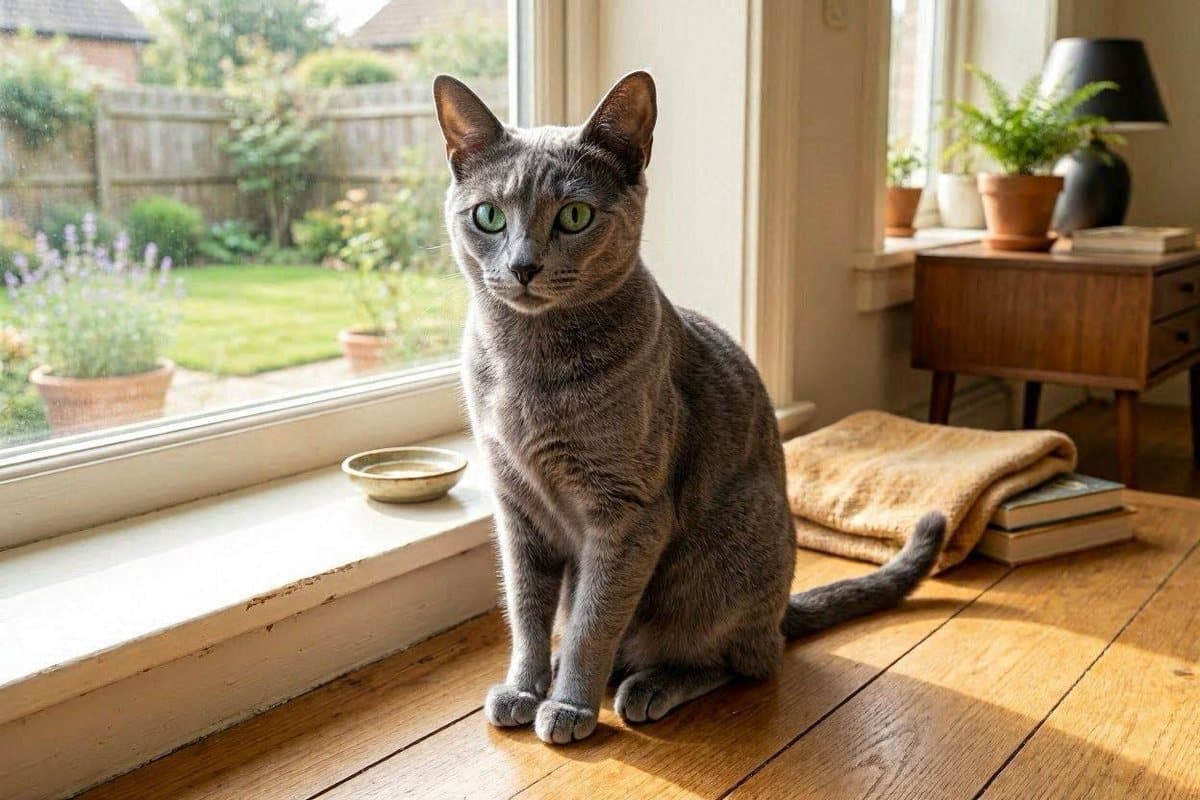
Russian Blue Cat at a glance
- Species
- Cat
- Size
- Medium (7–12 lbs)
- Energy
- ●●●●●
- Shedding
- ●●●●●
- Grooming needs
- ●●●●●
- Apartment suitability
- ●●●●●
The Russian Blue is quiet elegance in a silver-blue coat: gentle, loyal, and famously well-mannered.
History & Origin
The breed's roots trace to the port of Arkhangelsk in northern Russia, which is why it's sometimes called the "Archangel Blue." Sailors are believed to have carried the cats to England and northern Europe in the 1860s, where breeders developed the elegant, short-coated blue cat into a recognized breed. The population nearly disappeared during World War II, and today's Russian Blues descend largely from careful rebuilding efforts by British and Scandinavian breeders in the postwar decades.
Distinctive Looks
The breed's signature feature is its coat: short, dense, and plush enough to stand out from the body rather than lie flat, with silver tipping on each hair that creates a shimmering effect in sunlight. Bright green eyes and a slightly upturned "smiling" mouth expression add to the elegant look. Unlike many pedigreed breeds, Russian Blues only come in one color — the solid blue-gray that gives them their name — which makes them instantly recognizable.
Temperament & Personality
Sweet and softly-spoken with a distinct reserve around strangers. With their own family they're affectionate and playful, often shadowing a favorite person from room to room. They dislike chaos and appreciate routine — mealtimes especially — and tend to be sensitive to tension or upheaval in the household. Give a Russian Blue a predictable schedule and a quiet corner to retreat to, and you'll see a genuinely devoted, good-humored companion emerge once the initial shyness wears off. They're also notably fastidious — quick to notice a dirty litter box or a moved piece of furniture — and tend to thrive on consistency more than any other trait.
Exercise & Play Needs
Moderate: they enjoy wand-toy hunts, climbing perches, and puzzle feeders, then settle into long serene naps. Their intelligence rewards clicker training and food puzzles, and many Russian Blues will happily learn simple tricks or fetch small toys. A few short, focused play sessions a day is usually enough to keep them satisfied — they're not a breed that demands constant entertainment.
Grooming & Shedding
Wonderfully easy: the short, dense double coat needs only weekly brushing and sheds lightly year-round, with a slightly heavier shed during seasonal coat changes. Combined with lower allergen levels, this makes them a top pick for sensitive households and owners who don't want fur on every surface. Routine nail trims and dental care round out their care — there's no mat risk and no specialty grooming tools required.
Health & Lifespan
A robust, healthy breed with a typical lifespan of 15 to 20 years — among the longest-lived of the popular cat breeds. The main risk is obesity: Russian Blues love food and campaign convincingly for extras, and their thick coat can hide early weight gain. Measure meals rather than free-feeding, and see our nutrition guide for portion guidance. Beyond weight management, there are no major breed-specific hereditary conditions to screen for, which is part of why the breed has such a strong reputation for longevity.
Living With Kids & Other Pets
Russian Blues do best in calm, considerate households. They can bond well with gentle children and get along with other cats, especially when introductions are slow and respectful — our introducing pets guide has tips that apply to multi-cat introductions too. They're less enthusiastic about rowdy dogs, loud toddlers, or a constant stream of visitors, and may simply vanish to a quiet room until things settle down.
Is a Russian Blue Right for You?
Excellent for calm apartments, allergy-conscious owners, and anyone wanting a gentle, low-maintenance companion with quiet devotion. The coat care is minimal, the shedding is light, and the temperament is steady once they trust you. Less ideal for loud, busy, guest-filled homes, or owners hoping for an instantly outgoing, lap-hopping cat from day one — with a Russian Blue, that affection is earned slowly and repaid generously. Give them time to settle into a new home, and don't be discouraged if they hide from visitors for the first few weeks; that's simply how the breed evaluates whether a place is truly safe. For a comparison against another quiet, low-shedding breed, see our British Shorthair guide.
Frequently Asked Questions
Are Russian Blues good for allergy sufferers?
They're often better tolerated — they shed lightly and may produce less Fel d 1 allergen — but no cat is truly hypoallergenic. Spend time with one before committing.
Are Russian Blues shy?
Reserved with strangers, devoted to their family. They typically pick their people and observe guests from a safe distance.
Do Russian Blues do well with other cats?
Usually, especially when raised together or introduced slowly. They're less enthusiastic about boisterous dogs or chaotic multi-pet homes.
Related Guides
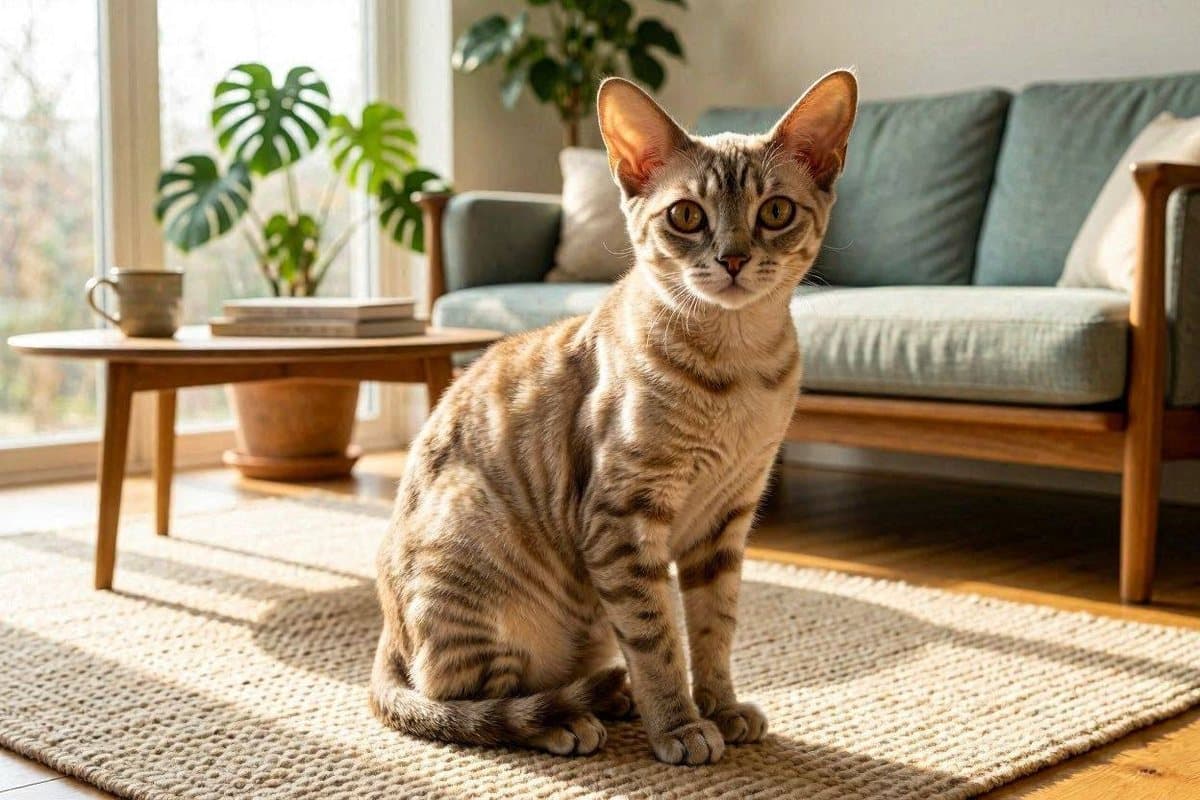
Devon Rex Cat Breed Guide
Devon Rex temperament, curly coat care, warmth needs, and health considerations for this playful, people-obsessed breed.
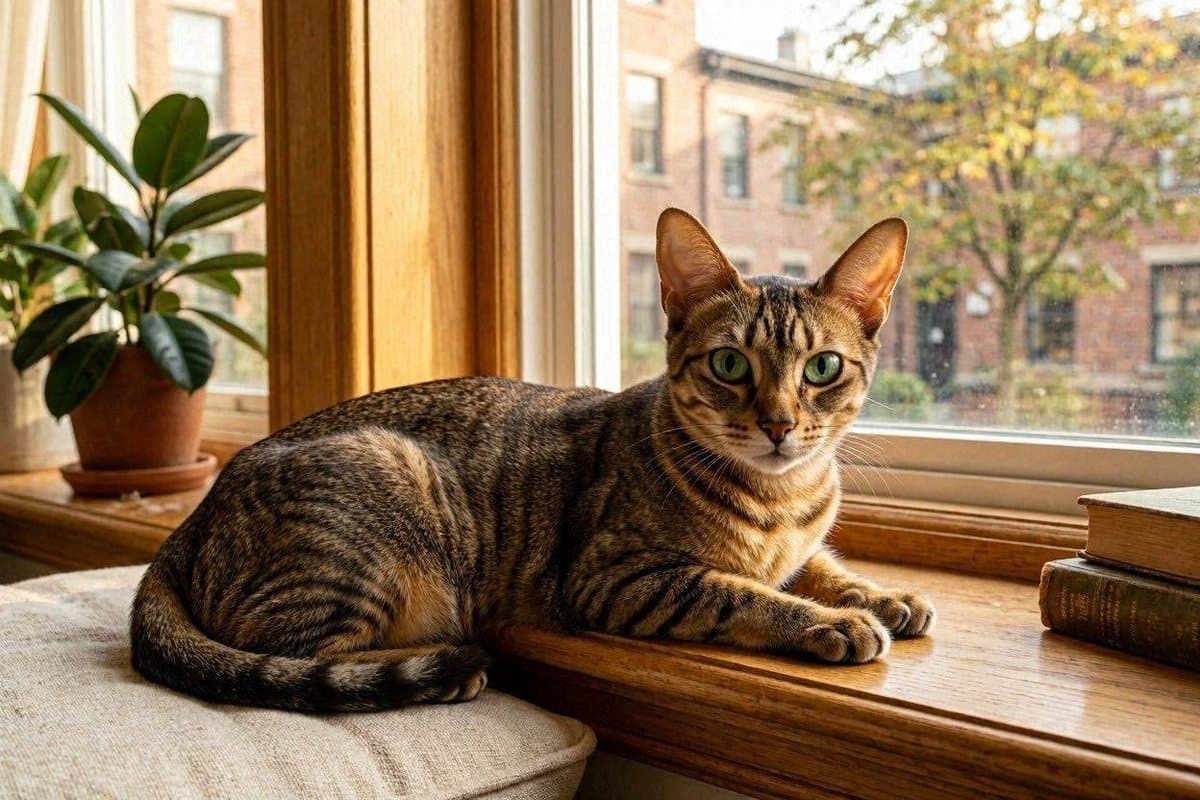
Oriental Shorthair Cat Breed Guide
Oriental Shorthair temperament, vocal social nature, grooming, and care for this elegant, people-obsessed Siamese cousin.
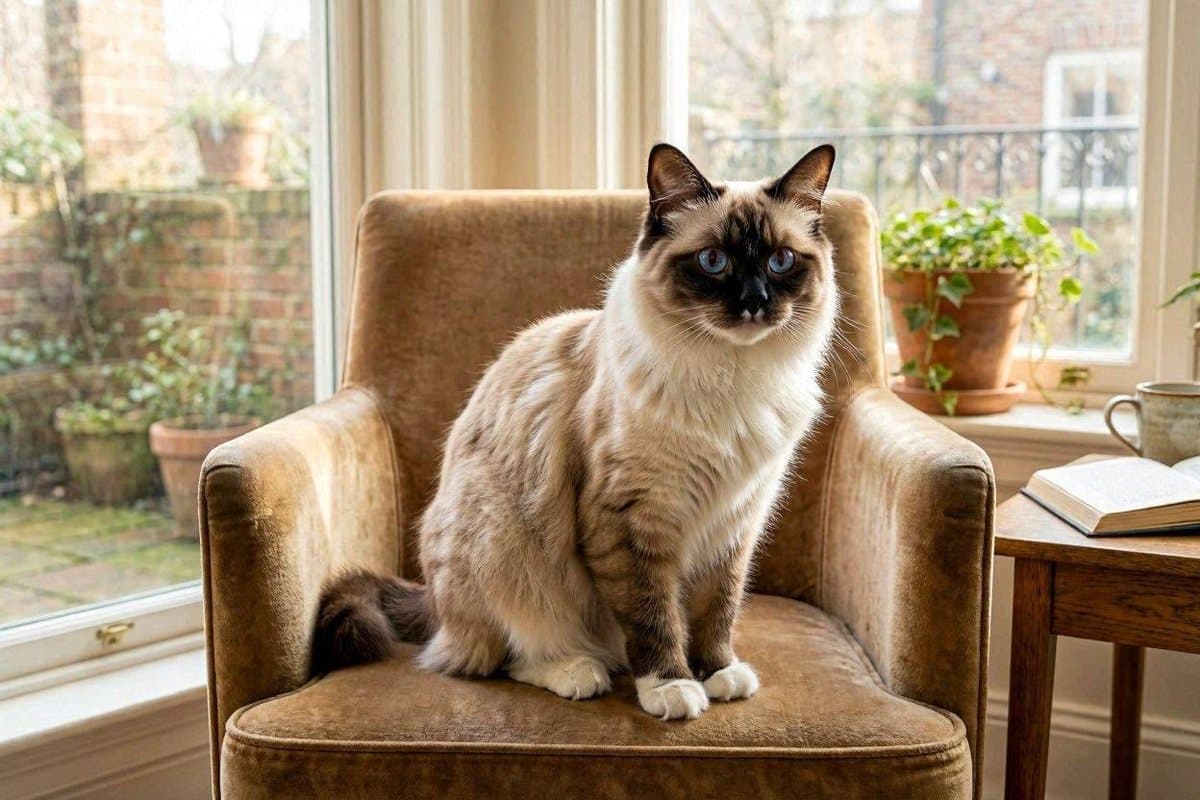
Birman Cat Breed Guide
Birman temperament, gentle social nature, silky coat care, and health considerations for this blue-eyed, white-gloved breed.
Get one useful pet-care tip a week
No spam, unsubscribe anytime.