 Daily Pet Care Hub
Oriental Shorthair Cat Breed Guide
By Pet Mama · Published 2025-12-27 · Updated 2026-08-31 · 3 min read
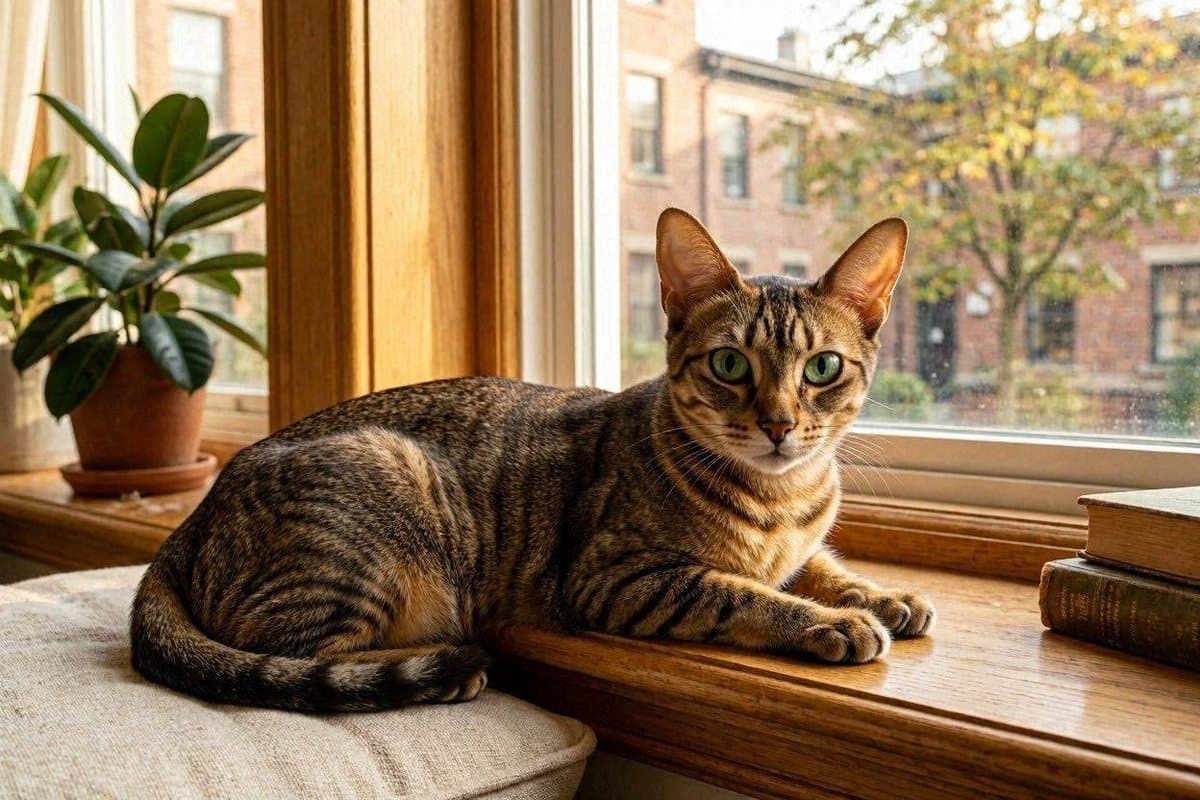
Oriental Shorthair Cat at a glance
- Species
- Cat
- Size
- Medium (5–12 lbs)
- Energy
- ●●●●●
- Shedding
- ●●●●●
- Grooming needs
- ●●●●●
- Apartment suitability
- ●●●●●
The Oriental Shorthair is a Siamese wearing every color in the catalog: the same sleek architecture, laser intelligence, and opinionated voice — in 300+ coats and patterns, usually with brilliant green eyes instead of Siamese blue.
Origin & History
Oriental Shorthairs were developed in Britain in the 1950s and 60s, when breeders crossed Siamese with domestic shorthairs and other breeds to expand the color palette beyond the traditional pointed pattern while keeping the svelte Siamese body and personality intact. The result was recognized as its own breed in the 1970s — essentially a Siamese in nearly any coat color imaginable, from solid ebony to tabby to tortoiseshell. Today it remains one of the most visually diverse breeds any registry recognizes, even though every Oriental is, underneath the coat, a Siamese in build, voice, and temperament.
Temperament
Everything we wrote about the Siamese applies at full volume: intensely social, conversational, and bonded to their people like a shadow with opinions. Orientals ride shoulders, supervise cooking, answer questions in a raspy running commentary, and grieve genuinely when ignored. They pick a favorite person and follow them from room to room, sometimes door to door. Loneliness is their kryptonite — a bonded pair, or an owner who's home most of the day, suits them best.
Activity & Enrichment
High energy and high intellect combine to make this one of the most active breeds around. Daily interactive hunts with a wand toy, climbing territory, puzzle feeders, and training games keep them satisfied — fetch is practically factory-installed, and many Orientals will drop a ball back at your feet for another throw. A bored Oriental redecorates loudly: knocked-over items, opened cabinets, and a running vocal complaint until the boredom is addressed.
Grooming & Shedding
Effortless by cat standards: the fine, short coat needs only a weekly hand-groom or soft rubber mitt to stay glossy, and sheds lightly year-round with no major seasonal blowout. Their thin coat and lean frame mean they run cold — expect a committed blanket burrower who claims every sunbeam and heating vent in the house.
Health Considerations
Shares Siamese-family watchpoints: dental disease is common across the breed family, so start brushing early; amyloidosis (a hereditary organ disease) appears in some lines; crossed eyes and mild respiratory sensitivity turn up occasionally; and because they're a lean breed by design, weight needs monitoring in both directions — too thin can signal illness, too heavy strains a frame built for slimness. Well-bred Orientals commonly live 15 years or more, with many reaching their late teens.
Feeding Notes
Orientals burn through calories with all that activity, but their lean body type means portion control still matters — free-feeding a breed this food-motivated and clever tends to end with a cat who's learned to open the pantry. A measured schedule of two to three meals a day, split between a quality wet and dry diet, works well for most. Fresh water in multiple spots around the house is worth the effort too, since some Orientals prefer drinking from a moving source like a fountain over a still bowl.
Living With Kids & Other Pets
Orientals generally do well in busy households — they enjoy the activity and attention that comes with kids, and their playful, dog-like nature makes them good sports for gentle handling. With other pets, they tend to appoint themselves social director and get along particularly well with equally active cats or cat-friendly dogs. What they don't tolerate well is being the only living creature in a quiet house all day.
Is an Oriental Right for You?
For someone home a lot — or committed to adopting a pair — who wants a devoted, hilarious, endlessly conversational companion in a designer coat, few cats offer more relationship per pound. They're not a background pet; they're a full participant in household life. Quiet-household seekers who want a more independent, low-conversation cat should look at the Russian Blue instead.
Frequently Asked Questions
How is an Oriental Shorthair different from a Siamese?
Same body, brain, and voice — but where Siamese come only in pointed colors with blue eyes, Orientals come in 300+ colors and patterns, usually with green eyes.
Are Oriental Shorthairs okay as only pets?
Only if you're home most of the time. These are among the most company-dependent cats — a bonded pair is the standard recommendation for working households.
Related Guides
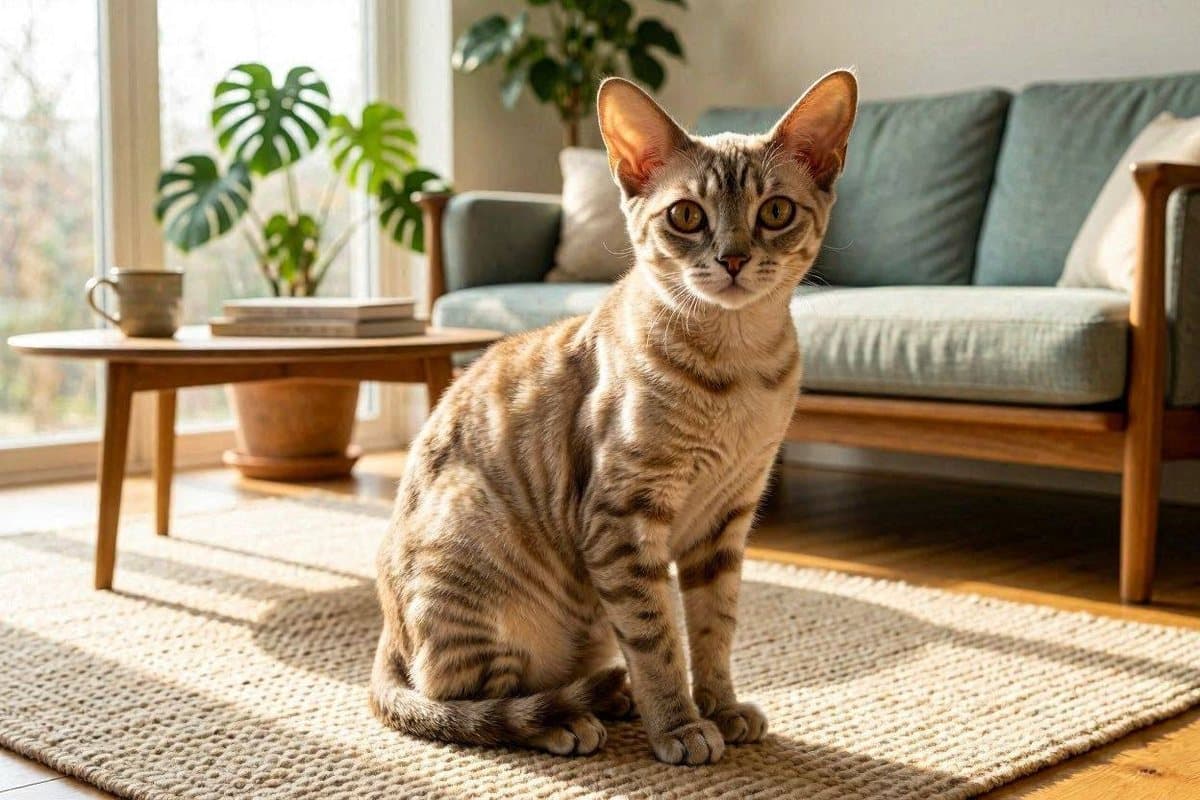
Devon Rex Cat Breed Guide
Devon Rex temperament, curly coat care, warmth needs, and health considerations for this playful, people-obsessed breed.
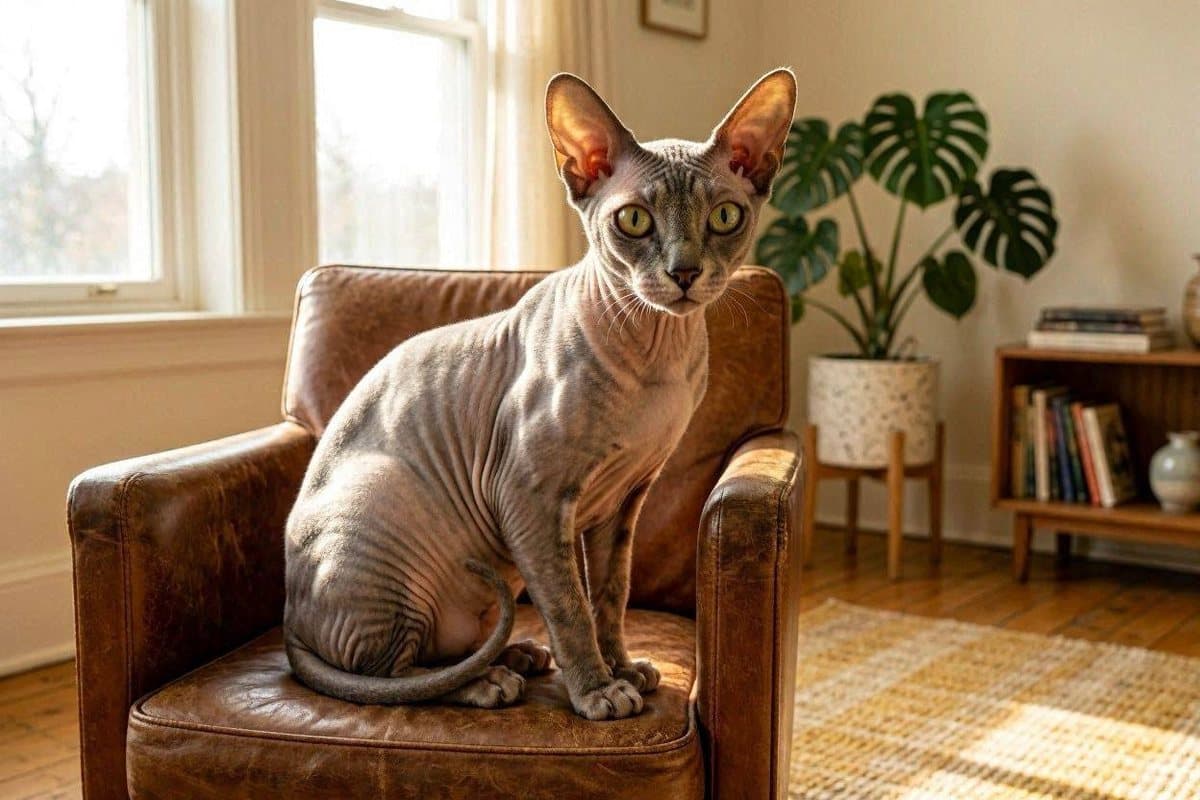
Sphynx Cat Breed Guide
Sphynx cat temperament, skin care routine, warmth needs, and health considerations for the famous hairless breed.
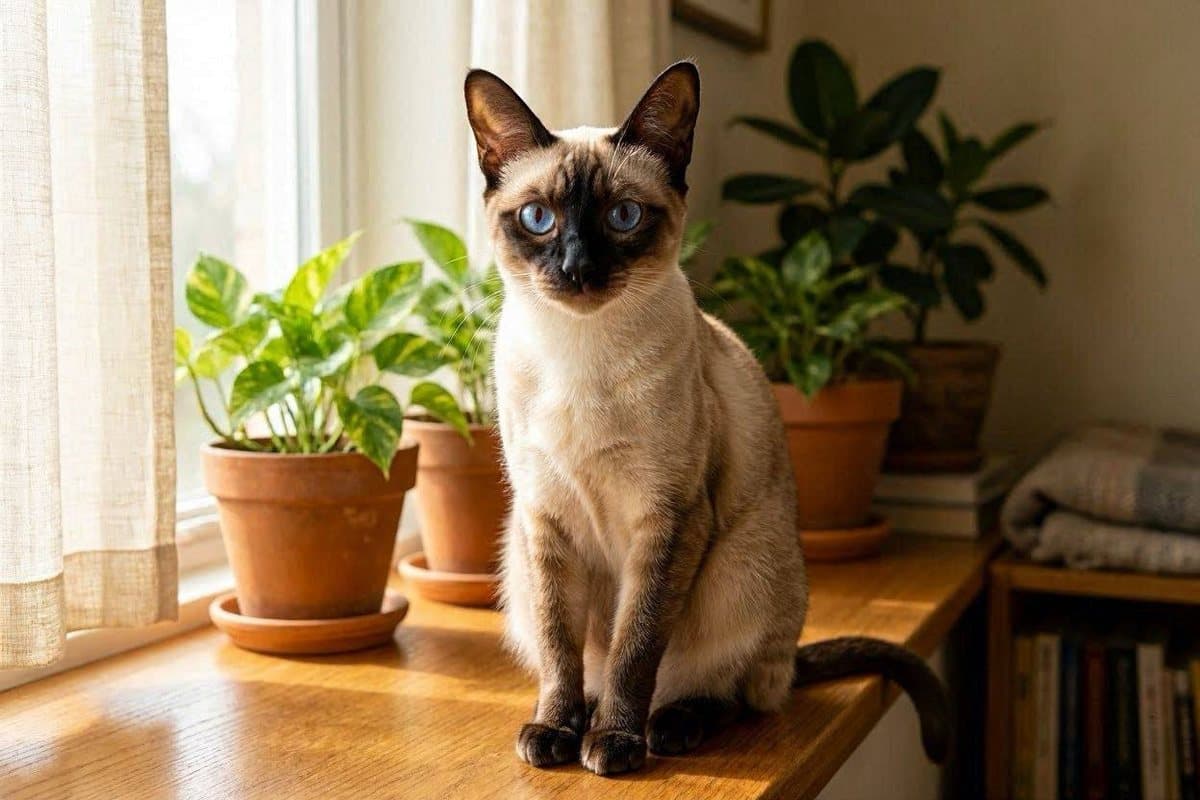
Siamese Cat Breed Guide
Siamese cat temperament, vocalization, social needs, and care tips for one of the most people-oriented cat breeds.
Get one useful pet-care tip a week
No spam, unsubscribe anytime.