 Daily Pet Care Hub
Devon Rex Cat Breed Guide
By Pet Mama · Published 2025-10-20 · Updated 2026-08-31 · 3 min read
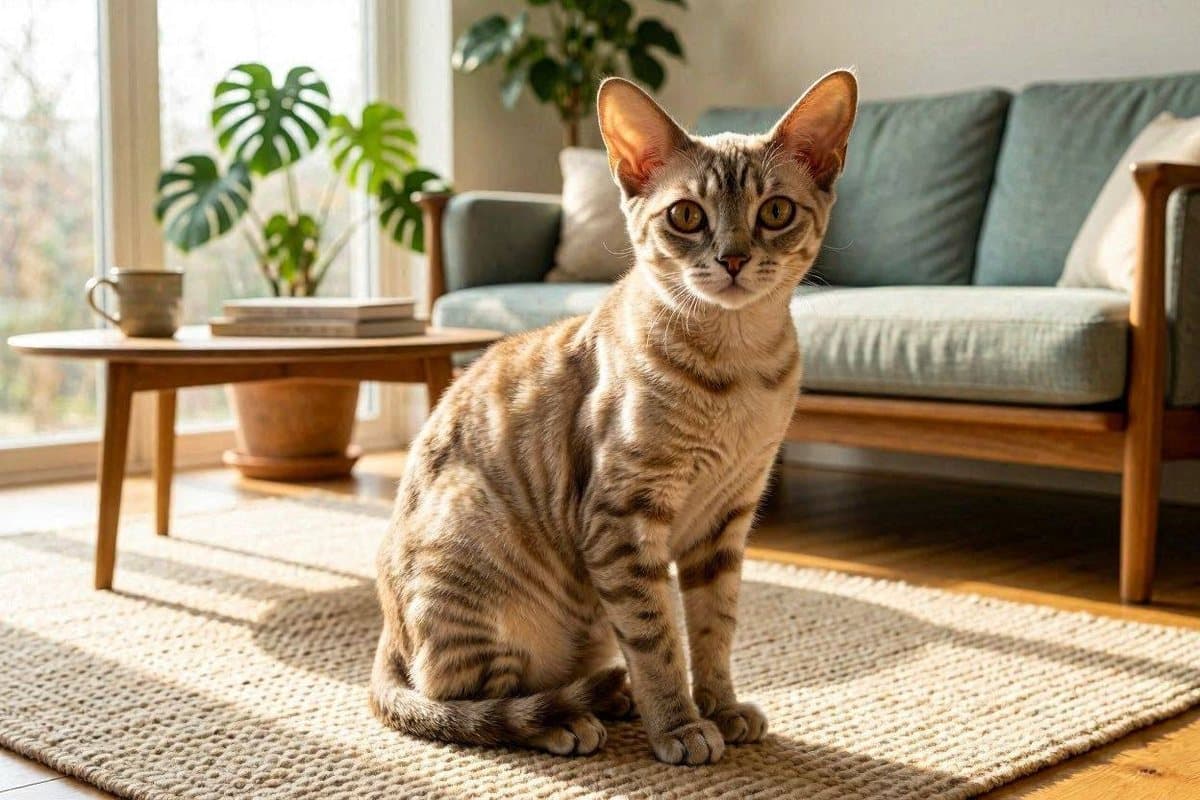
Devon Rex Cat at a glance
- Species
- Cat
- Size
- Small–Medium (5–10 lbs)
- Energy
- ●●●●●
- Shedding
- ●●●●●
- Grooming needs
- ●●●●●
- Apartment suitability
- ●●●●●
The Devon Rex is a pixie in a crushed-velvet coat — huge ears, impish face, and a personality equal parts monkey, dog, and heat-seeking missile.
Origin & History
The breed began in 1960 in Devon, England, when a curly-coated stray tomcat fathered a litter that included a wavy-coated kitten named Kirlee. Breeders initially assumed Kirlee was related to the newly discovered Cornish Rex from a neighboring county, but genetic testing showed the two curly coats came from different genes entirely — the Devon Rex is its own distinct mutation. From that single kitten, breeders built out a breed defined as much by its elfin, big-eared face and mischievous temperament as by its unusual coat.
Temperament
Relentlessly social and playful: Devons ride shoulders, greet guests at the door, learn tricks, and insert themselves into every activity in the house, from folding laundry to answering email. They're often called the most dog-like cat after the Sphynx — and like companion breeds everywhere, they genuinely suffer with long solitude. A second pet, or an owner with a flexible schedule, helps enormously.
The Coat
Soft, wavy, and fragile: the thin rex coat needs almost no brushing — gentle hand-grooming or a soft mitt is plenty, since hard brushing breaks the delicate, sparse hairs. It sheds minimally and suits many allergy-sensitive homes better than a full-coated breed, though no cat is truly hypoallergenic. The trade-off is less natural insulation, so warm bedding, sweaters in cold homes, and a cozy spot near a heat source aren't indulgences — they're genuinely needed. Their skin can also get oily in places fur would normally absorb, so an occasional wipe-down keeps things comfortable.
Activity & Enrichment
High: climbing perches, wand-toy hunts, puzzle feeders, and clicker training — Devons learn fetch, sit, and spin with embarrassing speed. Their food obsession makes training almost unfair to other breeds; a few pieces of kibble can teach a Devon an entire trick repertoire in a single afternoon. Leaving one without daily interactive play tends to produce a cat who invents its own — usually noisier — entertainment.
Health Considerations
Screened lines matter for hypertrophic cardiomyopathy (HCM), the most common serious heart condition in cats, and patellar luxation, a kneecap issue that can affect mobility. Ears need regular gentle cleaning since wax accumulates in those oversized satellite-dish ears, and skin folds can trap oil if not wiped down periodically. Their fast metabolism and constant food enthusiasm need portion discipline in both directions — it's easy to either underfeed a cat who's always begging or overfeed one who's very good at convincing you to. Most Devons live 9 to 15 years with attentive care.
Feeding Notes
That fast metabolism means many Devons run a bit warmer and hungrier than an average cat, and their reputation as food thieves is well earned — secure counters, covered trash, and closed cabinet doors are standard equipment in a Devon household. Still, portion control matters: measured meals two or three times a day, rather than a bowl left out all day, keep weight in a healthy range and prevent the constant-begging habit from turning into constant-overeating. A cat this motivated by food is also, conveniently, one of the easiest to train using small treats as rewards.
Living With Kids & Other Pets
Devons tend to be excellent family cats — playful with gentle kids, curious about visitors, and rarely the type to hide when the house gets busy. They usually welcome other cats and cat-friendly dogs enthusiastically, treating a new housemate as one more audience member for their antics, and introductions tend to go smoothly with a patient, gradual approach rather than tossing everyone together on day one.
Is a Devon Rex Right for You?
For someone home often who wants an interactive, low-shedding, endlessly amusing shadow — one of catdom's best-kept secrets. Not for minimalist-contact households, cold apartments without good heating, or unattended charcuterie boards.
Frequently Asked Questions
Are Devon Rex cats good for allergy sufferers?
Their thin, low-shedding coat drops less allergen-carrying hair than most breeds — often better tolerated, though the Fel d 1 allergen itself is still produced.
Why does my Devon Rex steal food?
The breed is a notorious, acrobatic food thief with a fast metabolism. Secure counters, cover plates, and accept that dinner has an audience.
Related Guides
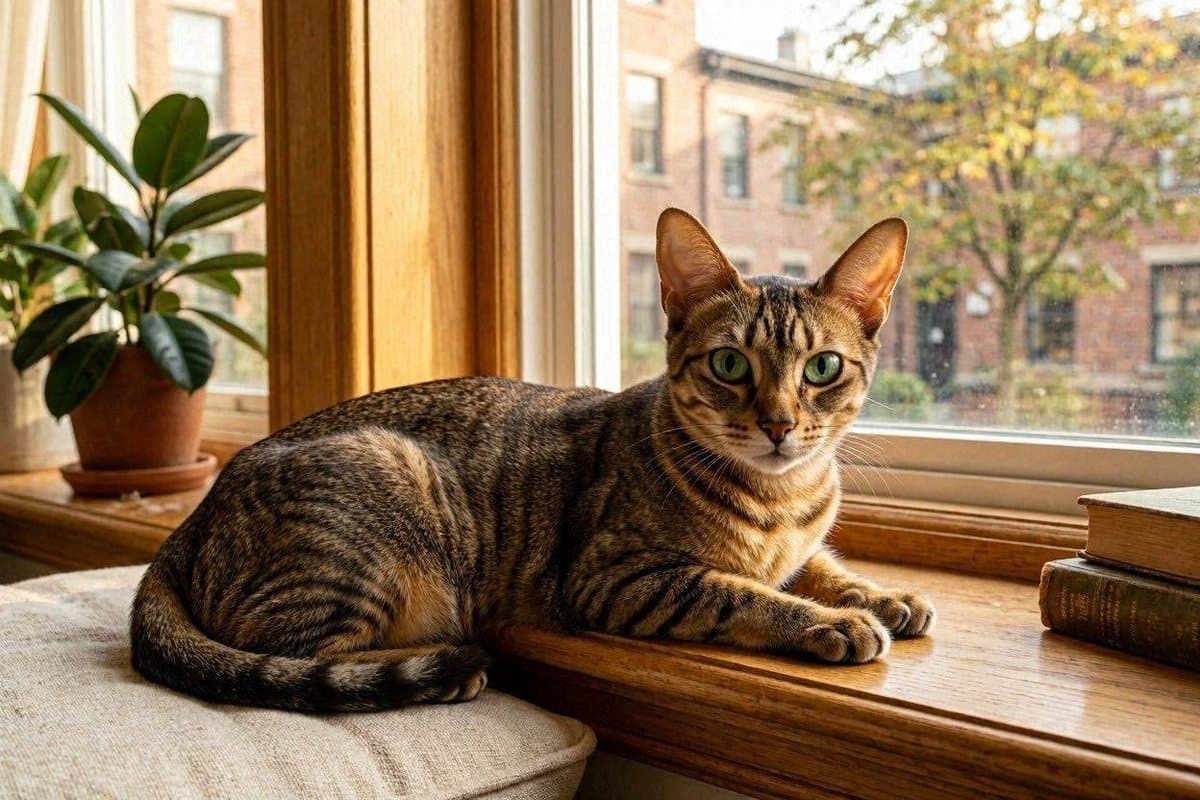
Oriental Shorthair Cat Breed Guide
Oriental Shorthair temperament, vocal social nature, grooming, and care for this elegant, people-obsessed Siamese cousin.
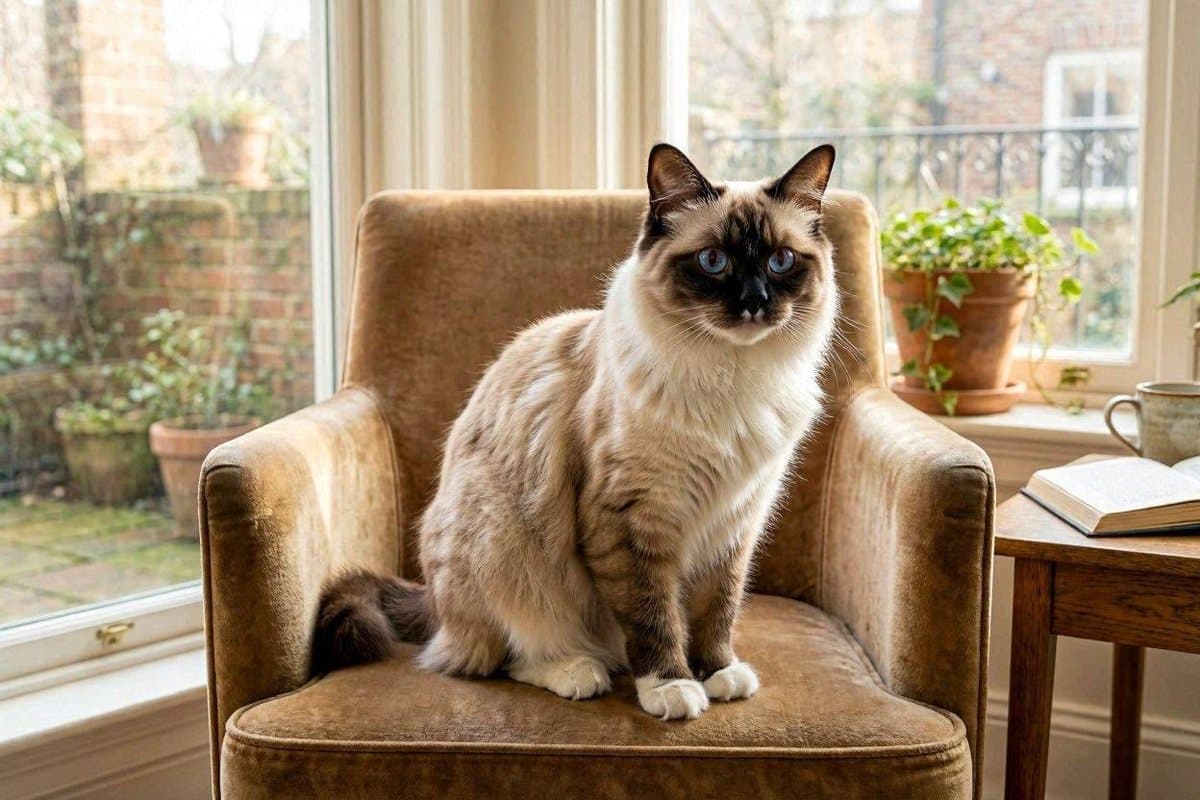
Birman Cat Breed Guide
Birman temperament, gentle social nature, silky coat care, and health considerations for this blue-eyed, white-gloved breed.
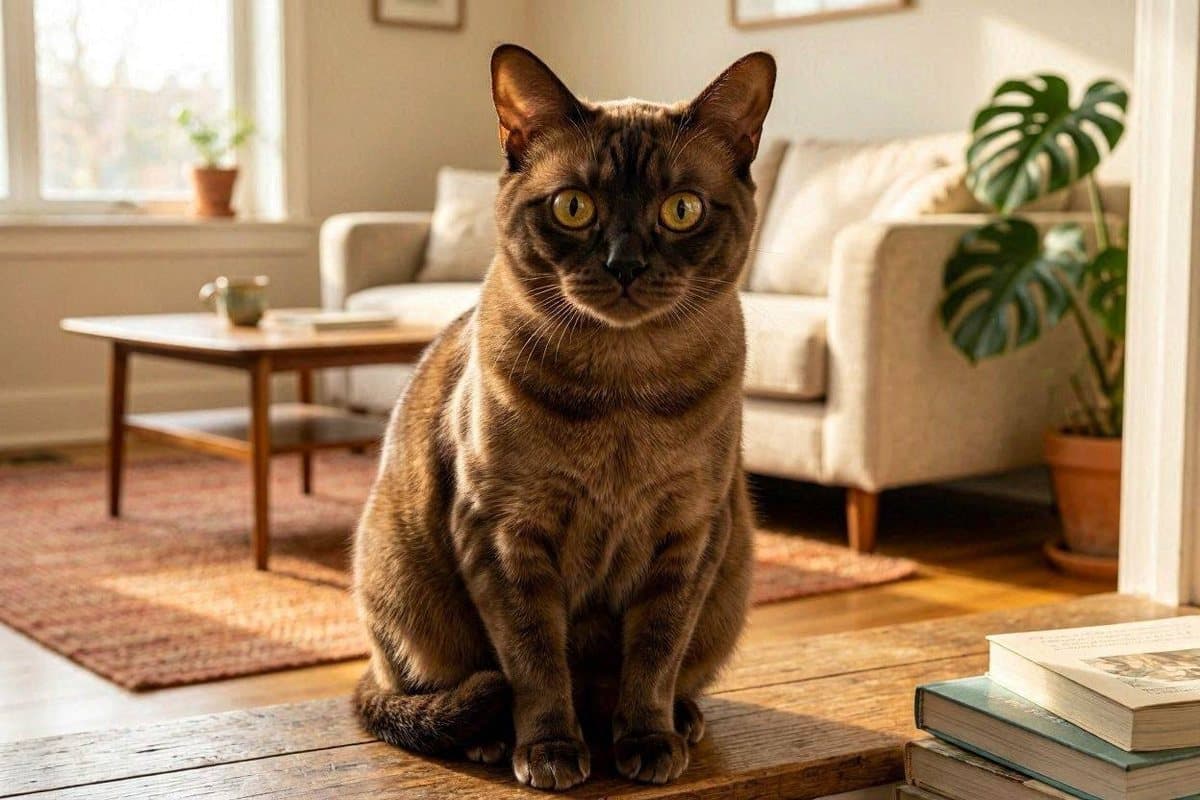
Burmese Cat Breed Guide
Burmese cat temperament, social needs, grooming, and health considerations for this affectionate, playful breed.
Get one useful pet-care tip a week
No spam, unsubscribe anytime.