 Daily Pet Care Hub
Burmese Cat Breed Guide
By Pet Mama · Published 2025-10-17 · Updated 2026-08-31 · 3 min read
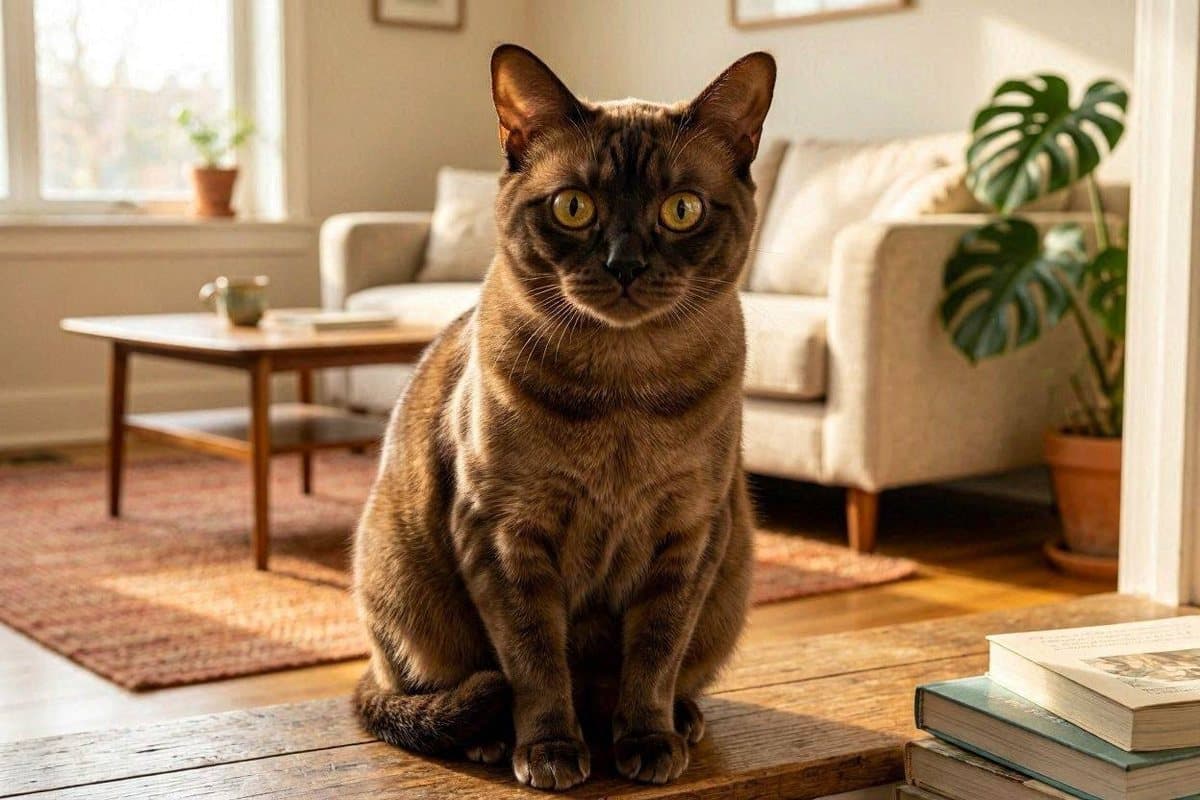
Burmese Cat at a glance
- Species
- Cat
- Size
- Medium (6–12 lbs)
- Energy
- ●●●●●
- Shedding
- ●●●●●
- Grooming needs
- ●●●●●
- Apartment suitability
- ●●●●●
The Burmese is the golden retriever of cats: sturdy, sunny, people-mad, and convinced every lap exists for occupation.
Origin & History
The modern Burmese traces back to a single brown cat named Wong Mau, brought from Burma (now Myanmar) to the United States in the 1930s and bred with Siamese to establish the breed. Early Burmese carried visible Siamese influence, but decades of selective breeding rounded out the head, deepened the coat color, and produced the compact, muscular, "brick wrapped in silk" body the breed is known for today. American and British breeding lines diverged over the decades into slightly different head shapes, but the sociable, sturdy temperament stayed constant on both sides of the Atlantic.
Temperament
Profoundly affectionate and people-oriented: Burmese follow their humans everywhere, supervise chores, charm guests, and stay playful well into old age — this is a breed that never quite outgrows kittenhood. They're gentle with children, sociable with cat-friendly dogs, and — the recurring theme with companion breeds — genuinely unhappy left alone all day. Many owners keep two, and it's a rare Burmese that turns down a nap partner.
Activity & Enrichment
Moderate-plus: kitten-hearted play persists for life, so daily interactive sessions, puzzle feeders, and games keep the velvet brick fit and out of mischief. They learn fetch and simple tricks readily, and their strong attachment to people means they'd rather play with you than alone — solo toys get far less use than anything involving a human on the other end.
Grooming & Shedding
Among the easiest coats in existence: the short satin coat sheds minimally and polishes to a gloss with a weekly rubber-mitt once-over. There's no undercoat to speak of and no seasonal blowout to manage. Their low-maintenance coat plus warm sociability makes them superb apartment cats for owners who want big personality without a big grooming commitment.
Health Considerations
Watch for diabetes, which shows up more often in some Burmese lines than in the general cat population — keep weight lean and measure meals per our nutrition guide; hypokalemia, a treatable potassium disorder in certain bloodlines that's now DNA-testable; and cranial or facial deformities that can appear in poorly bred litters, which is why choosing a careful, health-tested breeder matters. Well-bred Burmese commonly reach 16 to 18 years, making them one of the longer-lived popular breeds.
Feeding Notes
Because diabetes risk runs higher in this breed, feeding deserves more attention than a casual bowl-topping routine. Measured meals rather than free-feeding, a diet appropriate for a muscular, moderately active cat, and regular weight checks all help keep a Burmese in the lean-but-solid condition the breed is built for. Their dense, heavy-for-their-size body can make it easy to underestimate a few extra pounds, so a hands-on rib check now and then is more reliable than eyeballing it.
Living With Kids & Other Pets
Burmese are consistently rated among the best breeds for families — patient with well-behaved children, tolerant of handling, and quick to bond with everyone in the house rather than a single favorite. They typically welcome another cat or a calm, cat-friendly dog, especially since companionship suits their social nature so well, and introductions tend to go smoothly when done at a gradual pace.
Trainability & Voice
Burmese are smart, food-motivated, and eager to please, which makes them easier to train than most cat breeds — many pick up recall, simple tricks, and leash walking with steady, reward-based practice. They're also talkative in a soft, low-key way: less demanding than a Siamese, but happy to answer when spoken to, greet you at the door with a chirp, or narrate what you're doing in the kitchen.
Is a Burmese Right for You?
For anyone wanting a devoted, playful, low-grooming companion who treats humans as the best thing ever invented — hard to beat. This is a breed built for people who want a genuinely present cat, not a decorative one. Between this and a Siamese: pick Burmese for softer voice and denser cuddles, Siamese for drama and nonstop conversation.
Frequently Asked Questions
Why are Burmese called 'bricks wrapped in silk'?
Pick one up: they're startlingly dense and muscular for their size, under a glossy satin coat. The nickname is show-ring tradition and completely accurate.
Are Burmese cats vocal like Siamese?
Related but softer — Burmese converse in a low, sweet rumble rather than the Siamese fog-horn. Chatty, not loud.
Related Guides
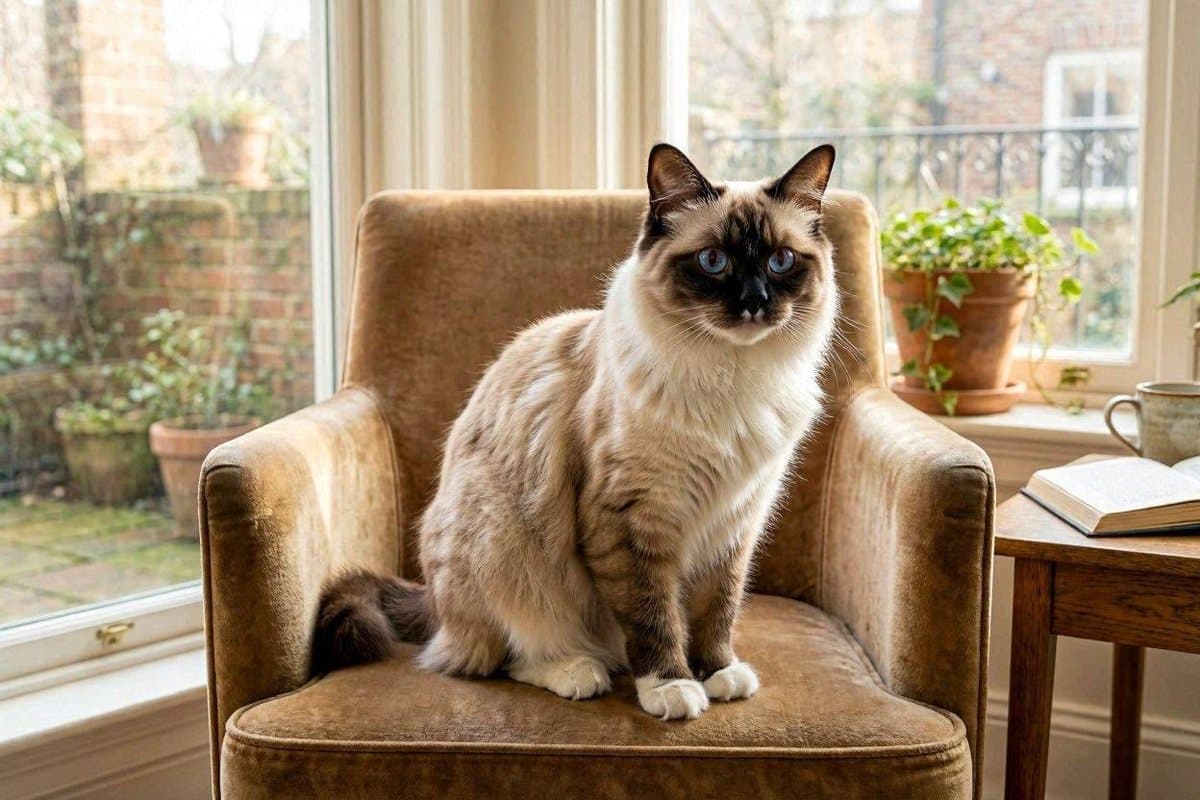
Birman Cat Breed Guide
Birman temperament, gentle social nature, silky coat care, and health considerations for this blue-eyed, white-gloved breed.
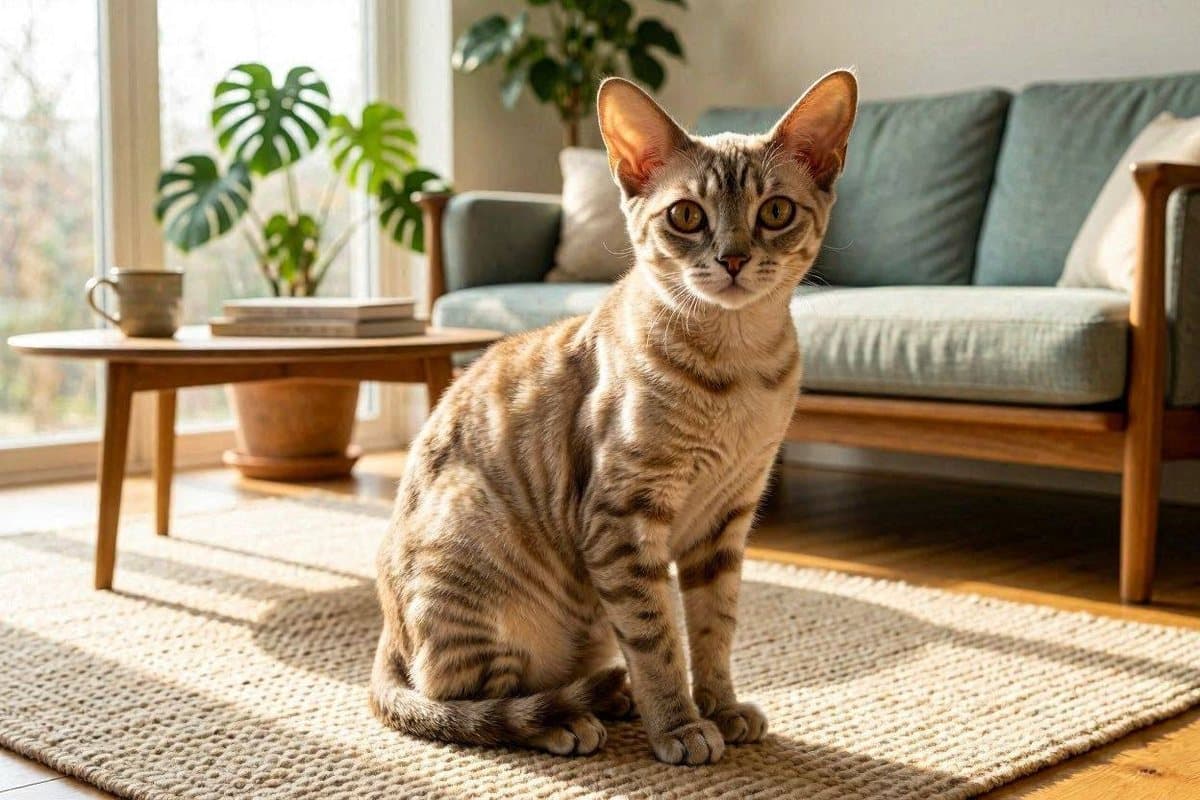
Devon Rex Cat Breed Guide
Devon Rex temperament, curly coat care, warmth needs, and health considerations for this playful, people-obsessed breed.
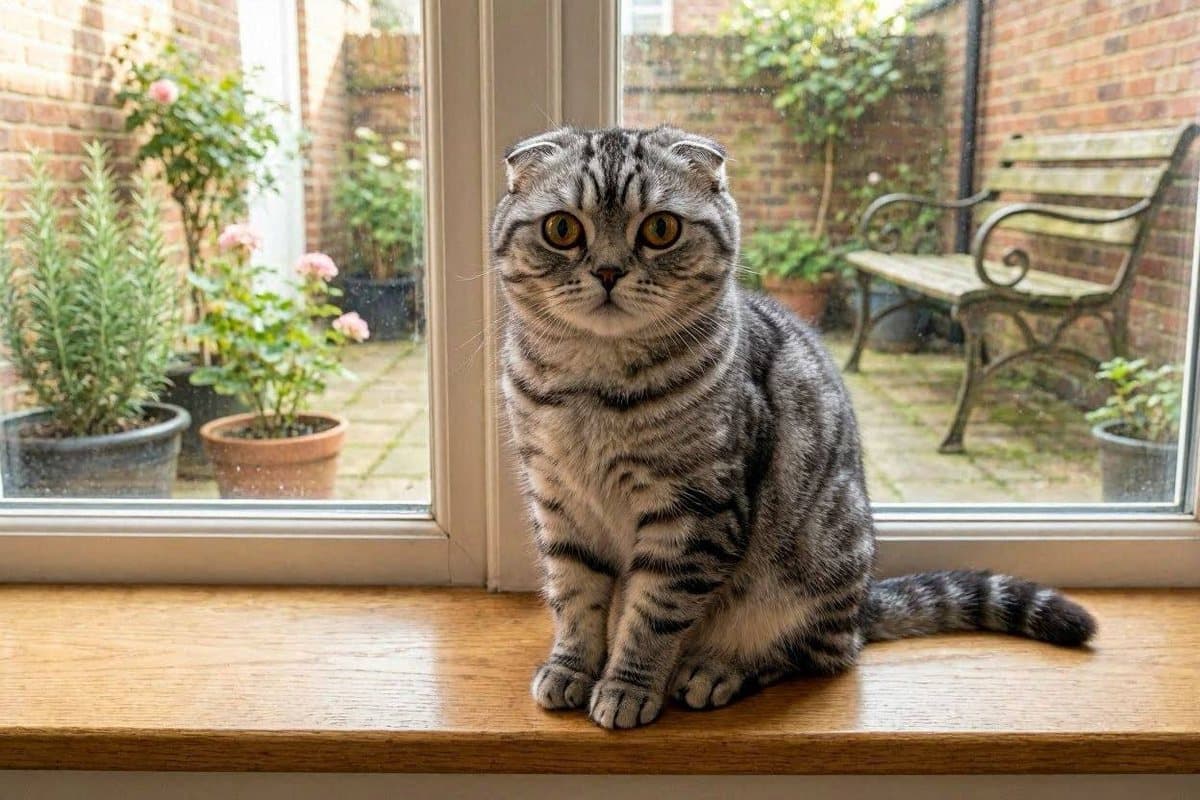
Scottish Fold Cat Breed Guide
Scottish Fold temperament, care needs, and the ear-cartilage health considerations every prospective owner should understand.
Get one useful pet-care tip a week
No spam, unsubscribe anytime.