 Daily Pet Care Hub
Birman Cat Breed Guide
By Pet Mama · Published 2025-12-10 · Updated 2026-08-31 · 3 min read
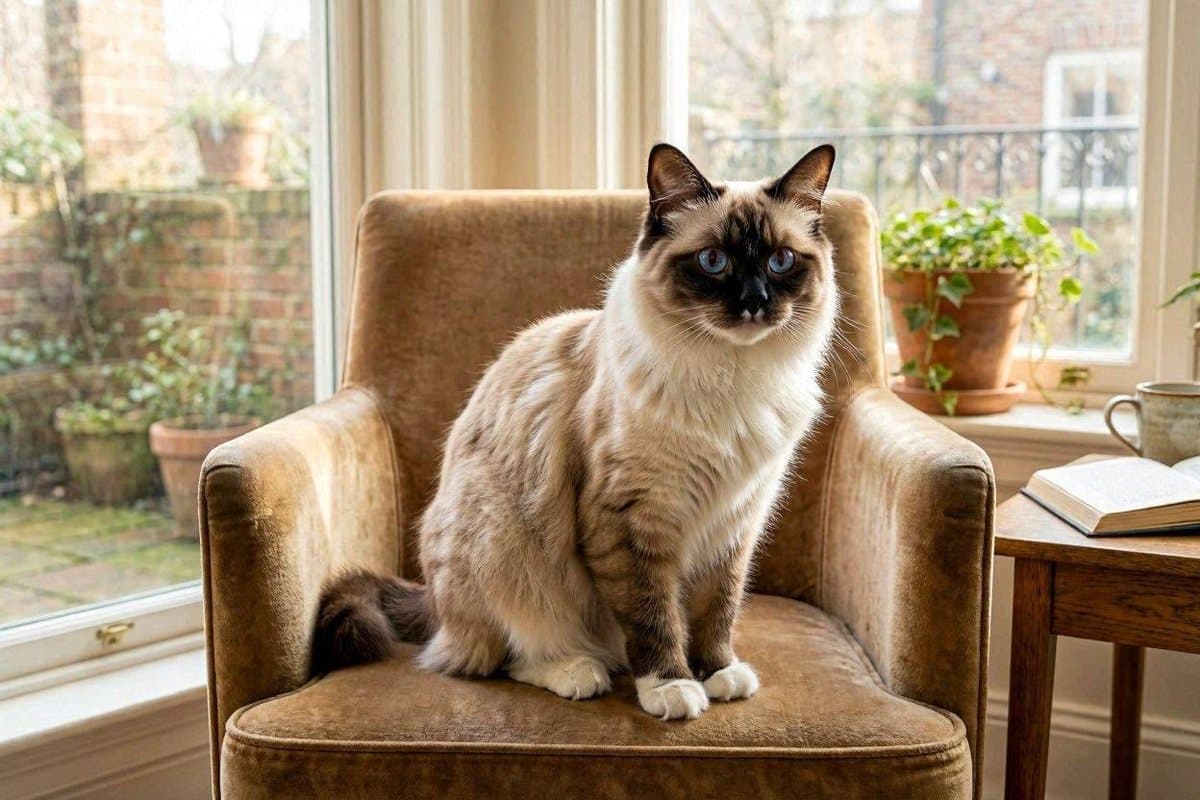
Birman Cat at a glance
- Species
- Cat
- Size
- Medium (6–12 lbs)
- Energy
- ●●●●●
- Shedding
- ●●●●●
- Grooming needs
- ●●●●●
- Apartment suitability
- ●●●●●
The Birman — the "Sacred Cat of Burma" — arrives in white gloves, sapphire eyes, and a temperament so agreeable it borders on diplomatic.
History & Origin
Birman history comes wrapped in legend: the breed is said to descend from sacred temple cats that guarded Kittah priests in Burma (present-day Myanmar), with their white paws symbolizing purity. The documented history is more modest — a pair of cats reportedly arrived in France in the early 1900s, and French breeders developed the modern Birman from there. The breed nearly vanished during World War II, rebuilt from only a handful of survivors, which makes today's healthy, widespread population something of a comeback story.
Distinctive Looks
Birmans share the color-point pattern seen in Siamese and Ragdoll cats — a pale body with darker face, ears, legs, and tail — but they're the only pointed breed with pure white "gloves" on all four paws, sometimes extending up the back legs in symmetrical "laces." Blue eyes are a breed standard, and the coat is medium-long with a silky, single-layer texture that lies close to the body rather than standing out plush like a Persian's.
Temperament & Personality
Gentle, even-keeled, and quietly sociable: Birmans follow their people amiably, greet guests with polite interest, and coexist beautifully with children, dogs, and other cats. They're affectionate without clinginess and soft-voiced — the easy-going middle of the companion-cat spectrum, between the Ragdoll's full-limp devotion and a British Shorthair's reserve. Unlike some calmer longhairs, Birmans keep a playful, curious streak well into adulthood. They're vocal in moderation — a soft chirp or trill to announce themselves rather than a demanding yowl — and generally adapt well to changes in routine, making them a forgiving choice for owners whose schedules shift week to week.
Exercise & Play Needs
Low-to-moderate: bursts of gentle play (they retain a kittenish streak throughout life), then long decorative rests in a sunny spot. Daily wand-toy sessions and a modest cat tree cover their needs — ideal apartment residents who don't require elaborate climbing setups or hours of active exercise to stay content.
Grooming & Shedding
The single-coated silky fur is the easy kind of longhair: minimal undercoat means minimal matting — brushing twice weekly keeps it flowing and glossy without the daily commitment a Persian requires. Their coat does shed, especially seasonally, but it doesn't tangle easily, which makes the Birman a good compromise for owners who want longhaired looks without longhaired maintenance.
Health & Lifespan
Generally sound, with a typical lifespan of 12 to 16 years. A few things are worth watching:
- Hypertrophic cardiomyopathy (HCM) — screened lines matter, since this is the most common heart condition across cat breeds.
- Polycystic kidney disease (PKD) — occasional concern; ask breeders about screening.
- Corneal dermoid — a rare congenital eye condition documented specifically in Birmans.
- Hairballs — manageable with regular brushing and diet, more common during heavy shedding season.
Watch their weight too — their calm nature invites portion drift over time. Routine wellness exams and a consistent feeding schedule go a long way toward catching any of these issues early and keeping a Birman comfortable well into its senior years.
Living With Kids & Other Pets
Few breeds are as universally easygoing. Birmans are patient with children, welcoming toward other cats and dogs, and rarely show aggression or excessive shyness. This adaptability is a major reason they're recommended so often for first-time owners and multi-pet households alike. They also tend to settle into a new home faster than more reserved breeds, warming up to strangers and unfamiliar pets within days rather than weeks.
Is a Birman Right for You?
For families and apartment dwellers wanting a beautiful, gentle, low-drama companion that gets along with everyone — one of the safest choices in pedigreed cats, and a good fit for owners who want longhaired elegance without the grooming demands of a Persian.
Frequently Asked Questions
Birman vs Ragdoll — what's the difference?
Both are gentle, pointed, blue-eyed companions. Birmans are smaller, slightly more playful and independent, and wear signature white 'gloves' on all four paws; Ragdolls are larger and floppier.
Why do Birmans have white paws?
The breed's defining 'gloves and laces' — symmetrical white feet on a pointed coat, wrapped in temple legend from their (storied) origins as Burmese temple cats.
Do Birmans need a lot of grooming?
Less than you'd expect for a longhair. The single coat has minimal undercoat, so twice-weekly brushing is usually enough to keep it mat-free.
Related Guides
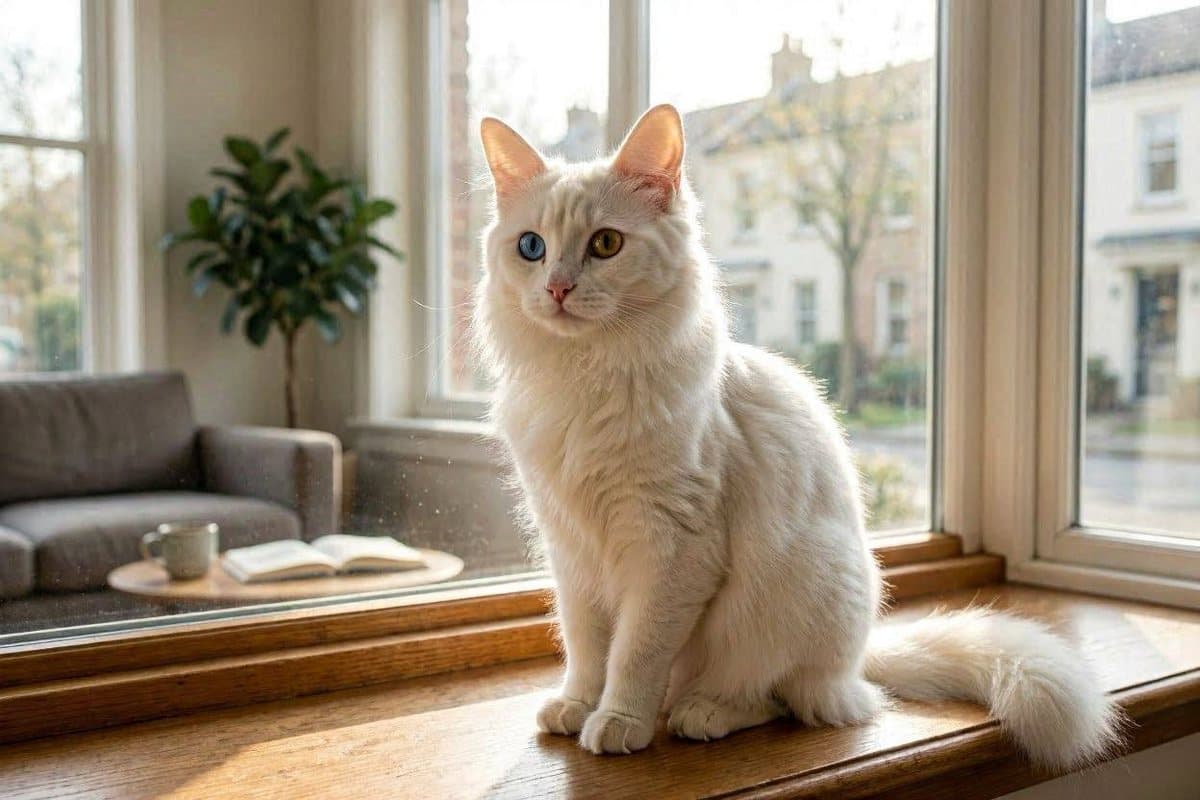
Turkish Angora Cat Breed Guide
Turkish Angora temperament, activity needs, silky coat care, and health notes for one of the oldest natural cat breeds.
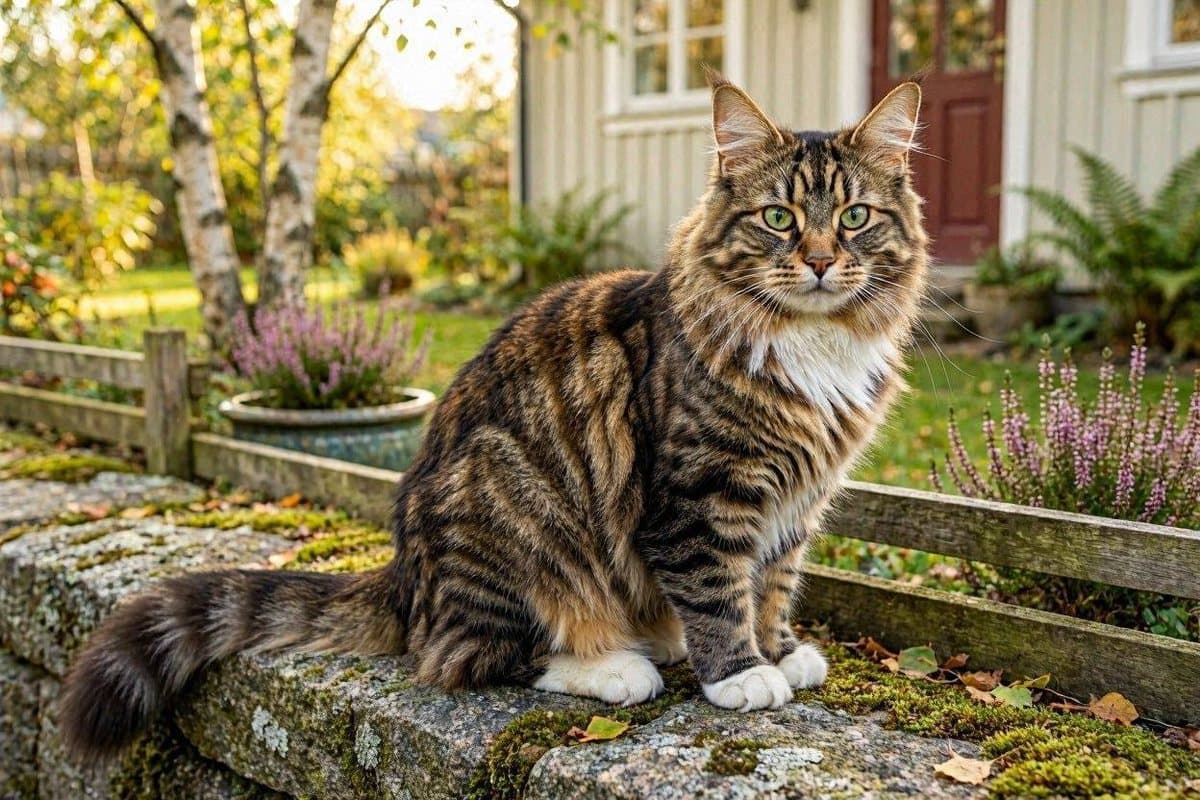
Norwegian Forest Cat Breed Guide
Norwegian Forest Cat temperament, climbing needs, grooming, and health considerations for this large, rugged Nordic breed.
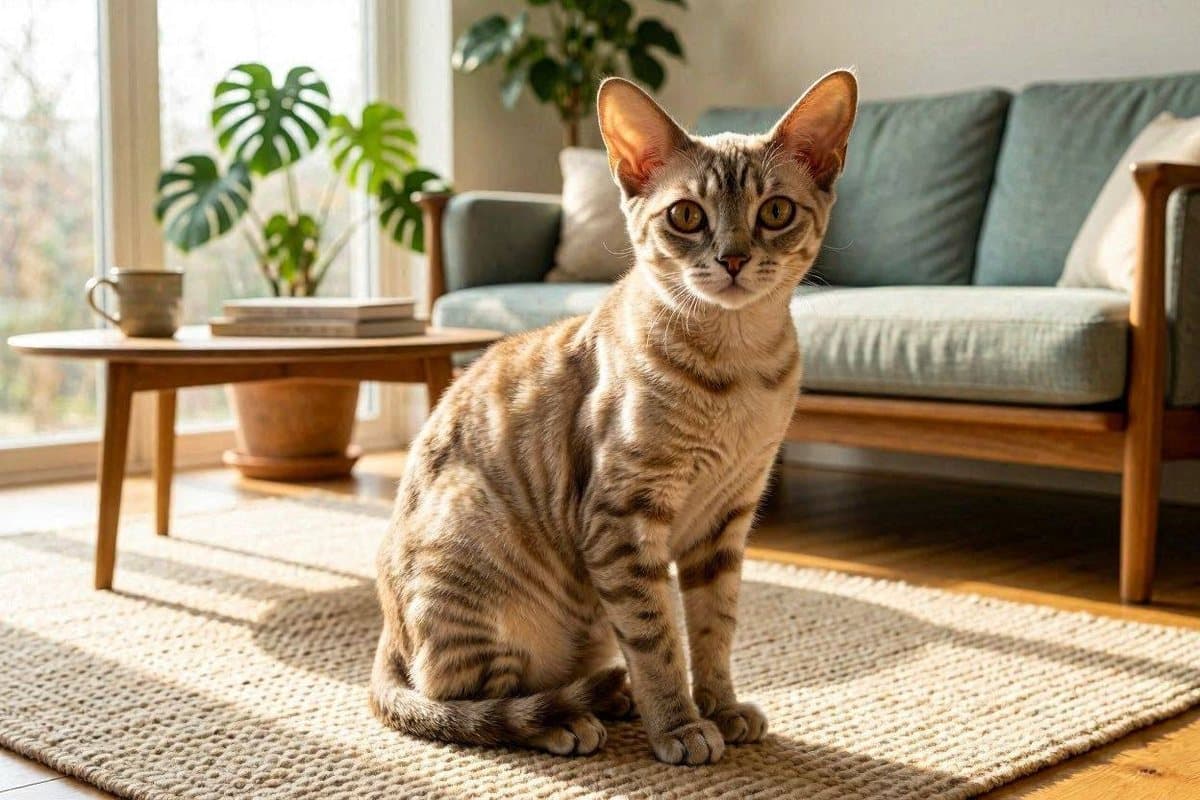
Devon Rex Cat Breed Guide
Devon Rex temperament, curly coat care, warmth needs, and health considerations for this playful, people-obsessed breed.
Get one useful pet-care tip a week
No spam, unsubscribe anytime.