 Daily Pet Care Hub
Turkish Angora Cat Breed Guide
By Pet Mama · Published 2025-12-28 · Updated 2026-08-31 · 3 min read
Turkish Angora Cat at a glance
- Species
- Cat
- Size
- Small–Medium (5–10 lbs)
- Energy
- ●●●●●
- Shedding
- ●●●●●
- Grooming needs
- ●●●●●
- Apartment suitability
- ●●●●●
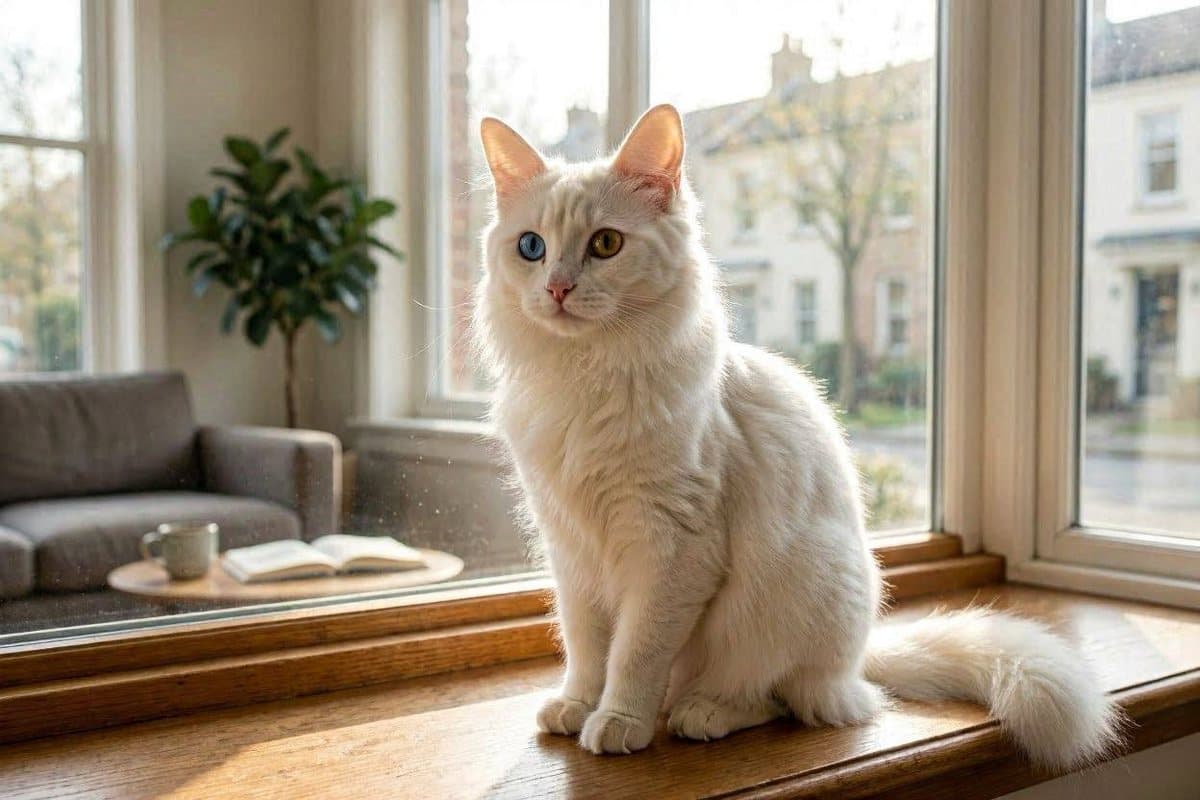
The Turkish Angora is one of the oldest natural cat breeds — a silk-coated athlete from Ankara that combines ballerina looks with a border-collie work ethic.
History & Origin
The Turkish Angora is a naturally occurring breed from the Ankara region of Turkey, with a documented history stretching back centuries — it's one of the founding breeds behind the modern Persian, which European breeders developed by crossing Angoras with other longhaired cats. The pure white lineage was so prized in Turkey that the Ankara Zoo maintained a careful breeding program to preserve it. The breed reached the United States in the mid-1900s, largely through military personnel returning from Turkey, and gained wider recognition from there.
Distinctive Looks
The classic image is a pure white cat with odd eyes — one blue, one amber or green — but the modern breed standard actually accepts a wide range of colors and patterns, including tabby, tortoiseshell, and solid shades beyond white. The build is fine-boned and athletic, with a long, plumed tail and large, pointed ears that give the breed its alert, elegant silhouette. Compared to the heavier-boned Persian it helped create, the Angora is noticeably lighter and more agile.
Temperament & Personality
Graceful, clever, and determinedly involved: Angoras assign themselves a favorite person, supervise all activities, and assert opinions with charm and persistence. They're affectionate in motion — shoulder rides, head bumps, drive-by cheek rubs — rather than long lap sessions, and they tend to run the multi-pet households they join. This isn't a background cat; an Angora wants a say in the daily schedule.
Exercise & Play Needs
High: climbing routes, daily hunt-style play, puzzle feeders, and trick training suit their agile minds. Many enjoy water play — faucets are entertainment infrastructure, and some Angoras will happily join you in the bathroom just to supervise the tap. Without enough outlets, their intelligence and energy can turn into countertop raids and door-dashing. A cat wheel, window perches, or a securely screened balcony can go a long way toward channeling that drive productively — this is not a breed that thrives on boredom.
Grooming & Shedding
The single silky coat is deceptively easy: no woolly undercoat means little matting — twice-weekly combing suffices, slightly more during seasonal shedding. This low-maintenance coat is part of what makes the breed appealing to owners who want longhaired elegance without a Persian-level grooming commitment.
Health & Lifespan
Hardy and long-lived, with 15 or more years common for the breed. A few specific notes are worth flagging:
- Deafness — associated with the white coat and blue-eyed genetics (the same gene linked to coat color affects inner-ear development); reputable breeders test hearing in affected litters. Deaf Angoras, incidentally, live full, happy indoor lives once owners adjust to visual-cue training.
- Hypertrophic cardiomyopathy (HCM) — screening is standard in responsible breeding programs.
- Ataxia — a rare hereditary neurological condition documented in some lines.
Living With Kids & Other Pets
Angoras generally do well with considerate children and other pets, though their assertive, sometimes bossy streak means they often end up running the household rather than blending quietly into it. They can be less tolerant of rough handling than a sturdier breed, so gentle kids and calm introductions work best. Their high energy also means they usually do better paired with an equally playful companion animal than left as the only pet in a quiet home — a bored, understimulated Angora is a determined troublemaker. With dogs, they typically do fine as long as the dog is calm and cat-savvy; a high-prey-drive breed is a poor match for such an athletic, fast-moving cat.
Is a Turkish Angora Right for You?
For owners wanting an elegant, engaged, opinionated companion with easy grooming — a delight, and a great match for active households that enjoy an interactive cat. For static-lap-cat dreams, the Birman or Ragdoll fit better.
Frequently Asked Questions
Are all Turkish Angoras white with odd eyes?
The white, odd-eyed look is iconic but the breed comes in many colors. Note: white cats with blue eyes (one or both) carry elevated deafness risk — reputable breeders test hearing.
Are Turkish Angoras lap cats?
Briefly, on their schedule. They're affectionate supervisors and shoulder-riders more than lap furniture — elegant perpetual motion.
Are Turkish Angoras good for apartments?
Yes, provided their high energy is met with daily play and climbing space — a bored Angora in a small space can become an escape artist or a mischief-maker.
Related Guides
Birman Cat Breed Guide
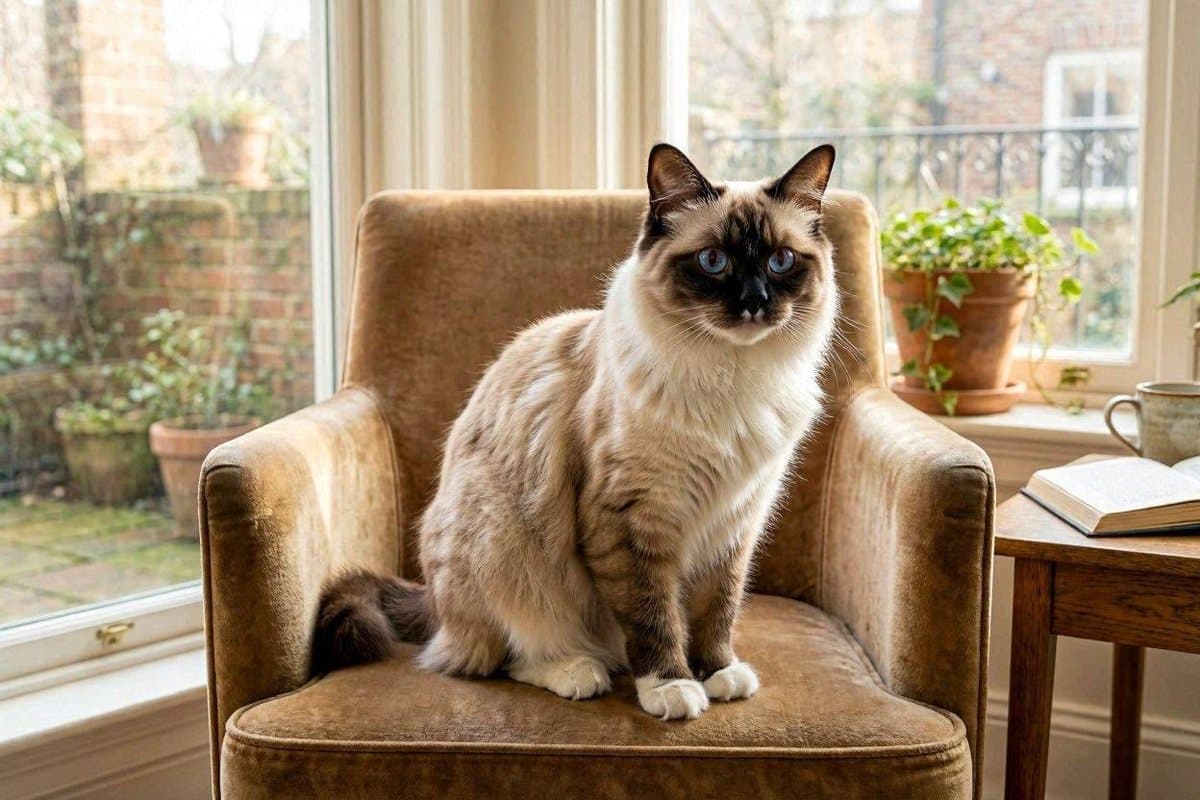
Birman temperament, gentle social nature, silky coat care, and health considerations for this blue-eyed, white-gloved breed.
Norwegian Forest Cat Breed Guide
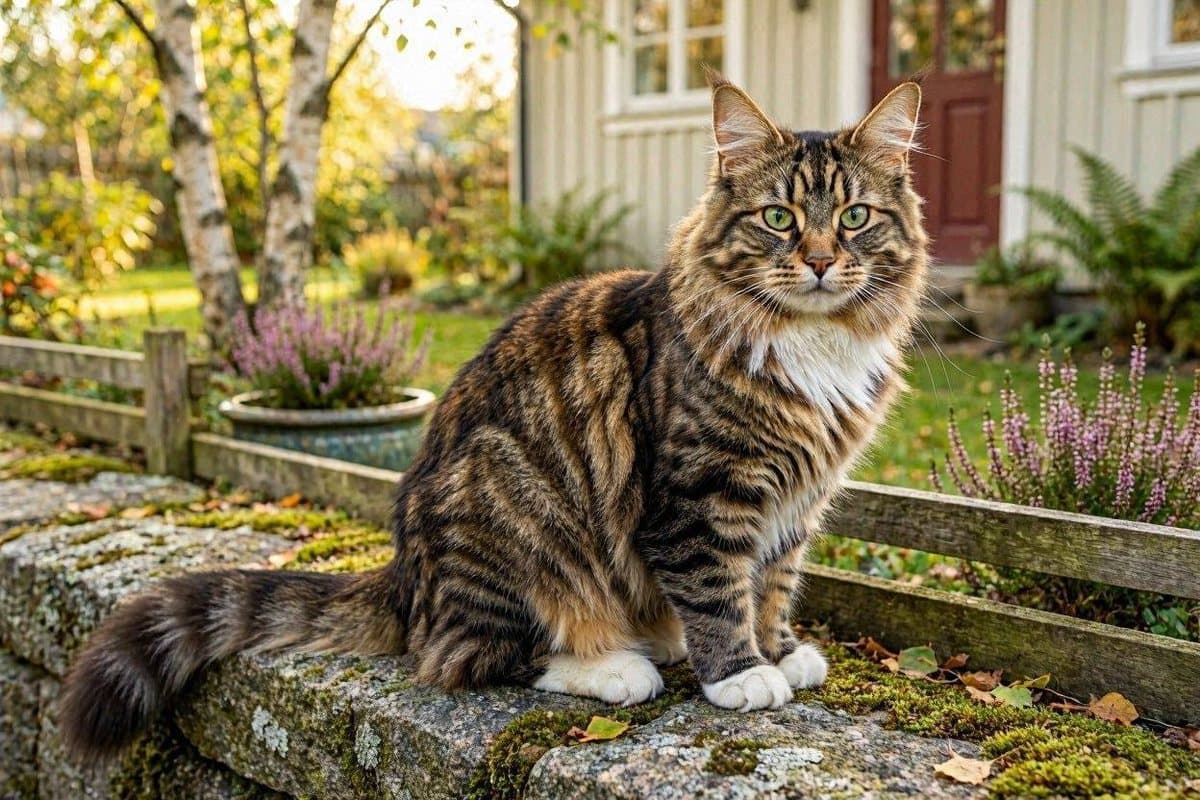
Norwegian Forest Cat temperament, climbing needs, grooming, and health considerations for this large, rugged Nordic breed.
Ragdoll Cat Breed Guide
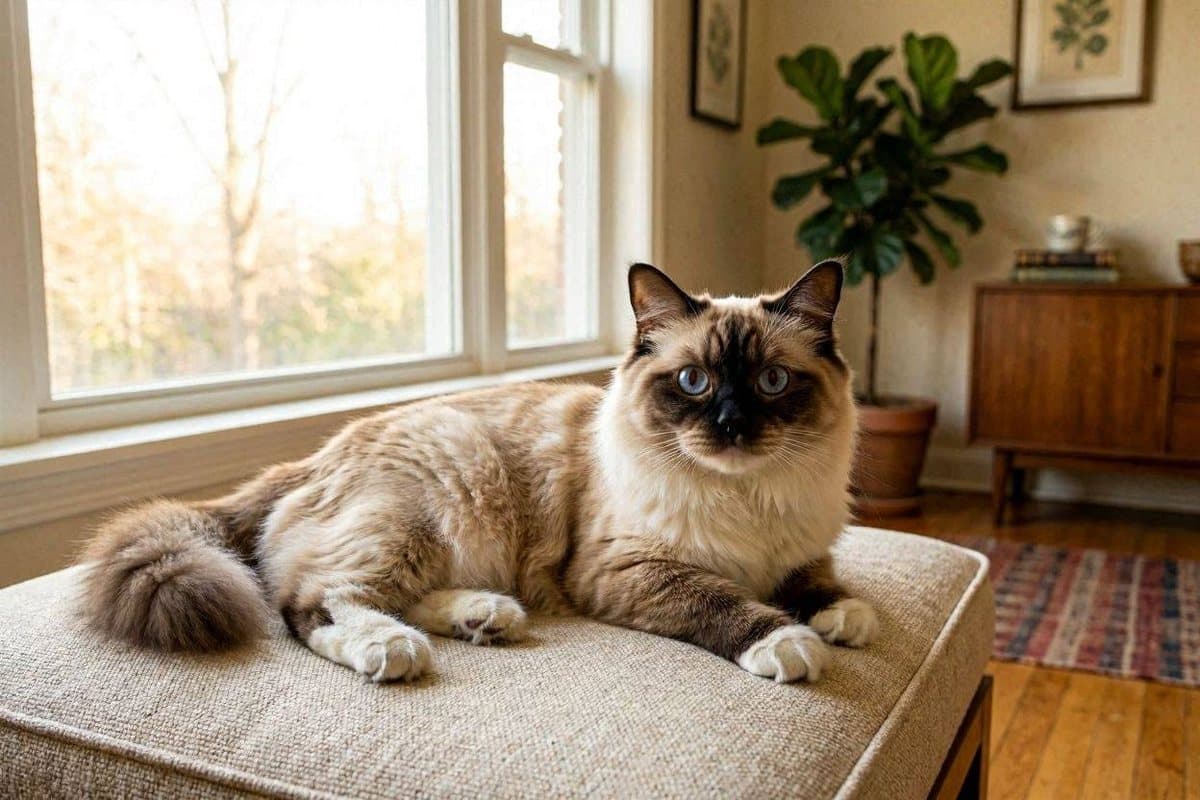
Ragdoll temperament, grooming, indoor living needs, and health considerations for one of the most affectionate cat breeds.
Get one useful pet-care tip a week
No spam, unsubscribe anytime.