 Daily Pet Care Hub
Persian Cat Breed Guide
By Pet Mama · Published 2025-01-02 · Updated 2026-08-31 · 3 min read
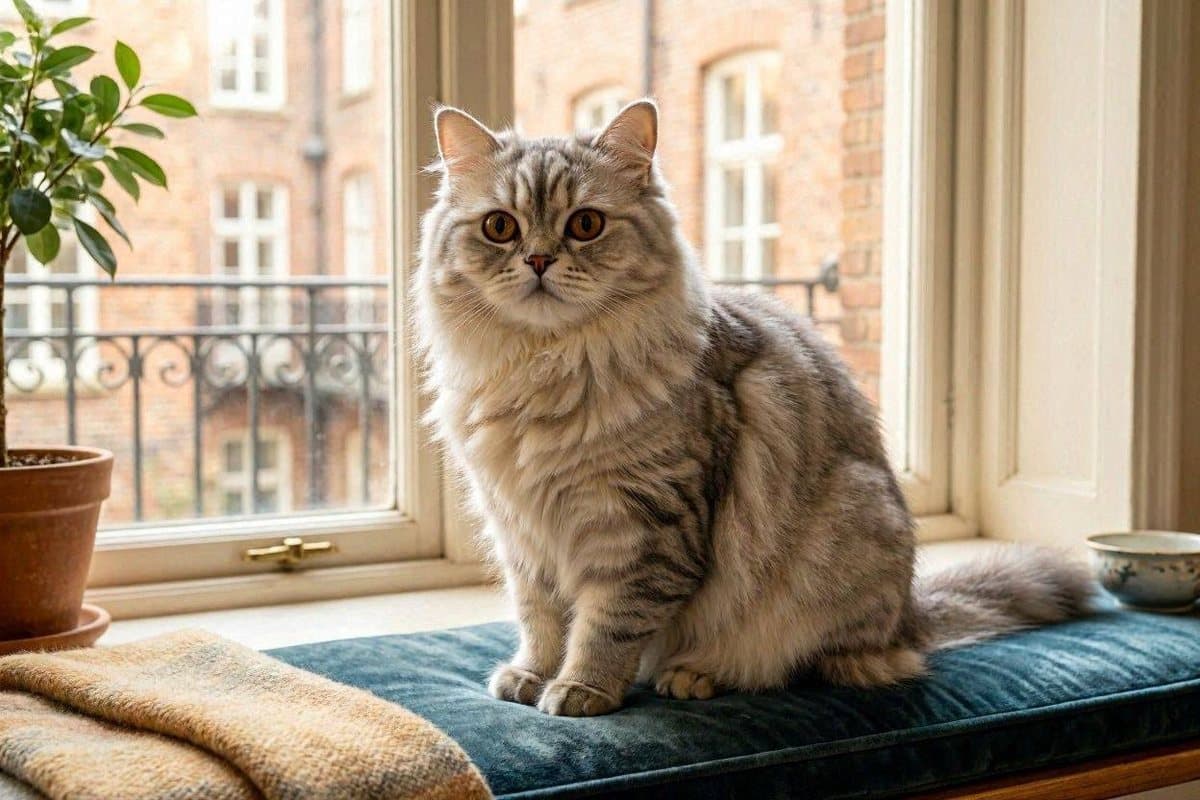
Persian Cat at a glance
- Species
- Cat
- Size
- Medium (7–12 lbs)
- Energy
- ●●●●●
- Shedding
- ●●●●●
- Grooming needs
- ●●●●●
- Apartment suitability
- ●●●●●
The Persian is the serene aristocrat of cats: gorgeous, gentle, and gloriously lazy — with a coat that demands real commitment.
History & Origin
Persians trace back to Persia (modern-day Iran), where longhaired cats were first documented centuries ago before being brought to Europe by travelers in the 1600s. The breed was refined and popularized in Victorian England, becoming a favorite of Queen Victoria herself and one of the earliest breeds shown at organized cat shows. Today's Persians split into two general types: the traditional "doll-face" with a more moderate profile, and the modern show-style "peke-face" with a much flatter, more extreme structure. Prospective owners should know this distinction matters for health — a doll-face Persian generally breathes and tears up less than an extreme peke-face, so it's worth asking breeders which type a kitten favors.
Temperament & Personality
Sweet, quiet, and placid. Persians prefer calm households, gentle handling, and predictable routines, and they don't cope well with sudden noise or chaotic environments. They show affection by being near you rather than on top of you, and their soft voice is used sparingly. This is a breed content to spend an afternoon perched decoratively on a cushion, observing rather than participating. Persians bond closely with their families but rarely demand constant interaction — they're happy to simply be in the same room, making them a good fit for owners who want companionship without the intensity of a more demanding breed.
Exercise & Play Needs
The lowest of any popular breed. Short, gentle play sessions with a wand toy or soft ball keep them healthy and mentally engaged, and their weight needs watching precisely because they'd rather not move much on their own. A Persian's idea of exercise is a slow stroll to the food bowl and back, so portion control matters as much as play.
Grooming — the Real Commitment
Daily brushing to prevent painful mats, daily face and eye cleaning (the flat face causes tear staining that can stain the fur if left unaddressed), monthly baths for many owners, and regular sanitary trims around the hindquarters. Skipping days has consequences — a missed week can mean a matted coat that needs professional de-matting or even a shave-down. Start habits in kittenhood with our grooming basics guide, and expect to budget real time for this breed, not just money.
Health & Lifespan
Typical lifespan runs 10 to 15 years, sometimes longer with attentive care. Because of their distinctive build, Persians carry a higher rate of certain hereditary and structural issues:
- Brachycephalic airway syndrome — the flat face can restrict airflow, especially in extreme show-style faces; heat and humidity require extra caution.
- Polycystic kidney disease (PKD) — one of the more common hereditary conditions in the breed; choose PKD-tested breeding lines.
- Eye conditions — tear duct abnormalities and increased tearing are common due to facial structure.
- Dental crowding — the shortened jaw leaves less room for teeth, raising the risk of misalignment and decay.
Twice-yearly vet checks are wise given this list, and feeding from a wide, shallow bowl can help Persians eat more comfortably.
Living With Kids & Other Pets
Persians do best in calm, predictable homes rather than loud or chaotic ones. They can coexist peacefully with gentle children and easygoing dogs or cats, but they're not built for rough play or constant handling, and they'll simply retreat if the household gets too boisterous. Quiet, patient family members are the best match for this breed's low-key personality.
Is a Persian Right for You?
Ideal for quiet homes wanting a calm, decorative, affectionate companion — and honest about committing real daily time to the coat and face care. Not for busy households seeking a wash-and-go pet, or homes with boisterous kids and dogs where a Persian would simply retreat and stay stressed. If the grooming commitment feels like too much but you still want a gentle, longhaired lap companion, the Ragdoll or Birman are worth a look — both share the calm temperament with an easier coat.
Frequently Asked Questions
How much grooming does a Persian really need?
Daily brushing, no exceptions — the long, fine coat mats fast. Add regular face cleaning and occasional baths or professional grooming.
Are Persians playful?
In short bursts. They enjoy gentle play but are the calmest of the popular breeds — decorative, serene, and content to lounge.
Why do Persians have flat faces?
It's a deliberately bred trait (brachycephaly). Traditional 'doll-face' Persians have a more moderate, less extreme profile than modern show-style Persians, with fewer breathing and tear-duct issues.
Related Guides
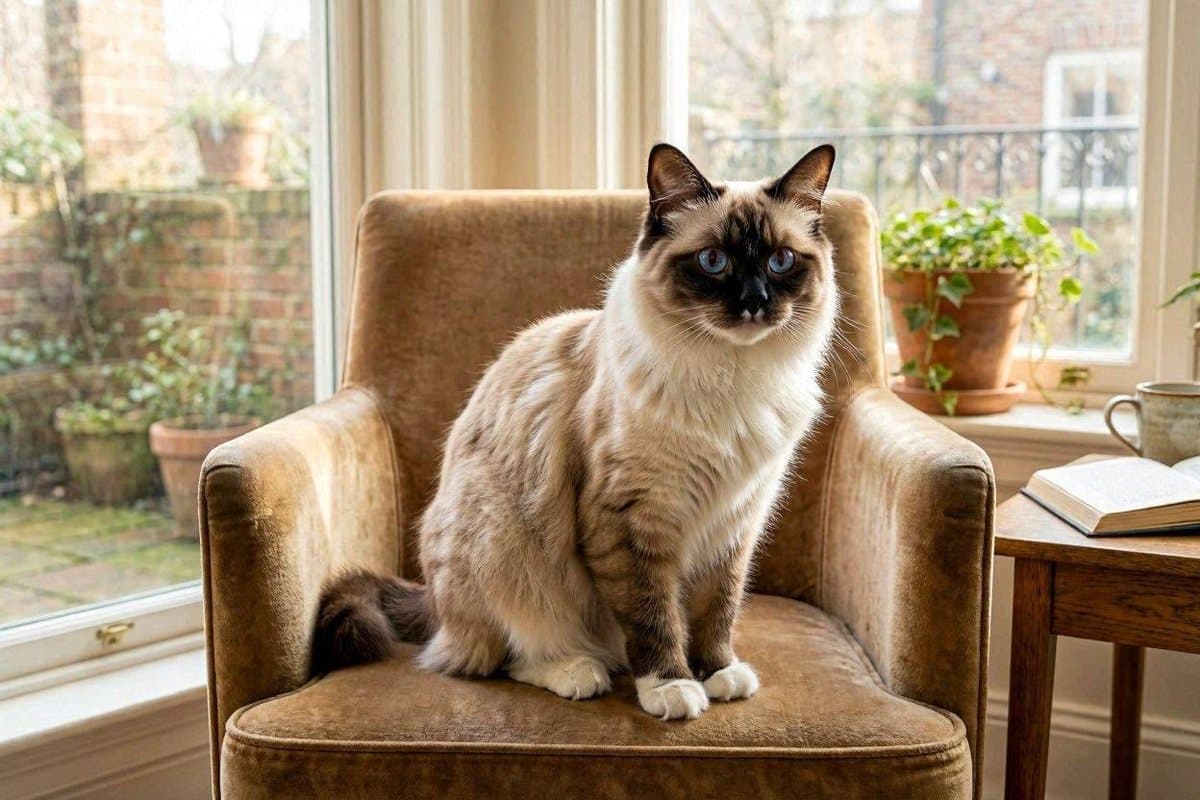
Birman Cat Breed Guide
Birman temperament, gentle social nature, silky coat care, and health considerations for this blue-eyed, white-gloved breed.
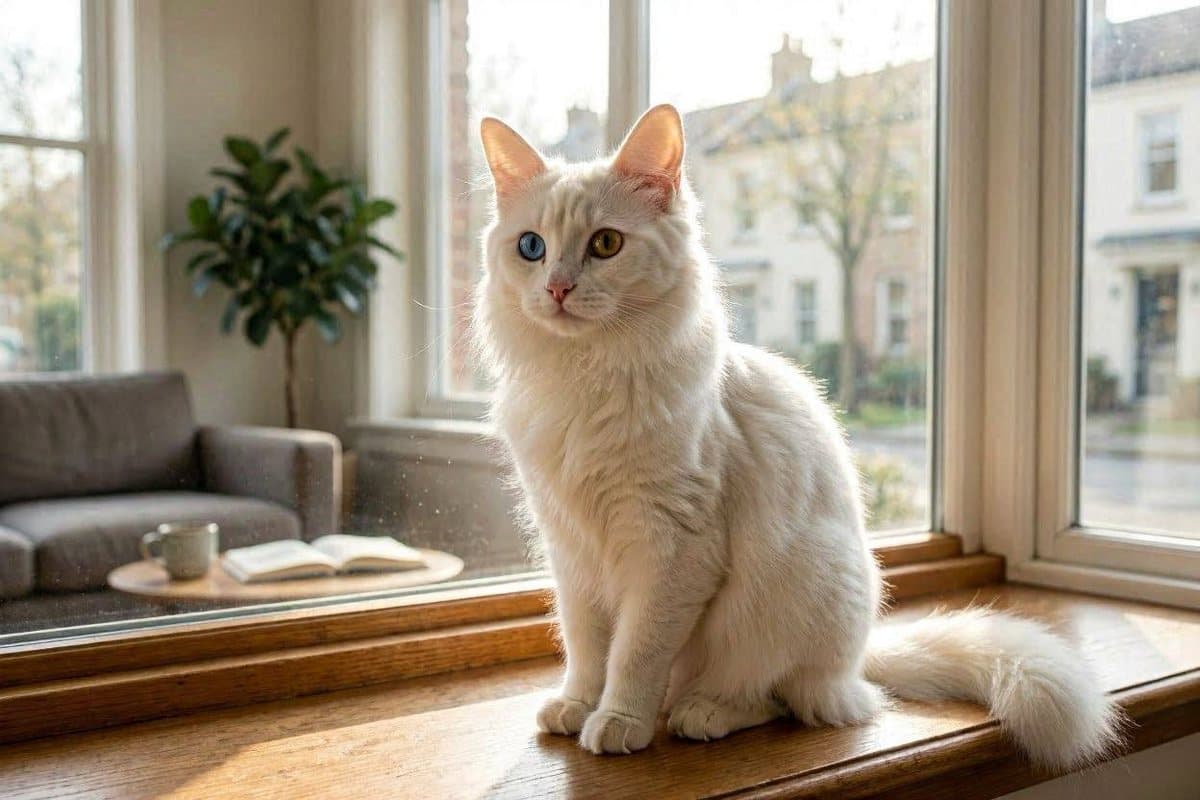
Turkish Angora Cat Breed Guide
Turkish Angora temperament, activity needs, silky coat care, and health notes for one of the oldest natural cat breeds.
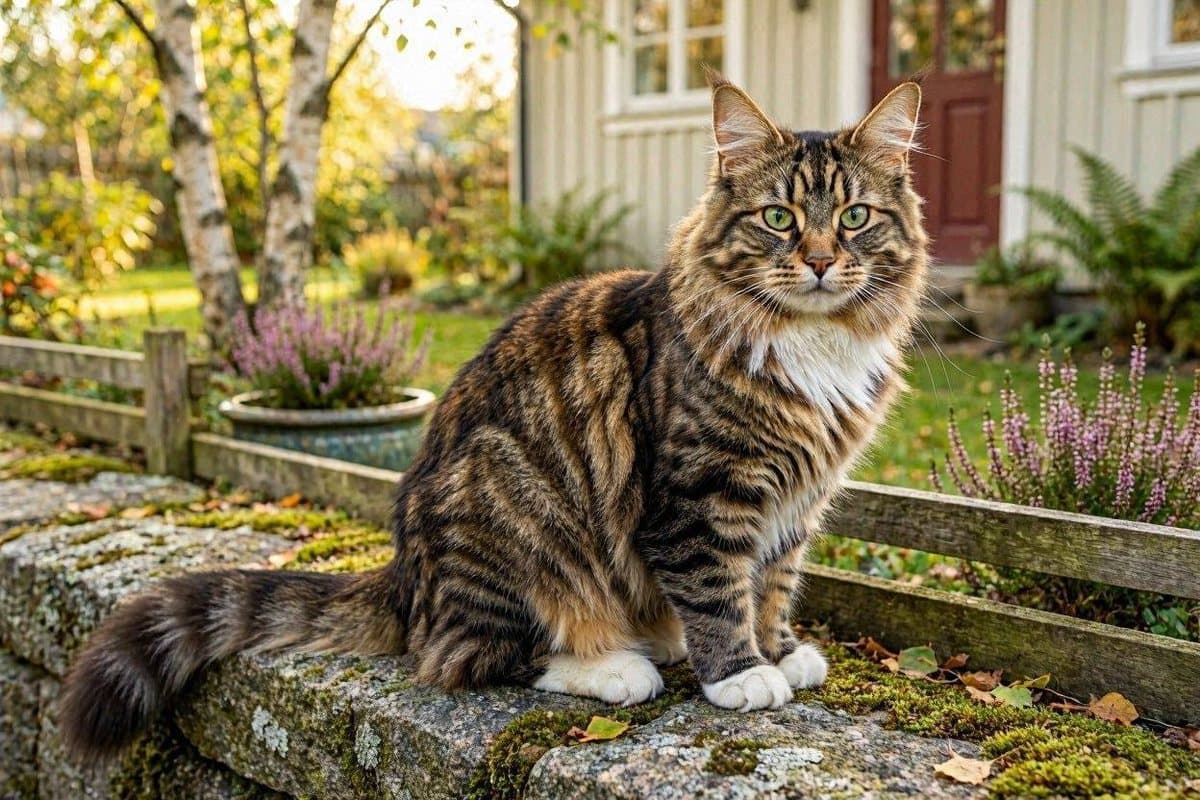
Norwegian Forest Cat Breed Guide
Norwegian Forest Cat temperament, climbing needs, grooming, and health considerations for this large, rugged Nordic breed.
Get one useful pet-care tip a week
No spam, unsubscribe anytime.