 Daily Pet Care Hub
Maine Coon Cat Breed Guide
By Pet Mama · Published 2024-12-07 · Updated 2026-08-31 · 4 min read
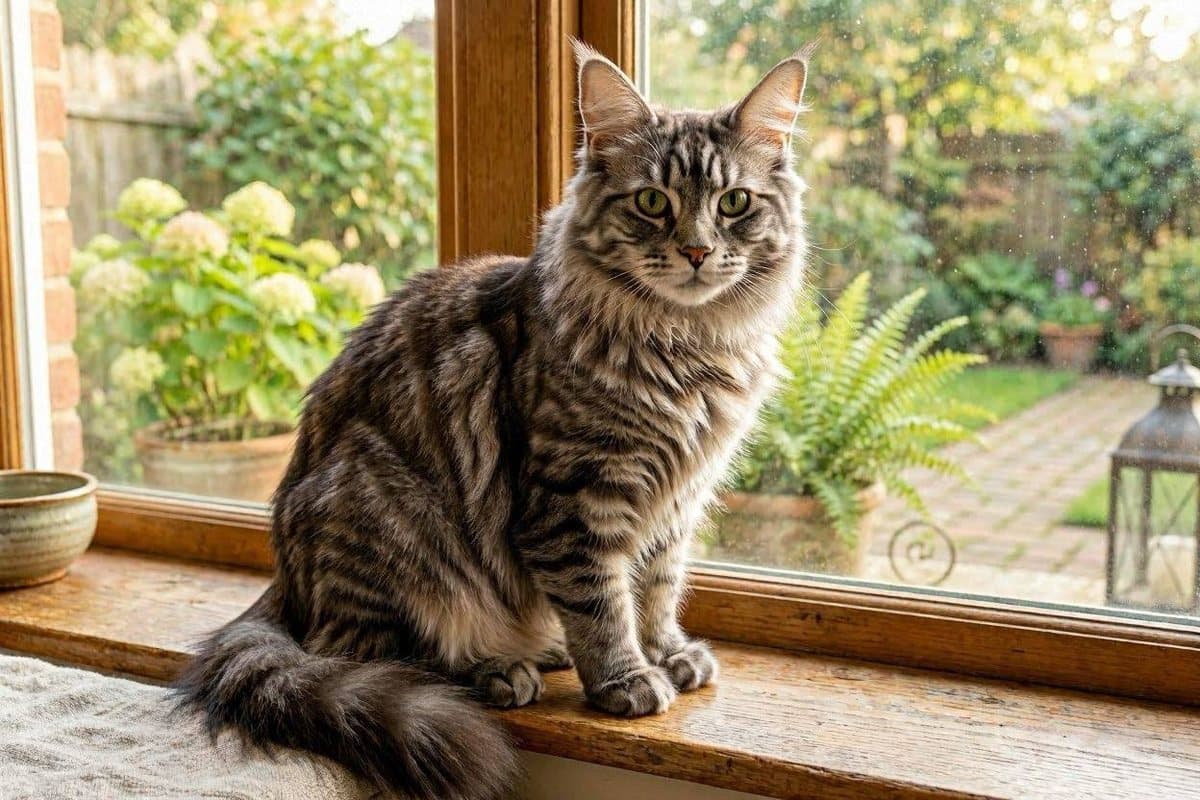
Maine Coon Cat at a glance
- Species
- Cat
- Size
- Large (10–25 lbs)
- Energy
- ●●●●●
- Shedding
- ●●●●●
- Grooming needs
- ●●●●●
- Apartment suitability
- ●●●●●
The Maine Coon is the gentle giant of the cat world — big, shaggy, and famously good-natured.
History & Origin
Maine Coons are one of the oldest natural breeds in North America and the official state cat of Maine. The romantic legend that they descend from raccoons is genetically impossible, but it explains the name — their bushy, ringed tails resemble a raccoon's. The more likely story is that longhaired cats brought over by early sailors and settlers interbred with local shorthairs, and natural selection favored large, weatherproof cats that could survive brutal New England winters working farms and ships as skilled mousers. Two cold-weather adaptations still show up in every Maine Coon today: tufted paws that work like natural snowshoes, and a long, bushy tail the cat wraps around its face and body for warmth while sleeping. Polydactyly — extra toes — was also historically common in the breed, and some lines and individual cats still carry the trait.
Temperament & Personality
Sociable, relaxed, and doglike: many follow their people from room to room, greet visitors at the door, and tolerate leash walks better than most cats. They're chirpers and trillers rather than loud meowers, communicating with a distinctive soft chirping sound instead of a demanding yowl. Despite their size, Maine Coons are gentle and easygoing, rarely pushy about attention, and generally patient with handling.
Size & Growth
One of the largest domestic cat breeds, with males commonly reaching 13 to 18 pounds and some topping 20. They mature slowly, often not reaching full size and muscle development until 3 to 5 years old — a Maine Coon kitten is deceptively normal-sized for its first year or two. Budget for larger litter boxes, sturdy cat trees, and bigger carriers than standard, since many Maine Coons outgrow the equipment made for average cats.
Exercise & Play Needs
Moderate energy with bursts of playfulness, especially as kittens and young adults. They love interactive play, climbing, and many are fascinated by water — dripping faucets and water bowls are common targets of investigation. Provide sturdy vertical space rated for their weight, since standard cat trees can tip or buckle under a full-grown Maine Coon.
Grooming & Shedding
The long, shaggy coat is more water-resistant and less prone to matting than it looks, but it still needs brushing two to three times weekly (daily during heavy shedding season) to stay tangle-free. Start grooming habits in kittenhood so a 20-pound adult accepts the routine calmly — see our grooming basics guide for technique tips.
Health & Lifespan
Typical lifespan runs 12 to 15 years. The breed is predisposed to a few hereditary conditions worth knowing about:
- Hypertrophic cardiomyopathy (HCM) — the most common heart disease in cats; a genetic test exists for one known mutation, and screening is standard among responsible breeders.
- Hip dysplasia — more often seen in large-bodied breeds like this one.
- Spinal muscular atrophy (SMA) — a hereditary neuromuscular condition with a known genetic test.
Choose breeders who screen for these conditions, and keep up regular vet checkups throughout life. A large-breed diet formulated for slow-maturing cats, with portions scaled to their genuinely bigger frame, helps support healthy joint and muscle development through those first several years of growth — see our pet nutrition basics guide for feeding guidance that applies across life stages.
Living With Kids & Other Pets
Maine Coons are famously good with kids, dogs, and other cats — their easygoing, unbothered temperament rarely tips into fear or aggression even in noisy households. They tend to supervise family activity rather than demand to be the center of it, which suits homes with young children who might not always handle a cat gently. If you're introducing a Maine Coon to an existing dog, our dog and cat introduction guide walks through a safe, gradual process.
Is a Maine Coon Right for You?
Great for families, multi-pet homes, and owners who want an interactive, affectionate cat that's closer to a dog in temperament than a typical aloof feline — and who don't mind fur on everything and a genuinely large cat sharing the furniture. Their patience with children and other animals, combined with a low tendency toward aggression, makes them one of the most consistently recommended breeds for busy, multi-pet households.
Frequently Asked Questions
How big do Maine Coons get?
Males commonly reach 13–18 lbs, some over 20 lbs. They mature slowly, reaching full size around 3–5 years.
Are Maine Coons good with dogs and kids?
Generally yes — their relaxed, sociable nature makes them one of the most dog- and kid-friendly cat breeds.
Why do Maine Coons have tufted paws and bushy tails?
Both are cold-weather adaptations from their New England origins — tufted paws work like natural snowshoes, and the thick tail wraps around the face and body for warmth while sleeping.
Related Guides
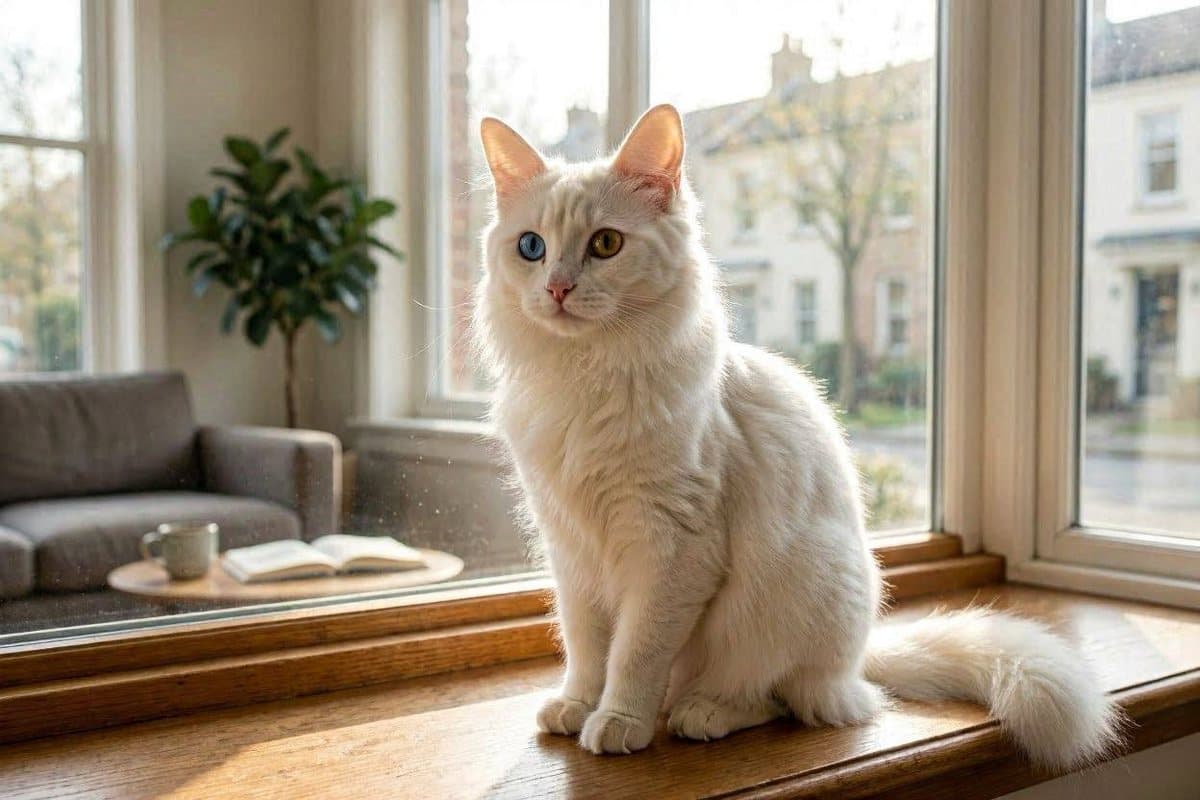
Turkish Angora Cat Breed Guide
Turkish Angora temperament, activity needs, silky coat care, and health notes for one of the oldest natural cat breeds.
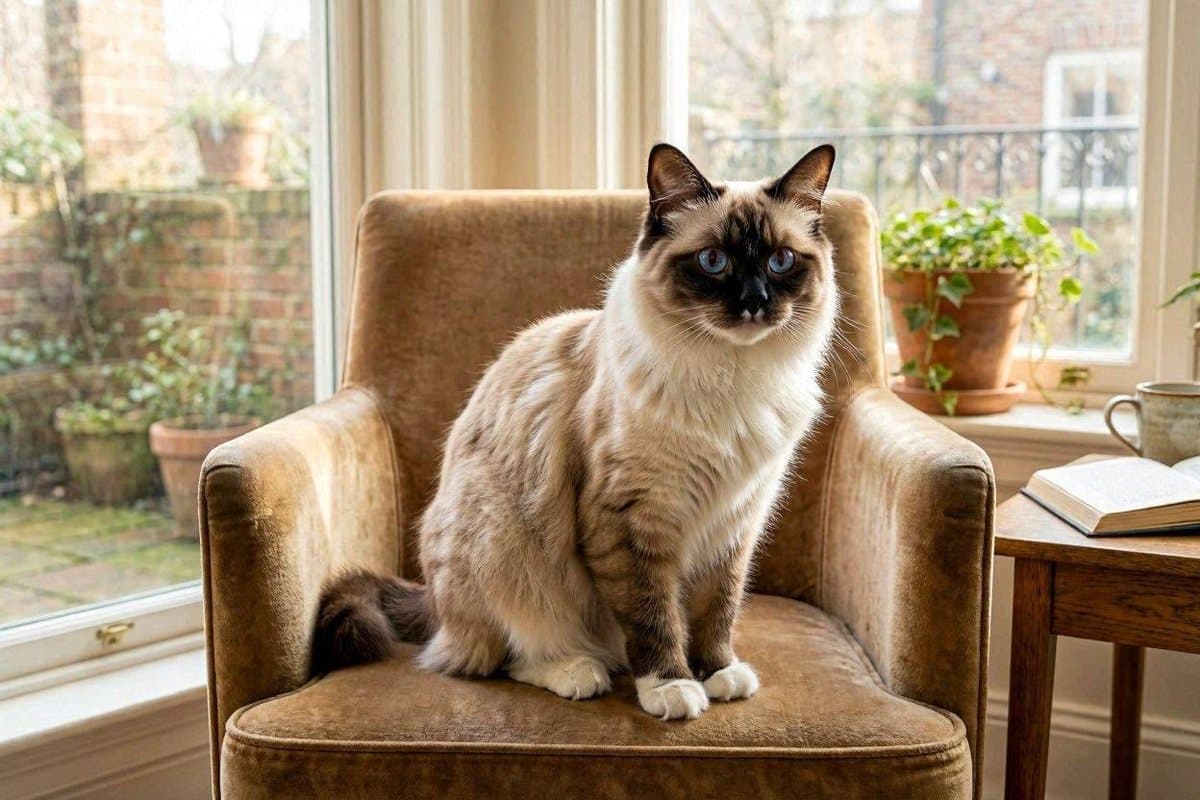
Birman Cat Breed Guide
Birman temperament, gentle social nature, silky coat care, and health considerations for this blue-eyed, white-gloved breed.
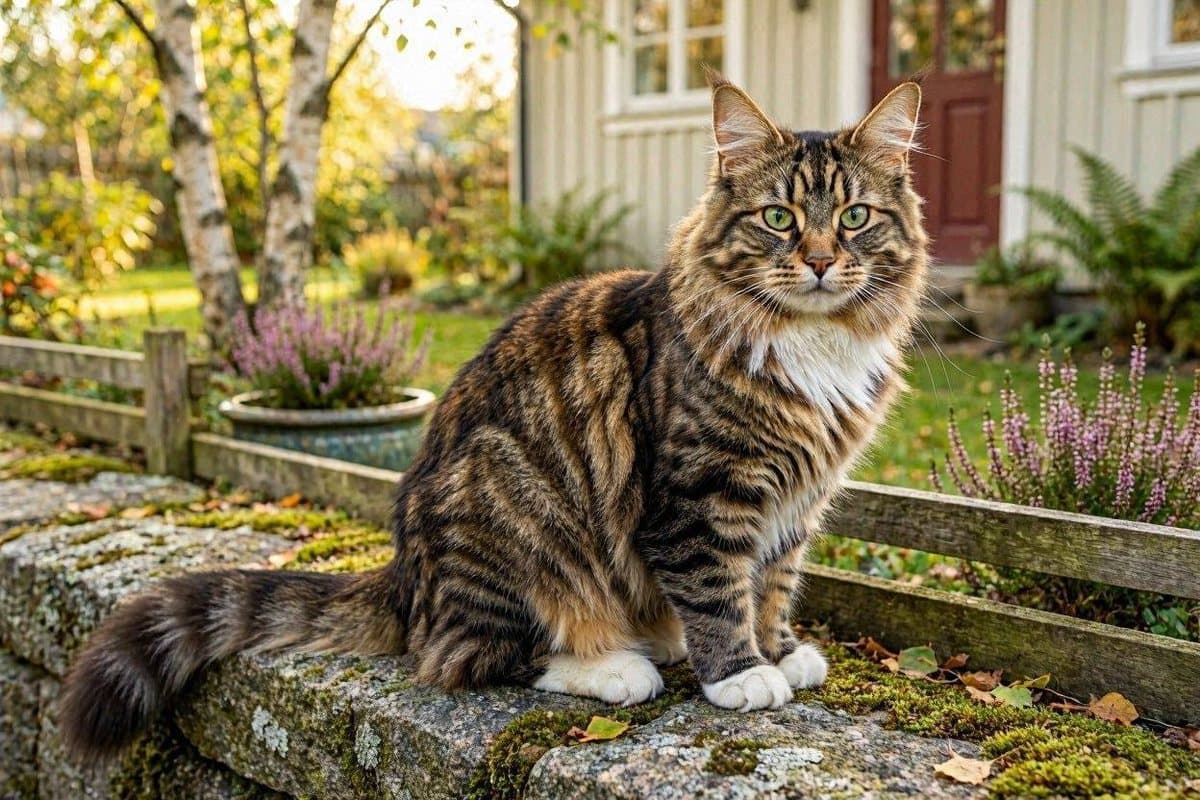
Norwegian Forest Cat Breed Guide
Norwegian Forest Cat temperament, climbing needs, grooming, and health considerations for this large, rugged Nordic breed.
Get one useful pet-care tip a week
No spam, unsubscribe anytime.