 Daily Pet Care Hub
Siberian Husky Breed Guide
By Pet Mama · Published 2025-10-01 · Updated 2026-08-31 · 3 min read
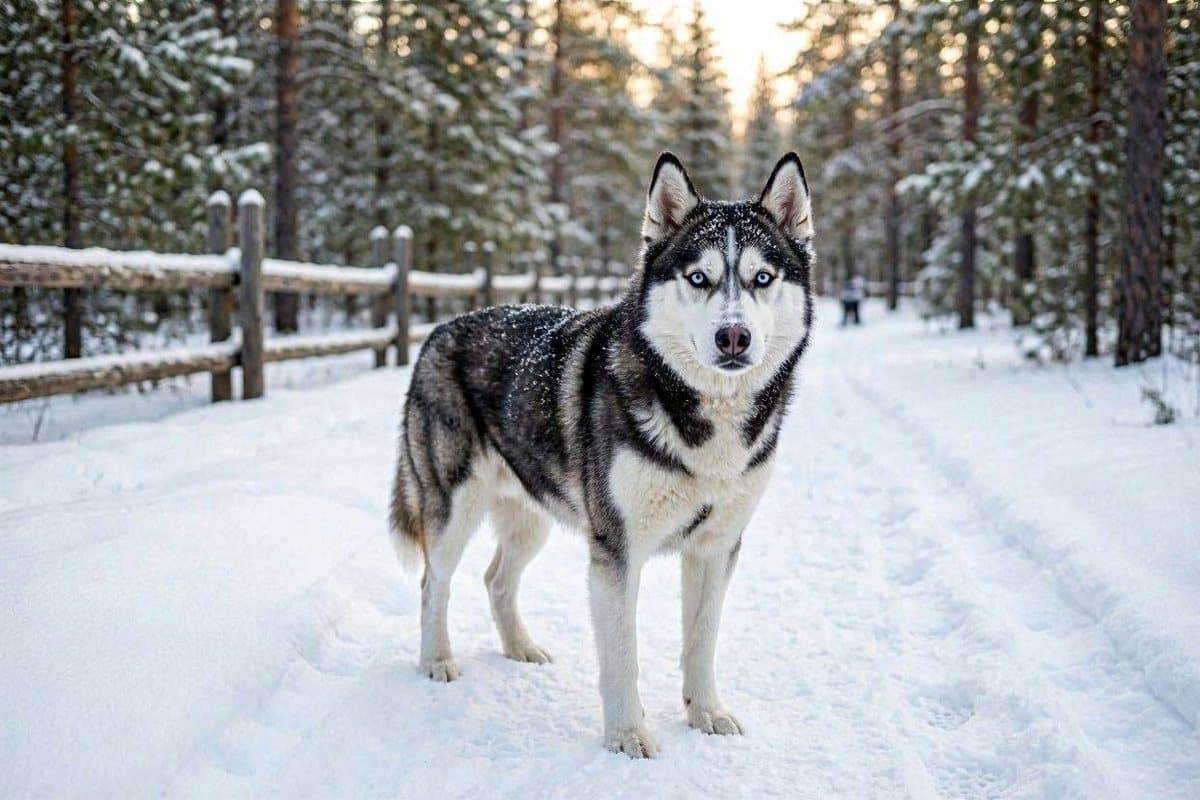
Siberian Husky at a glance
- Species
- Dog
- Size
- Medium–Large (35–60 lbs)
- Energy
- ●●●●●
- Shedding
- ●●●●●
- Grooming needs
- ●●●●●
- Apartment suitability
- ●●●●●
The Siberian Husky is one of the most beautiful dogs on Earth — and one of the most frequently surrendered, because the packaging writes checks the lifestyle must cash.
Origin & History
The Siberian Husky was developed by the Chukchi people of northeastern Siberia as an endurance sled dog, bred to pull light loads over long distances at a steady pace through brutal cold — stamina and efficiency mattered more than raw pulling power. The breed arrived in Alaska during the early 1900s gold rush era and found lasting fame in 1925, when relay teams of Huskies carried diphtheria antitoxin nearly 700 miles to Nome during a deadly outbreak, an event still commemorated by the Iditarod race today. That working history explains almost everything about the dog in your living room: the endurance, the strong pack orientation, and the total lack of interest in guarding territory the way protective breeds do.
Temperament
Friendly with everyone, including strangers (terrible guard dogs), playful, mischievous, and famously independent. Huskies were bred to run in a team and think for themselves when the trail got difficult, not to hang on human instruction — expect a charming, opinionated roommate, not an obedient employee. They're highly social pack animals that generally do poorly left alone for long stretches; a lonely Husky is a loud, destructive Husky.
Exercise: The Whole Deal
Extreme: 90+ minutes daily of hard exercise, ideally running, plus mental work like scent games or pulling activities. An under-exercised Husky redecorates drywall, excavates yards, and serenades the neighborhood. This need is daily, year-round, in all weather — the single factor to be honest with yourself about before bringing one home. Huskies also tend to overheat in warm weather since they're built for cold climates, so hot-weather exercise needs to move to early morning or evening.
The Escape Artist Clause
Huskies climb, dig under, and figure out latches with unsettling speed — high prey drive plus a wanderlust bred into the breed makes containment a real project. Six-foot fencing with dig guards buried at the base, supervised yard time, and leashes everywhere else are non-negotiable. Microchip and ID tags from day one; Husky rescues are full of dogs who simply ran and kept running.
Grooming
The dense double coat sheds year-round and blows out spectacularly twice a year — daily brushing during those blowout seasons, a serious vacuum always. Never shave a Husky; the coat is climate control in both directions, insulating against cold and heat alike (summer safety tips apply directly here). Baths are rarely needed since the coat is naturally self-cleaning.
Training Notes
Smart but self-directed: positive reinforcement with excellent rewards, short fun sessions, and realistic expectations work best. Recall is a lifelong project, never a guarantee — most experienced Husky owners simply accept that this breed is never fully off-leash reliable, no matter how much training goes in.
Health Considerations
Generally a hardy, long-lived breed with a lifespan of 12–14 years. Watch for:
- Hip dysplasia, though less common than in many large breeds
- Eye conditions including cataracts and progressive retinal atrophy
- Zinc-responsive dermatosis, a skin condition tied to zinc absorption
- Autoimmune thyroid issues in some lines
Keep them lean and conditioned — this is an athlete's body built for distance work, not a couch-shaped one.
Living With Kids & Other Pets
Huskies are generally excellent with children — patient, playful, and rarely aggressive, thanks to a temperament built for close-knit pack life. The caution is with smaller animals: high prey drive means cats, rabbits, and small dogs can trigger a chase response, especially in Huskies not raised alongside them from puppyhood. Two Huskies together, or a Husky paired with another confident, active dog, tends to work well since the breed genuinely craves companionship, canine or human.
Is a Husky Right for You?
For runners, hikers, and cold-climate adventurers who want a gorgeous, hilarious training partner and can commit to real daily exercise — yes, emphatically. For apartments, busy schedules, or households wanting a low-key companion, the kindest answer is no; this is a breed that thrives with a job and struggles badly without one.
Frequently Asked Questions
Why do Huskies howl and 'talk' so much?
Pack-communication heritage — Huskies rarely bark but howl, woo, and argue eloquently. Charming in a house, complicated in an apartment.
Can Huskies be let off-leash?
Almost never safely. Bred to run for miles ahead of a sled, their recall loses to the horizon. Long lines and secure fencing are the deal.
Do Huskies do okay in warm climates?
They adapt better than expected (the coat insulates both ways), but summer exercise must move to dawn/dusk and shade — never shave the coat.
Related Guides
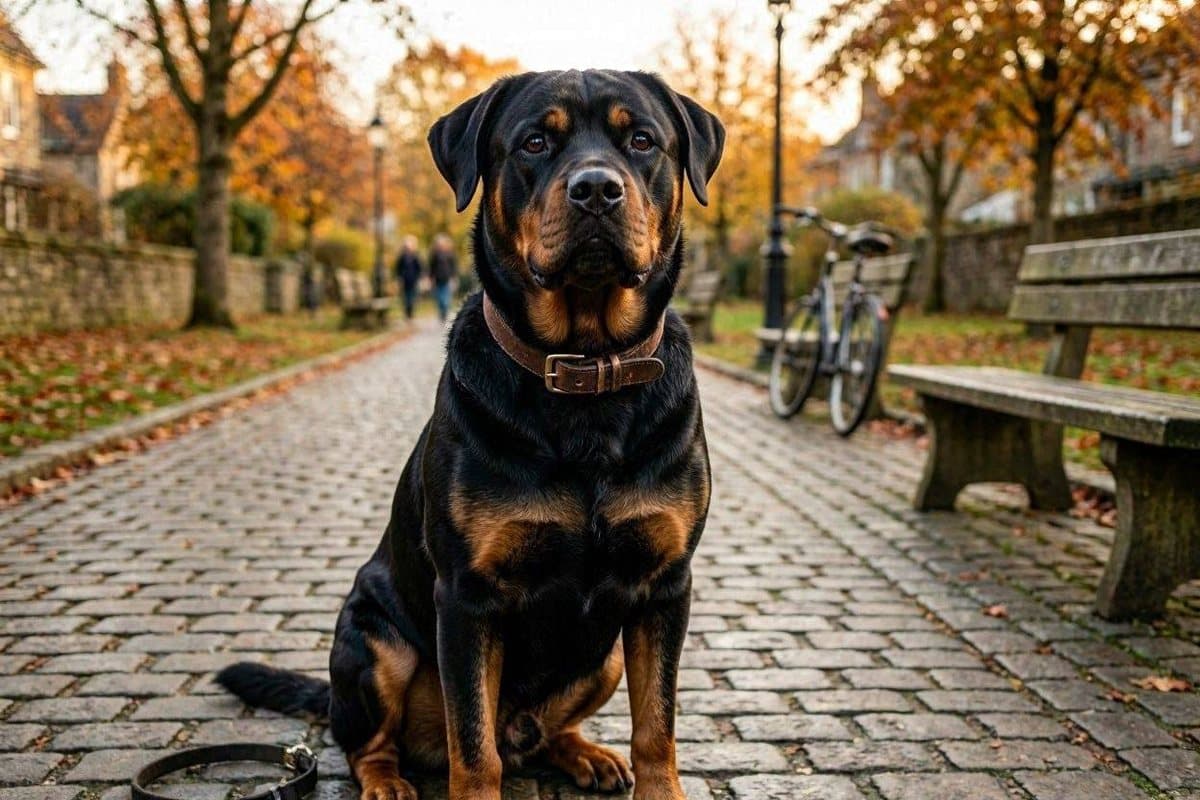
Rottweiler Breed Guide
Rottweiler temperament, training and socialization needs, exercise, and health considerations for this powerful working breed.
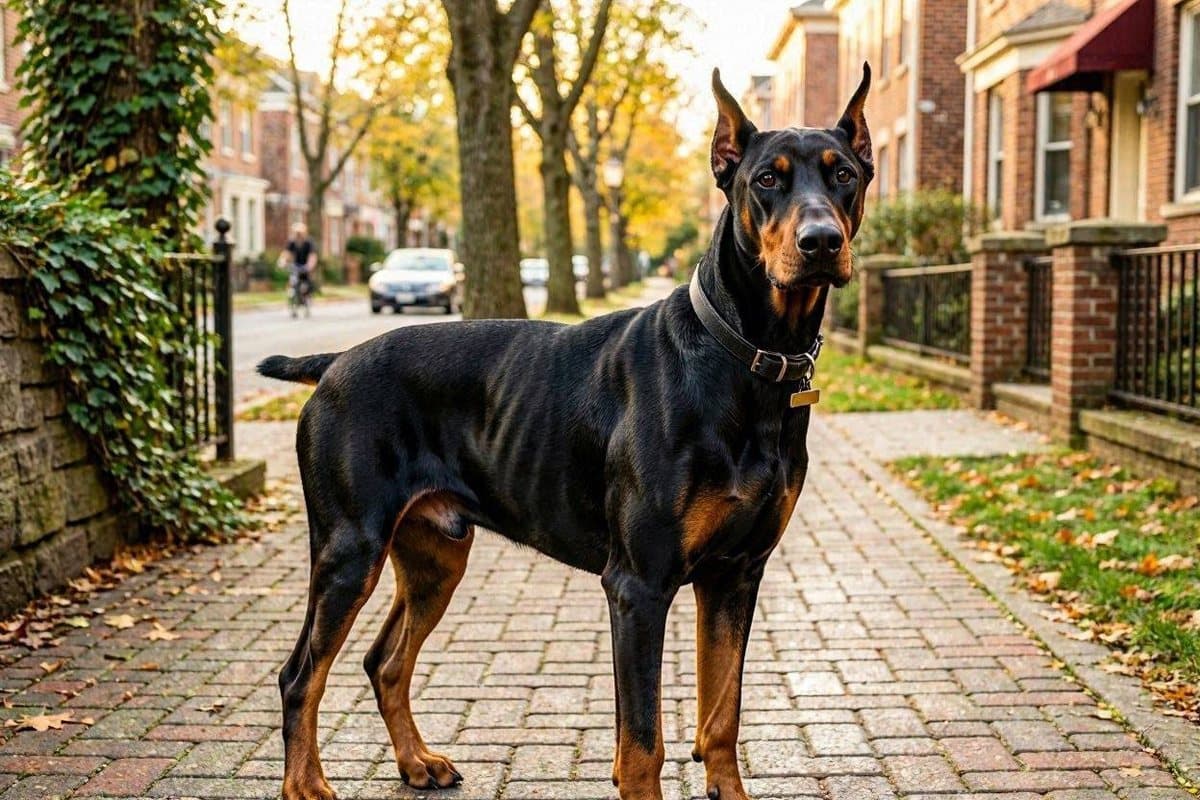
Doberman Pinscher Breed Guide
Doberman Pinscher temperament, exercise and training needs, and health considerations for this loyal, athletic guardian breed.
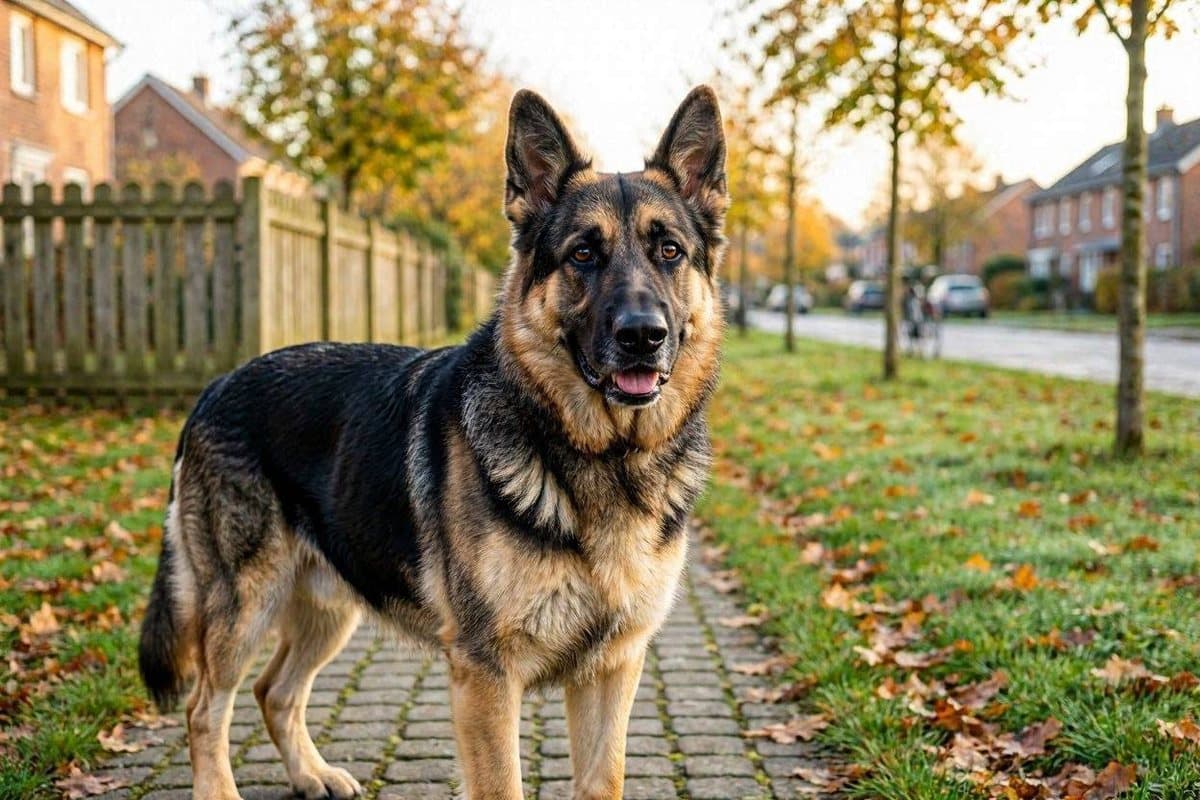
German Shepherd Breed Guide
German Shepherd temperament, training and exercise demands, grooming, and health considerations for this working breed.
Get one useful pet-care tip a week
No spam, unsubscribe anytime.