 Daily Pet Care Hub
Doberman Pinscher Breed Guide
By Pet Mama · Published 2025-11-21 · Updated 2026-08-31 · 3 min read
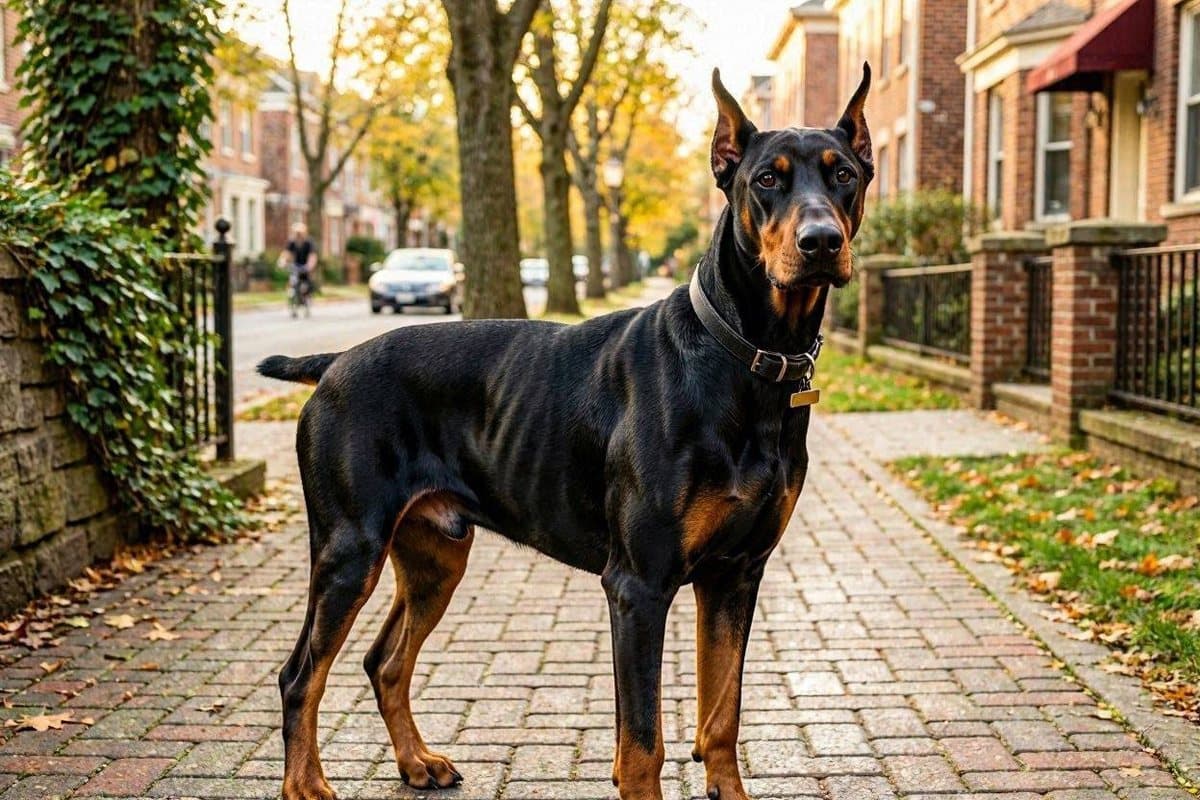
Doberman Pinscher at a glance
- Species
- Dog
- Size
- Large (60–100 lbs)
- Energy
- ●●●●●
- Shedding
- ●●●●●
- Grooming needs
- ●●●●●
- Apartment suitability
- ●●●●●
The Doberman Pinscher is the sports sedan of guardian breeds: sleek, fast, brilliant — and so attached to its people that "velcro Dober" is the breed's second name.
Origin & History
The Doberman Pinscher was developed in Germany in the 1890s by Karl Friedrich Louis Dobermann, a tax collector and dog pound manager who wanted a loyal, intimidating dog to protect him on his rounds. He's believed to have crossed Rottweilers, German Pinschers, Black and Tan Terriers, and possibly Greyhounds and Weimaraners for the sleek build and speed. The result quickly became a favored police and military dog across Europe and the U.S., and the breed still sits in the AKC's Working Group today. Traditionally the ears were cropped and tail docked for the classic guard-dog look; both practices are increasingly optional or restricted, and plenty of Dobermans now keep their natural floppy ears. The breed's angular, sculpted look and reputation for fearlessness made it a favorite choice for K-9 units for decades, and that working heritage is still visible in how quickly a Doberman assesses a new situation.
Temperament
Intensely loyal, intelligent, and people-centered. Modern pet-line Dobermans are softer and more affectionate than their old reputation suggests: they want to be touching you on the couch, patrol the house as self-appointed staff, and treat family children as their charges. They do poorly with long isolation and harsh handling — this is a sensitive breed under the intimidating exterior.
Exercise & Mental Needs
Top-tier: 90 minutes daily of real exercise plus mental work — obedience, nose work, a running partnership. This is an athlete built for engagement; boredom converts directly to anxiety and destruction. Dobermans that get proper outlets are calm, composed house dogs; ones that don't become restless and difficult to live with. Many owners find a Doberman's energy actually settles noticeably once the dog matures past two or three years old, provided the exercise habit was established early.
Training
A joy: fast, precise learners that excel at everything from basic manners to protection sport and competitive obedience. Their sensitivity means positive methods aren't just kinder — they're more effective; harsh corrections tend to shut a Doberman down rather than speed up learning. Socialize broadly and early, as with every guardian breed, so watchfulness develops into good judgment rather than suspicion of everything new.
Grooming
The easiest coat we cover: short, sleek, weekly wipe-down. They feel the cold — very little body fat and a single thin coat — so a winter coat isn't vanity, it's a real comfort item once temperatures drop.
Health Considerations
The serious one: dilated cardiomyopathy (DCM) at high breed rates — buy only from cardiac-tested lines and discuss annual echo or Holter monitor screening with your vet from middle age on. Also on the list:
- Von Willebrand's disease — a clotting disorder; test before any surgery
- Wobbler syndrome — cervical vertebral instability affecting the neck and spinal cord
- Hypothyroidism
- Bloat — deep-chested breeds need measured meals and calm mealtime routines
With good breeding and screening, Dobermans commonly live 10–13 years. Because DCM often shows no outward symptoms until it's advanced, screening isn't optional for this breed the way it might be for others — ask any breeder directly about the cardiac history of both parents before committing to a puppy.
Living With Kids & Other Pets
Well-socialized Dobermans are typically excellent with their own family's children, often described as gentle and protective toward kids they know. They can coexist with other dogs and cats when raised together or introduced carefully, though their size and guarding instincts mean introductions to unfamiliar animals should be managed thoughtfully. Their protective streak toward children they know well is well documented — many owners describe their Doberman as more nanny than guard dog once the family bond is established.
Is a Doberman Right for You?
For an active owner wanting a devoted, trainable shadow with guardian instincts, the Doberman is superb. Budget for the cardiac screening, the exercise hours, and the couch space they will claim.
Frequently Asked Questions
Are Dobermans good family dogs?
Modern, well-bred Dobermans are affectionate 'velcro dogs' — famously attached to their families and good with respectful children. The sharp-edged guard-dog image is decades out of date for pet lines.
Why is heart screening so important for Dobermans?
Dilated cardiomyopathy (DCM) affects the breed at high rates and can be silent. Annual cardiac screening (echo/Holter) from middle age is standard advice — ask your vet.
Related Guides
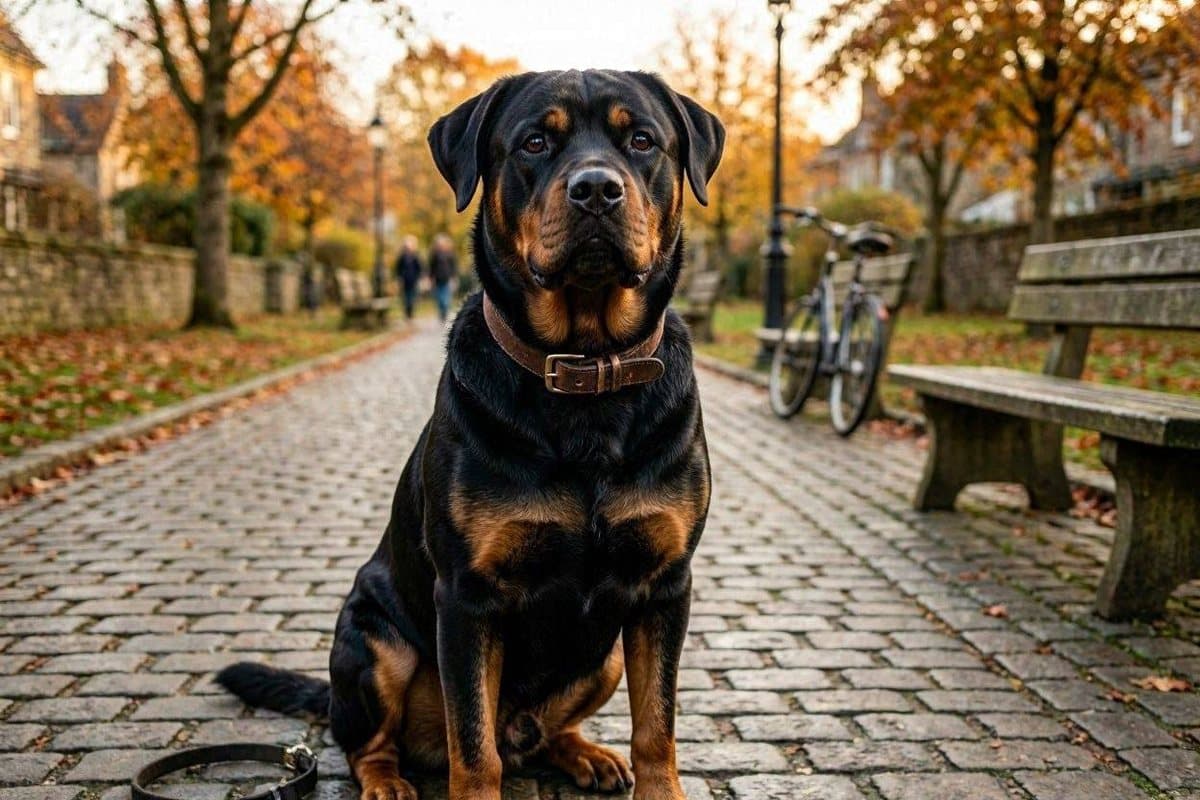
Rottweiler Breed Guide
Rottweiler temperament, training and socialization needs, exercise, and health considerations for this powerful working breed.
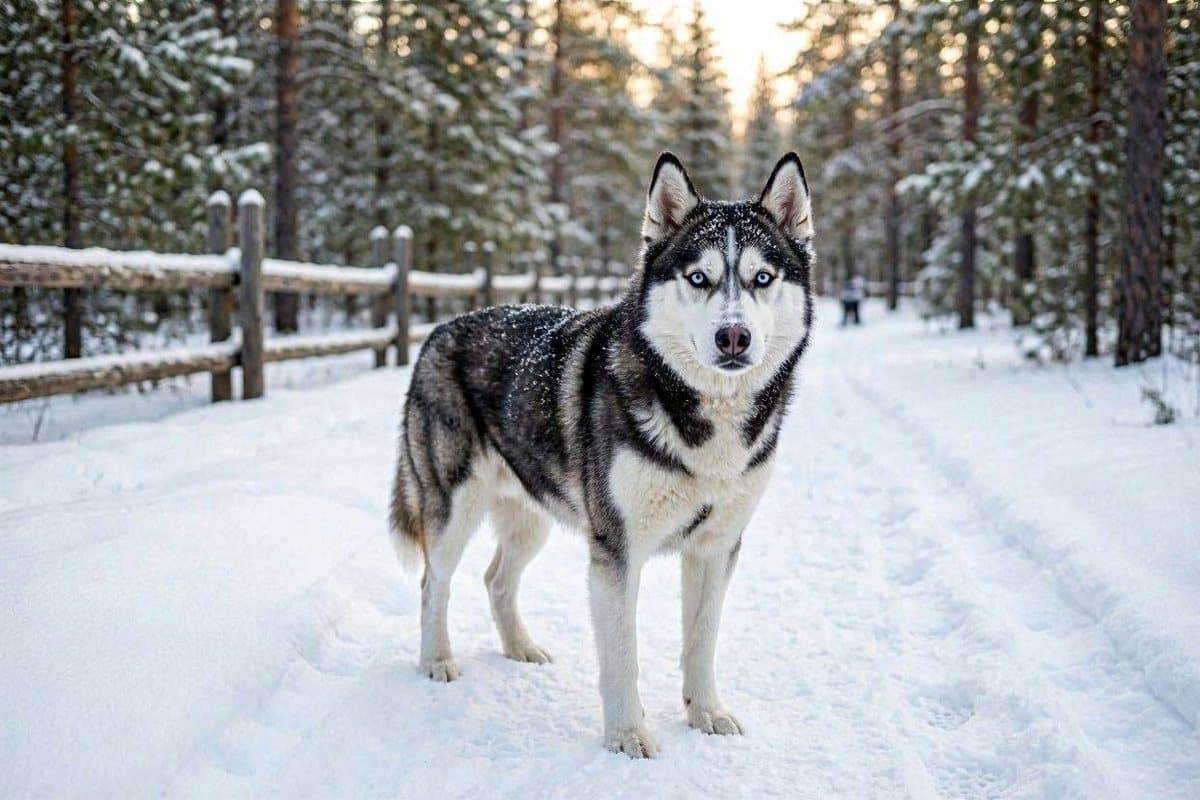
Siberian Husky Breed Guide
Siberian Husky temperament, extreme exercise needs, escape-artist reputation, shedding, and whether a Husky fits your lifestyle.
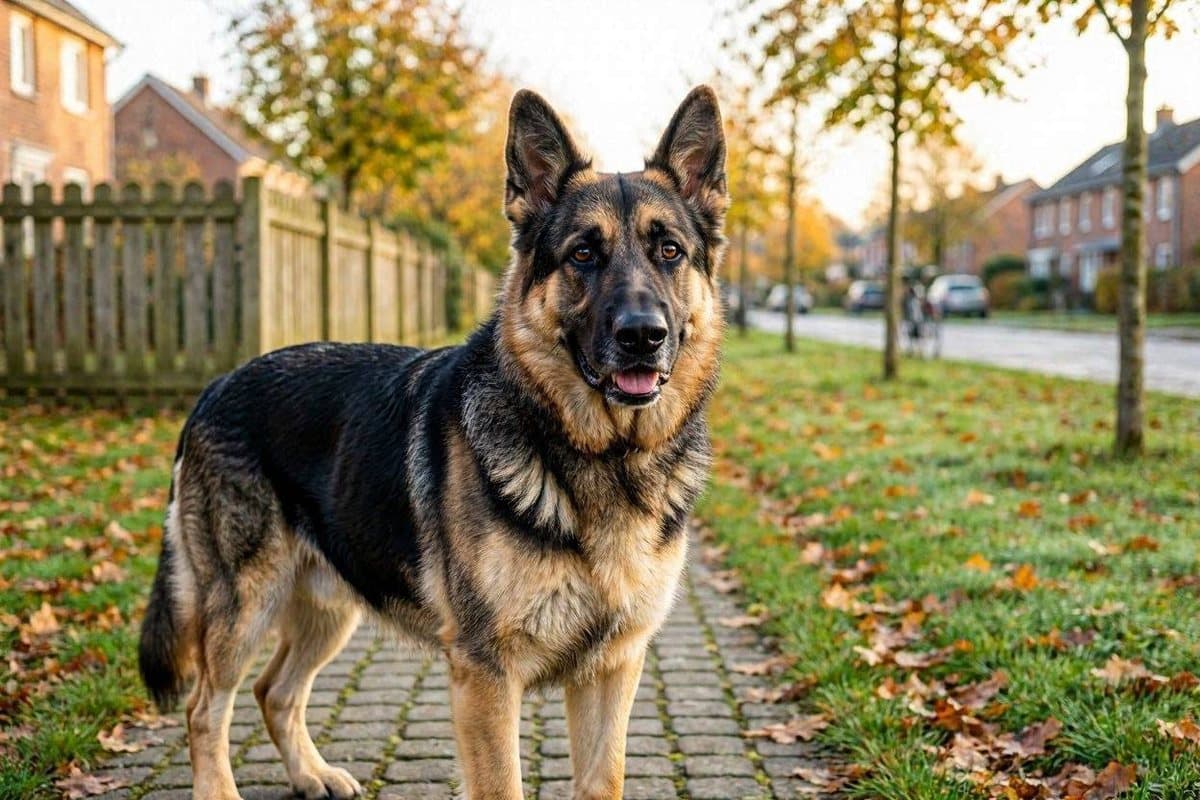
German Shepherd Breed Guide
German Shepherd temperament, training and exercise demands, grooming, and health considerations for this working breed.
Get one useful pet-care tip a week
No spam, unsubscribe anytime.