 Daily Pet Care Hub
German Shepherd Breed Guide
By Pet Mama · Published 2025-03-10 · Updated 2026-08-31 · 3 min read
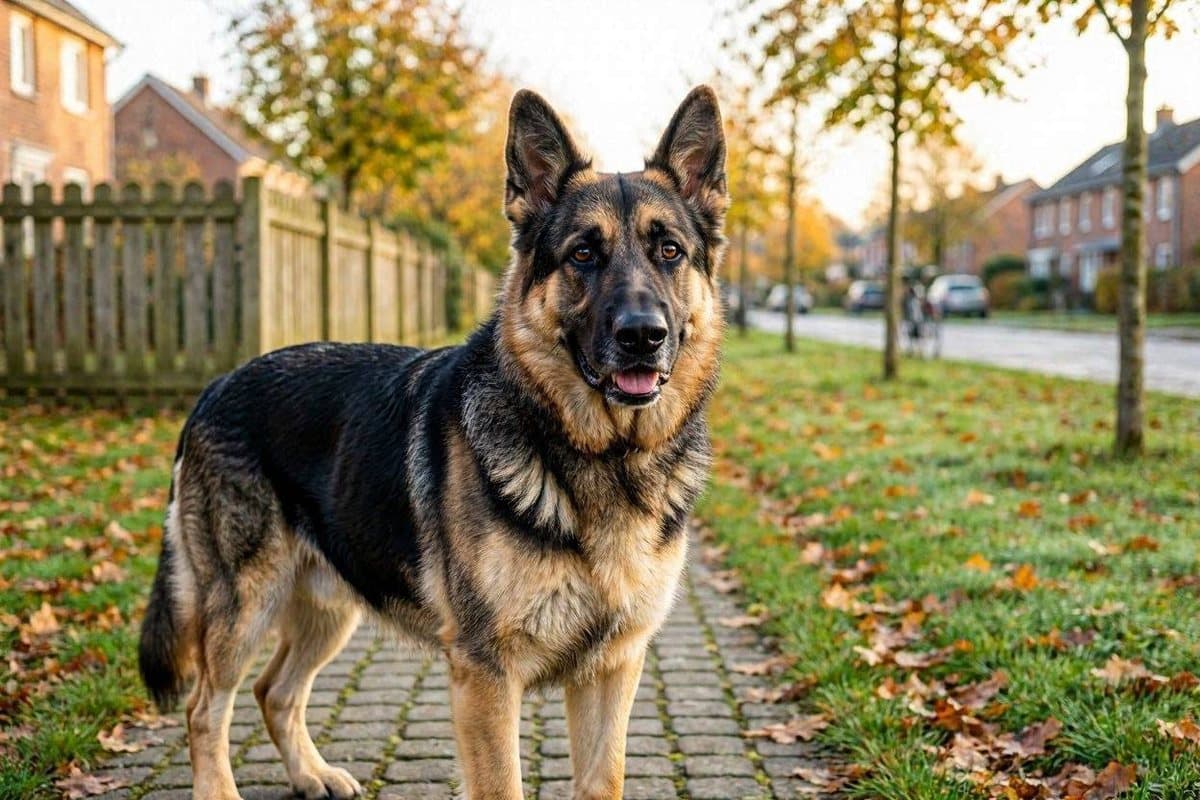
German Shepherd at a glance
- Species
- Dog
- Size
- Large (50–90 lbs)
- Energy
- ●●●●●
- Shedding
- ●●●●●
- Grooming needs
- ●●●●●
- Apartment suitability
- ●●●●●
The German Shepherd is one of the world's most capable dogs — herder, guardian, service dog, search-and-rescue partner. That capability is exactly why it's a demanding pet.
Origin & History
The German Shepherd Dog was formalized in 1899 by Captain Max von Stephanitz, a German cavalry officer who set out to standardize the country's various herding dogs into one versatile, intelligent working breed. As mechanized farming reduced the need for herding dogs, von Stephanitz successfully pushed the breed into police, military, and service work instead — a pivot that shaped everything about the modern GSD. Early film stars like Rin Tin Tin introduced the breed to American audiences in the 1920s, and it's remained one of the most popular breeds in the country ever since. Today German Shepherds work as police and military dogs, guide dogs, search-and-rescue partners, and service dogs, alongside their role as family pets. Few breeds have been asked to do so many different jobs successfully, which is a large part of why the GSD's working drive remains so strong generations later — it was never bred to be idle.
Temperament
Intelligent, intensely loyal, and naturally watchful. GSDs bond deeply with their family and are reserved with strangers — a trait that made them such effective guard and protection dogs. Early, extensive socialization (see our puppy socialization notes) is non-negotiable — it's what turns natural watchfulness into calm confidence rather than fear-based reactivity. GSDs also form unusually strong one-on-one bonds; many act as a genuine shadow to their primary person while remaining polite, if aloof, with everyone else in the household.
Exercise & Mental Needs
The highest tier: 90+ minutes daily plus real mental work — obedience, scent games, puzzle feeders, a sport like agility or tracking. This is a breed literally built for full workdays of herding; a bored GSD invents jobs of its own, like patrolling windows, barking at everything that moves, or dismantling sofas.
Training
Brilliant and biddable, they learn at speed — including bad habits, so consistency matters as much as skill. Structured positive-reinforcement training from puppyhood, group classes for socialization, and consistent household rules are essential. Few breeds respond as well to formal obedience work, part of why GSDs dominate police and service-dog programs worldwide. A puppy kindergarten class followed by an intermediate obedience course gives most owners the structure they need to channel this breed's drive productively rather than fighting it.
Grooming
"German shedder" is an earned nickname: the dense double coat sheds constantly and blows out heavily twice a year. Brush several times weekly, invest in a good vacuum, and skip shaving — it damages the coat's insulating structure without meaningfully reducing shedding.
Health Considerations
Hip and elbow dysplasia lead the list for this breed — insist on health-tested parents and ask to see hip/elbow certifications. Also watch for:
- Degenerative myelopathy — a progressive spinal cord disease GSDs are strongly predisposed to
- Bloat — feed measured meals, avoid heavy exercise right around eating
- Exocrine pancreatic insufficiency, more common in this breed than most
- Skin allergies and chronic digestive sensitivity in some lines
Keeping a GSD lean throughout life meaningfully protects the joints. Lifespan commonly runs 9–13 years. Given the breed's orthopedic and digestive risks, many owners find pet insurance worthwhile from puppyhood, before any condition can be classified as pre-existing.
Living With Kids & Other Pets
Well-socialized German Shepherds are typically excellent, protective family dogs — patient with their own children and naturally inclined to watch over them. They can live well with other dogs and cats when raised together or carefully introduced, though their size, drive, and territorial instincts mean introductions with unfamiliar animals deserve real supervision. Many GSDs form an especially close, watchful bond with the children in their own household, treating them as a flock to keep an eye on rather than just housemates.
Is a German Shepherd Right for You?
For active owners who want a devoted working partner and will invest daily time in exercise and training, few breeds give more. For busy households wanting a low-effort companion, almost any other breed is a better fit.
Frequently Asked Questions
Are German Shepherds good family dogs?
With proper socialization and exercise, excellent — deeply loyal and protective. They're a serious commitment, not a casual choice.
Are German Shepherds aggressive?
Well-bred, well-socialized GSDs are confident and aloof with strangers, not aggressive. Poor breeding and under-socialization are where problems come from.
Can a first-time owner handle a GSD?
A committed first-timer who invests in training classes can succeed, but the breed's power, drive, and sensitivity make an experienced home the easier path.
Related Guides

Rottweiler Breed Guide
Rottweiler temperament, training and socialization needs, exercise, and health considerations for this powerful working breed.
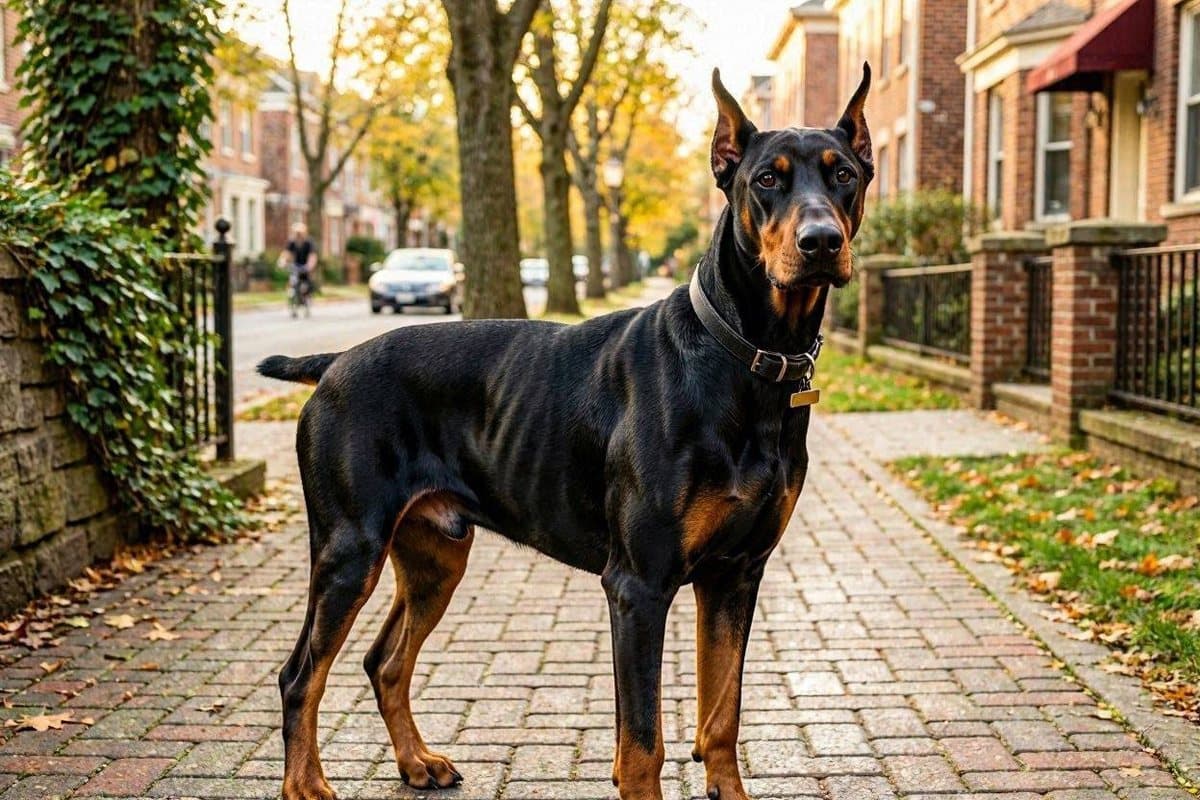
Doberman Pinscher Breed Guide
Doberman Pinscher temperament, exercise and training needs, and health considerations for this loyal, athletic guardian breed.
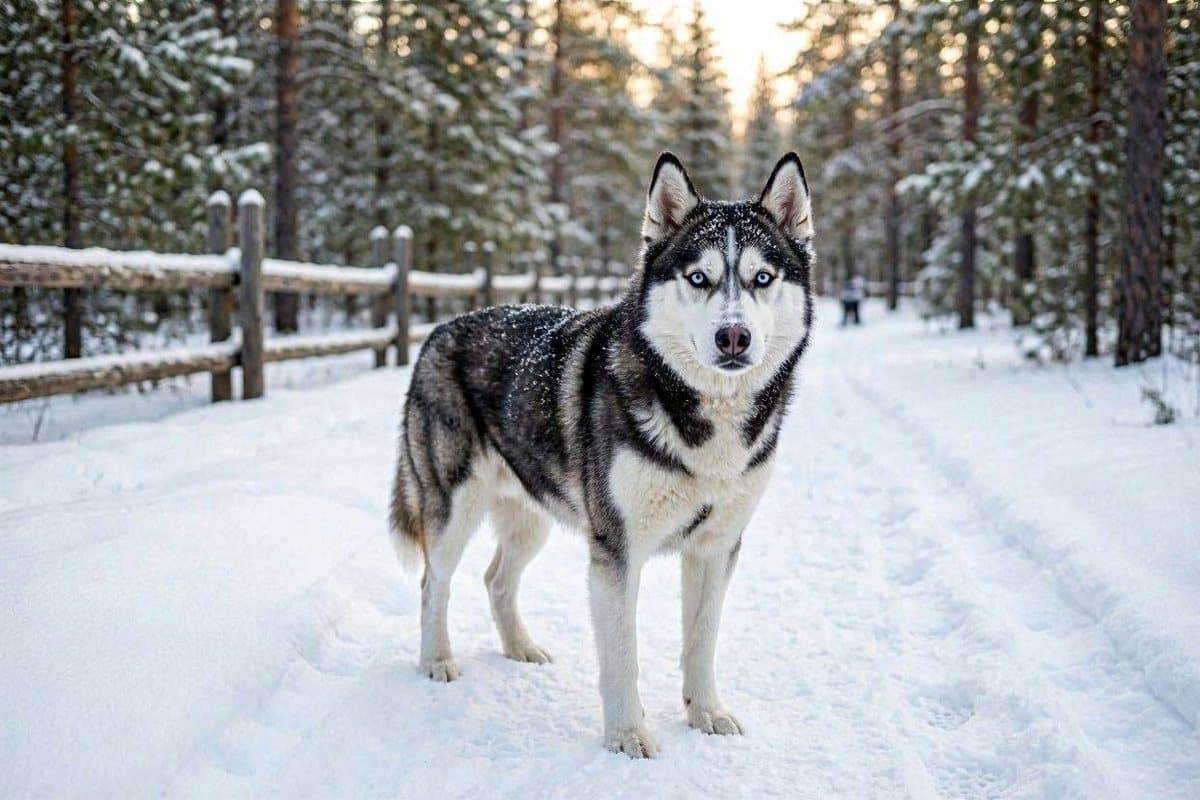
Siberian Husky Breed Guide
Siberian Husky temperament, extreme exercise needs, escape-artist reputation, shedding, and whether a Husky fits your lifestyle.
Get one useful pet-care tip a week
No spam, unsubscribe anytime.