 Daily Pet Care Hub
English Bulldog Breed Guide
By Pet Mama · Published 2025-09-19 · Updated 2026-08-31 · 3 min read
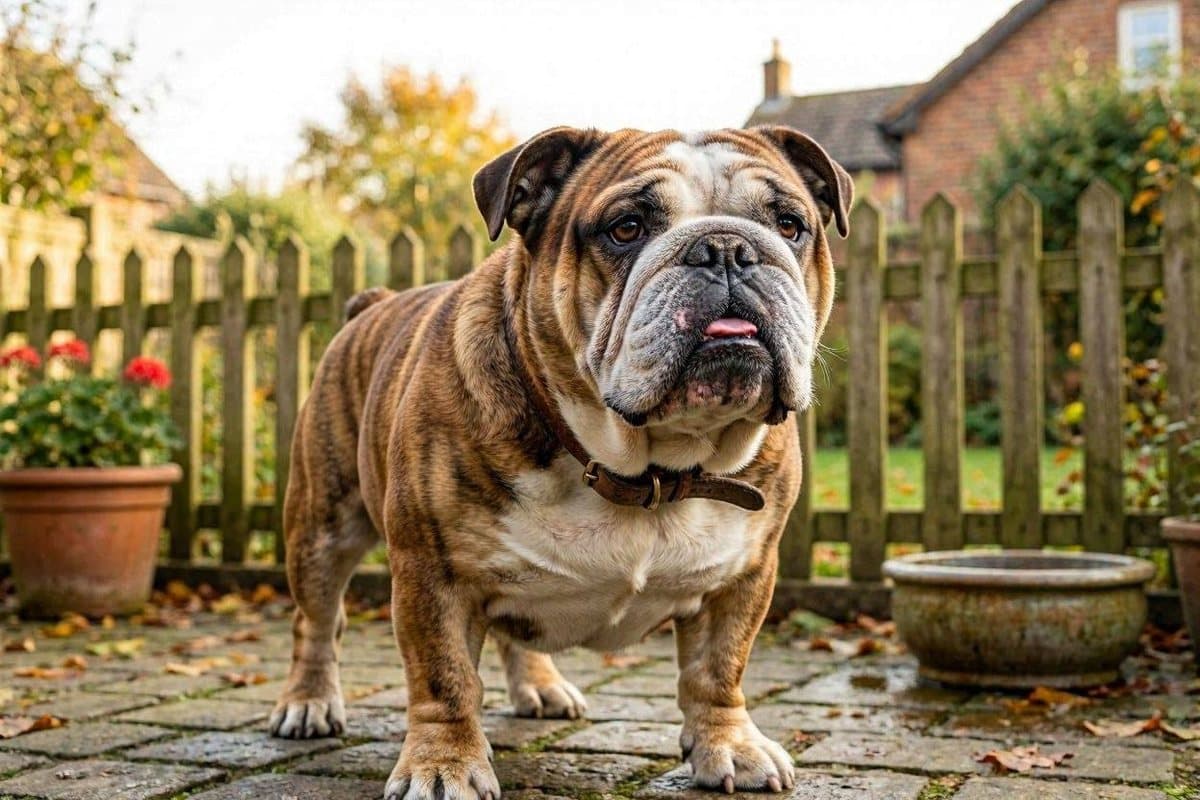
English Bulldog at a glance
- Species
- Dog
- Size
- Medium (40–55 lbs)
- Energy
- ●●●●●
- Shedding
- ●●●●●
- Grooming needs
- ●●●●●
- Apartment suitability
- ●●●●●
The English Bulldog is the gentlest of couch companions — sweet, patient, and comedic — wrapped in a body that demands the most honest health conversation on this site.
Origin & History
The English Bulldog's name comes from its original grim purpose: bull-baiting, a blood sport where dogs were bred to grip and pin a tethered bull by the nose. The low-slung, wide-jawed build that defines the breed today was functional then — a stable center of gravity and a bite that could lock on. When bull-baiting was outlawed in England in 1835, the breed faced extinction until fanciers deliberately bred for a gentler temperament, keeping the distinctive look while breeding out the aggression. The result, over generations, is the sweet, mellow companion dog known today — though the extreme physical traits that once served a violent sport now create most of the breed's health challenges. The Bulldog went on to become an unofficial symbol of Britain itself, later adopted as the mascot of countless sports teams and institutions for the same stubborn, unbothered attitude that makes it such an easygoing house pet today.
Temperament
Famously mellow and affectionate: great with children, tolerant of chaos, content with a soft spot near their people. Stubbornness is real but low-stakes — a Bulldog's rebellion is mostly refusing to move. They're not big barkers and rarely show aggression, which along with their calm energy makes them popular in households that want a dog without a dog's usual demands. Don't mistake the low energy for a lack of personality, though — Bulldogs are famously expressive, communicating displeasure and affection alike through dramatic sighs, grunts, and a full-body wiggle when truly delighted.
Exercise Needs
The lowest of any breed we profile: short walks in cool hours and light play. This isn't a bonus — it's a medical constraint. The brachycephalic (flat-faced) airway limits exertion, and heat is genuinely dangerous: treat anything above roughly 75°F as caution weather, and never exercise a Bulldog in midday warmth or humidity.
The Health Conversation
Buying or adopting a Bulldog means budgeting for the breed's structural realities, which stem directly from generations of breeding for the flat-faced, heavy-boned look:
- Brachycephalic airway syndrome — narrowed nostrils and an elongated soft palate restrict airflow; snoring is a symptom, not a quirk
- Skin fold dermatitis — the wrinkles need daily cleaning to prevent infection
- Hip dysplasia
- Cherry eye — prolapse of the third eyelid gland
- Difficult natural whelping — most Bulldog litters are delivered by C-section because puppy head size doesn't reliably fit the birth canal
Vet costs run well above average for this breed. Read our insurance breakdown before committing, and choose health-focused breeders or breed rescue over pet-store or backyard sources. Lifespan commonly runs 8–10 years, shorter than most medium breeds, largely because of these structural issues.
Grooming
Easy coat, demanding folds: weekly brushing plus daily wipe-and-dry of facial wrinkles and the tail pocket to prevent bacterial or yeast infections. Skipping fold care is one of the most common — and preventable — reasons Bulldogs end up at the vet.
Training Notes
Food-motivated and agreeable in short sessions. House training runs about average; leash manners come easily because sprinting was never on the agenda. Keep training sessions brief and low-impact — this isn't a breed built for extended physical drilling.
Living With Kids & Other Pets
Bulldogs are known for exceptional patience with children, tolerating the noise, hugging, and general chaos better than most breeds. They generally coexist well with other dogs and cats, especially when introduced calmly — their low energy and mellow nature rarely provokes conflict. Because they can't regulate their own body temperature well, keep an eye on Bulldogs during rowdy, high-energy play with bigger or younger dogs, and give them an easy way to opt out and rest when they've had enough.
Is a Bulldog Right for You?
For a calm household wanting a low-exercise, deeply affectionate companion — and prepared financially for the breed's medical profile — a Bulldog is a joy. Go in with open eyes.
Frequently Asked Questions
Why are English Bulldogs so expensive to insure?
The breed's flat face, skin folds, and joint structure generate high claim rates — breathing surgery, dermatitis, and orthopedic issues are common. Price insurance before buying.
How much exercise does a Bulldog need?
Two short, cool-weather walks daily plus gentle play. More is often unsafe — their airway limits exertion, especially in heat.
Related Guides

Standard Poodle Breed Guide
Standard Poodle temperament, exercise and grooming needs, and health considerations for this intelligent, versatile breed.

Havanese Breed Guide
Havanese temperament, grooming needs, trainability, and why Cuba's national dog excels in apartments and with first-time owners.

Boxer Breed Guide
Boxer temperament, exercise needs, heat sensitivity, and health considerations for this playful, people-loving breed.
Get one useful pet-care tip a week
No spam, unsubscribe anytime.