 Daily Pet Care Hub
Golden Retriever Breed Guide
By Pet Mama · Published 2025-03-19 · Updated 2026-08-31 · 3 min read
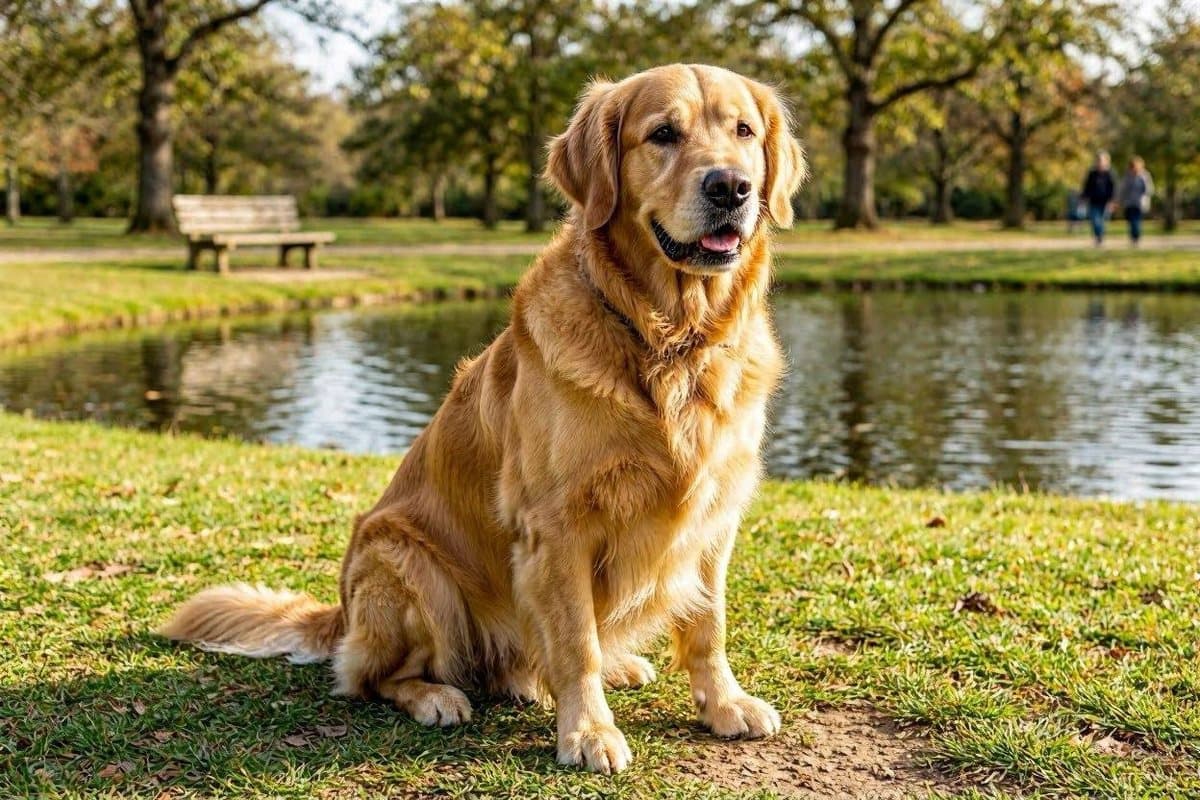
Golden Retriever at a glance
- Species
- Dog
- Size
- Large (55–75 lbs)
- Energy
- ●●●●●
- Shedding
- ●●●●●
- Grooming needs
- ●●●●●
- Apartment suitability
- ●●●●●
The Golden Retriever has spent decades near the top of every popularity list for one simple reason: few breeds combine gentleness, trainability, and joy so reliably.
Origin & History
The Golden Retriever was developed in the Scottish Highlands in the mid-1800s by Dudley Marjoribanks, Lord Tweedmouth, who wanted a gundog skilled at retrieving both waterfowl and upland game. He crossed a yellow-coated retriever named Nous with a Tweed Water Spaniel, then added Irish Setter, Bloodhound, and more Tweed Water Spaniel lines over subsequent generations. The result was a dog with a soft mouth for retrieving birds undamaged, a love of water, and a biddable temperament suited to working closely with hunters. The breed reached the U.S. in the early 1900s and was recognized by the AKC in 1925; it's remained one of the country's most popular breeds ever since. That working history explains a lot about the modern pet: the drive to carry things in their mouth, the love of water, and the easy cooperation with people are all direct carryovers from a dog bred to work hand-in-hand with a hunter all day.
Temperament
Famously friendly and patient — with children, strangers, dogs, and cats. Goldens are emotionally attuned "velcro" dogs that want to be part of everything, which makes them superb family companions and fairly mediocre solitary pets. Their eagerness to please and general lack of guarding instinct is part of the trade-off: don't expect much of a watchdog. Goldens also mature slower emotionally than many breeds, often described as puppies in a big dog's body well into their second or third year.
Exercise Needs
High: 60+ minutes daily of walks, fetch, and ideally swimming — most Goldens are enthusiastic water lovers, a direct legacy of their retrieving heritage. They stay puppyish for two to three years; channel that energy into structured activity or it channels itself into your furniture.
Training
Bred to work closely with people, Goldens are one of the easiest breeds to train with positive reinforcement. They excel as therapy and service dogs for a reason — steady temperament, high food motivation, and genuine eagerness to cooperate. Teach "drop it" early; a Golden's mouth always has inventory, usually something they shouldn't have.
Grooming
Thick double coat that sheds heavily year-round, with two seasonal blowouts. Brush 2–3 times weekly (daily during shedding season), check the floppy ears regularly — the combination of ear shape and love of water makes this breed prone to ear infections — and keep up with routine nail care.
Health Considerations
The breed's most serious concern is elevated cancer risk, particularly hemangiosarcoma and lymphoma, which shows up more often in Goldens than in most breeds. Also on the list:
- Hip and elbow dysplasia
- Subvalvular aortic stenosis and other heart conditions
- Progressive retinal atrophy and other eye conditions
- Skin allergies and chronic ear infections
Buy from health-tested lines, keep them lean — it measurably extends healthy years — and prioritize regular vet checkups. Pet insurance purchased early is a sound move given the cancer risk. Lifespan typically runs 10–12 years. Choosing a breeder who screens for hip, elbow, heart, and eye health — and who can speak to cancer rates in their lines — makes a real difference in the odds over a Golden's lifetime.
Living With Kids & Other Pets
Goldens are widely considered one of the best family breeds for households with children, thanks to their patience, gentleness, and tolerance for the chaos kids bring. They typically get along well with other dogs, cats, and even smaller pets, especially with early socialization — low aggression and high sociability are hallmarks of the breed.
Is a Golden Right for You?
If you want a devoted, gentle, trainable family dog and can supply exercise, company, and a tolerance for fur, there's a reason it's the default answer. Skip it if you're away long hours or want a low-maintenance coat — this is a breed that genuinely struggles without company and daily exercise.
Frequently Asked Questions
Are Golden Retrievers good with kids?
Among the best — patient, gentle, and tolerant. Supervise as with any dog, especially bouncy adolescents around toddlers.
How much do Golden Retrievers shed?
A lot, year-round, with two heavy seasonal blowouts. Daily brushing during shedding season is the price of admission.
Are Goldens good apartment dogs?
Workable with serious daily exercise, but they thrive with more space. Their friendliness helps; their size and coat are the challenge.
Related Guides

Standard Poodle Breed Guide
Standard Poodle temperament, exercise and grooming needs, and health considerations for this intelligent, versatile breed.

Boxer Breed Guide
Boxer temperament, exercise needs, heat sensitivity, and health considerations for this playful, people-loving breed.

Labrador Retriever Breed Guide
Labrador Retriever temperament, exercise needs, grooming, health considerations, and whether a Lab fits your lifestyle.
Get one useful pet-care tip a week
No spam, unsubscribe anytime.